
Taken literally, the word chanson translates as ‘song,’ meaning this list could feasibly go on forever. However, in the context of French popular music, chanson is a deep-rooted tradition in which lyricism, storytelling, and the phrasing and persona of the performer take centre stage ahead of any specific genre tropes or signifiers.
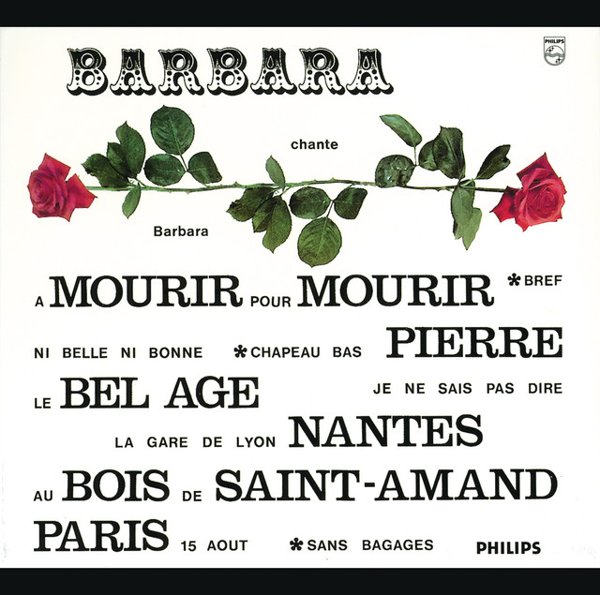
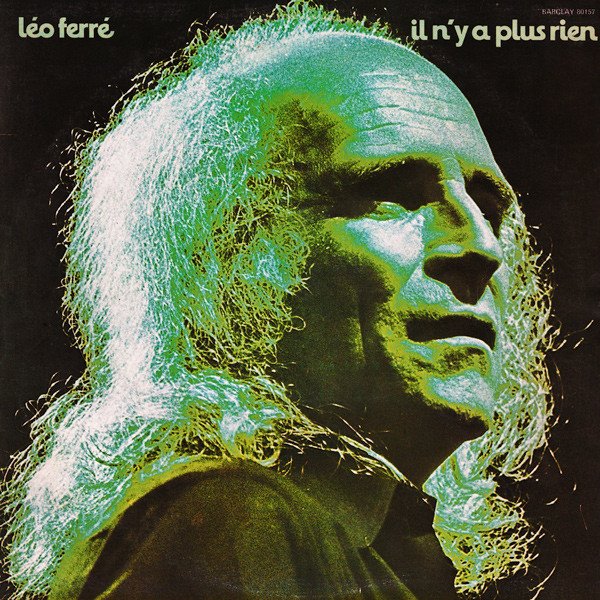
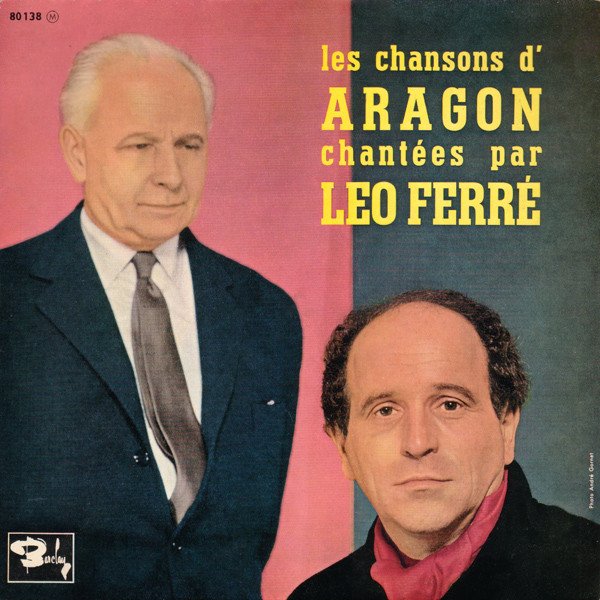
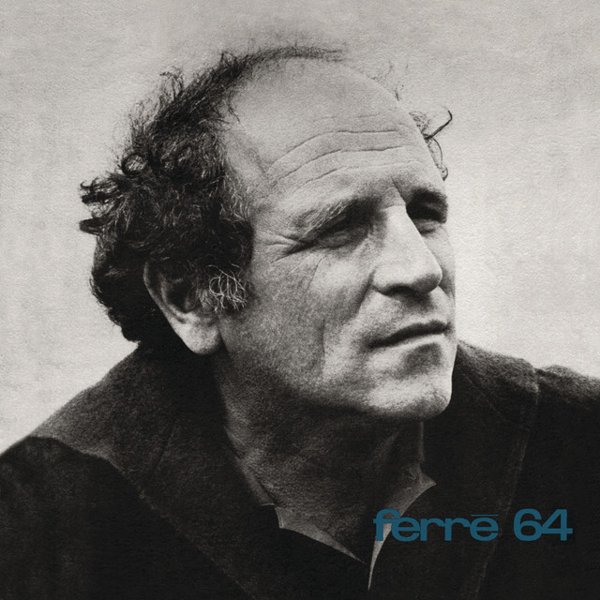
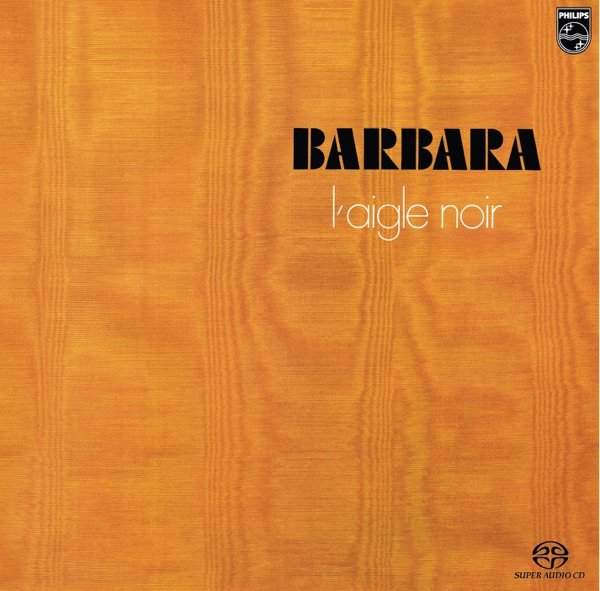
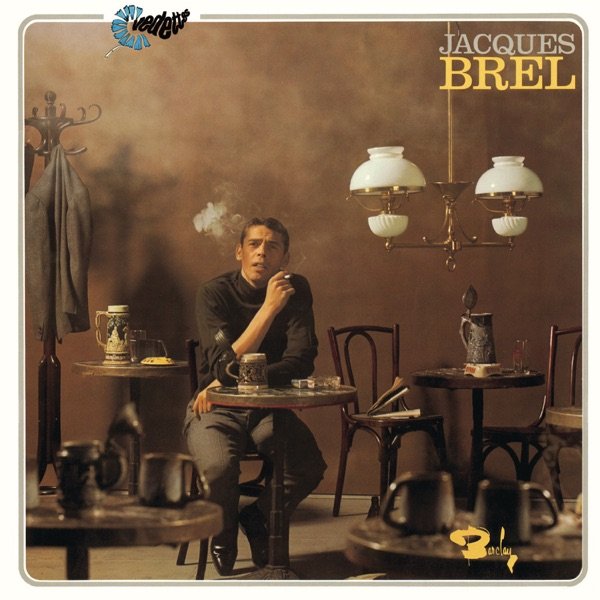
Its modern roots lie in the cabaret clubs of Montmartre and Pigalle in the 1930s and 40s, and the chanson réaliste made famous by Édith Piaf. Then, into the smoky cafés and jazz basements of Paris’ Left Bank in the 50s, where the likes of Georges Brassens, Léo Ferré, Barbara, and Jacques Brel performed and wrote songs whose poetry, wit and subversiveness set it in clear contrast to the more commercial showiness of popular ‘variété’.
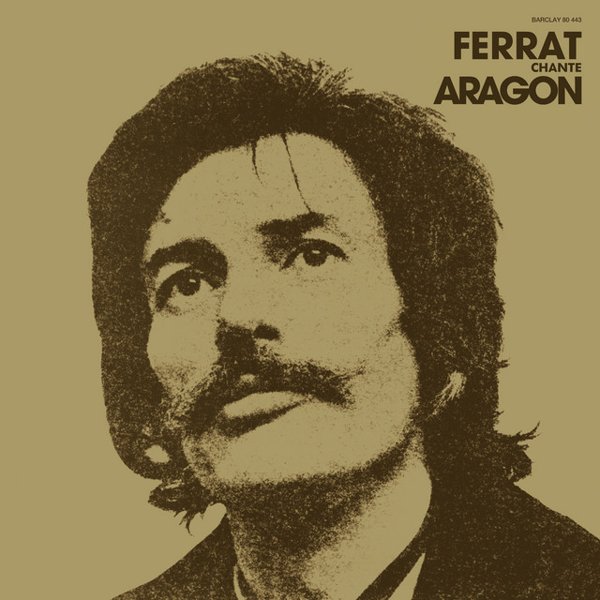
Mingling with writers, actors, political thinkers and philosophers, and drawing from the works of poets such as Rimbaud, Aragon and Baudelaire, the music of Brel, Brassens, and their milieu had all the seriousness and esteem of high art, yet chanson has always had a more complicated and symbiotic relationship with the mainstream.
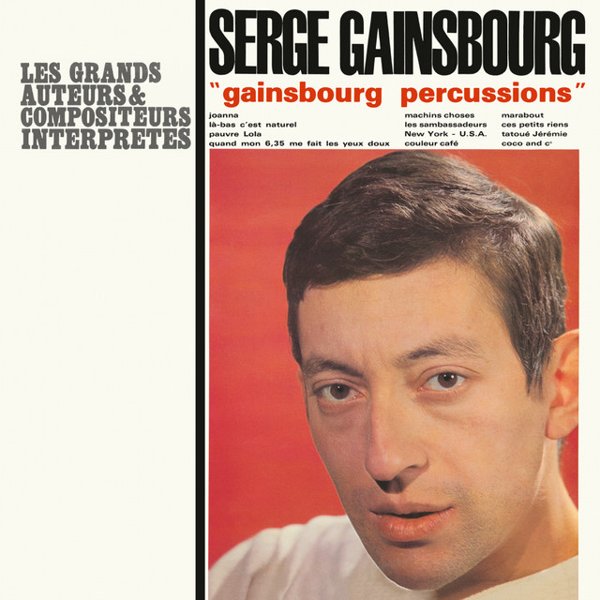
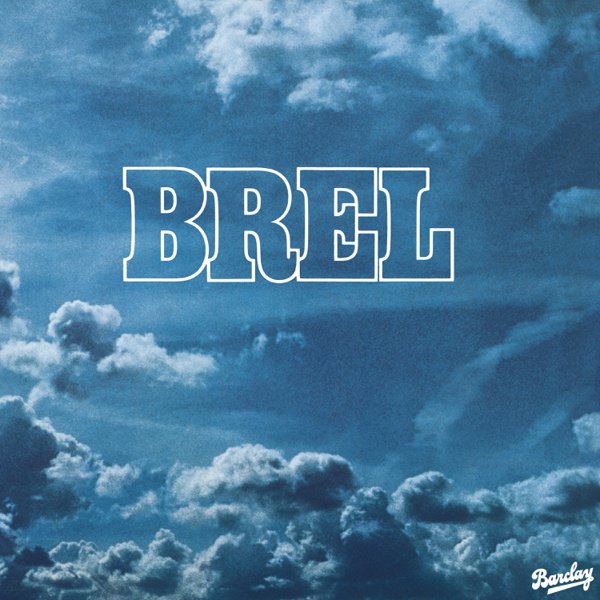
A lyricist and singer with a cinematic sense of drama, Brel fully embraced the theatricality of cabaret (in the intensity of his performances you can practically hear the spit hitting the microphone), while Serge Gainsbourg was the writer of some of the biggest yé-yé hits of the era (albeit hits which frequently upset the pop charts with his customary provocations).
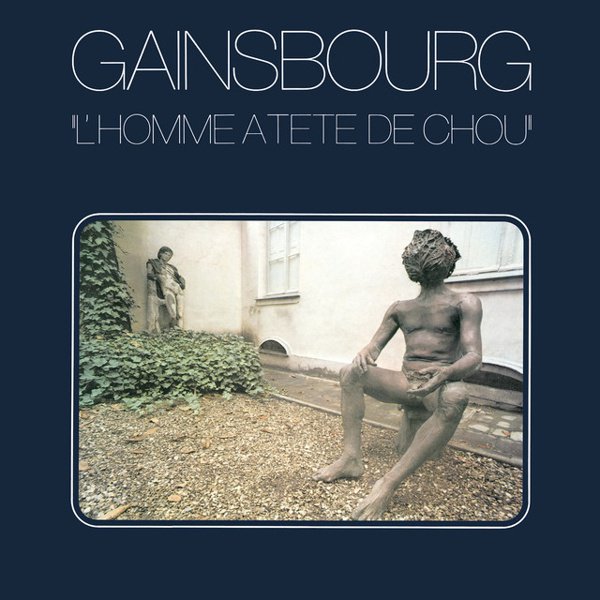
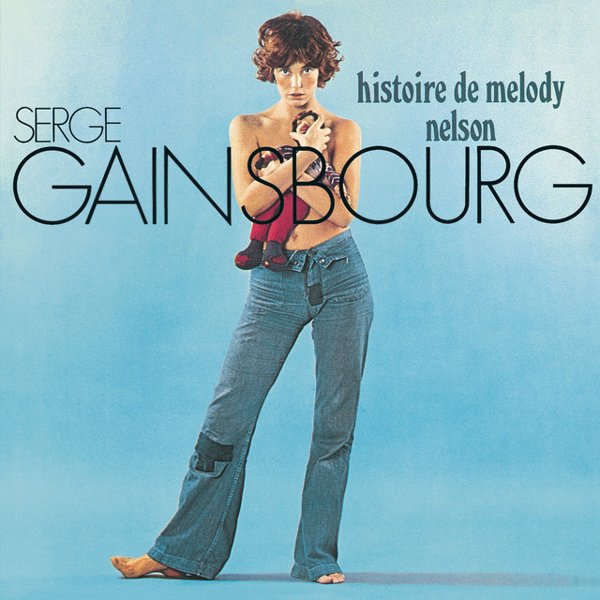
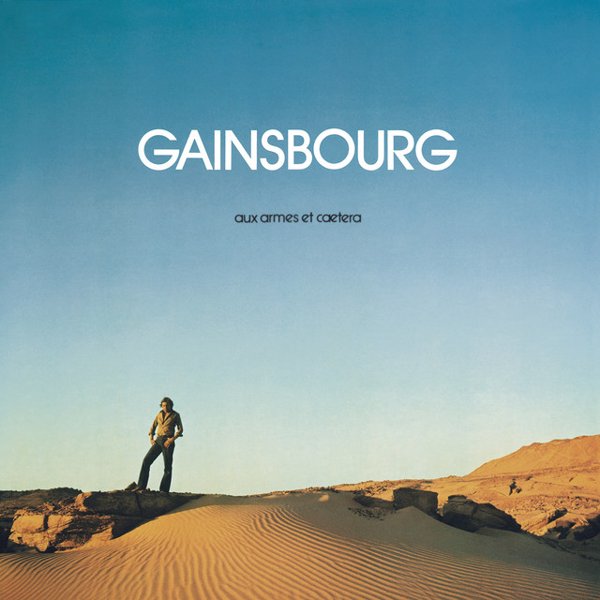
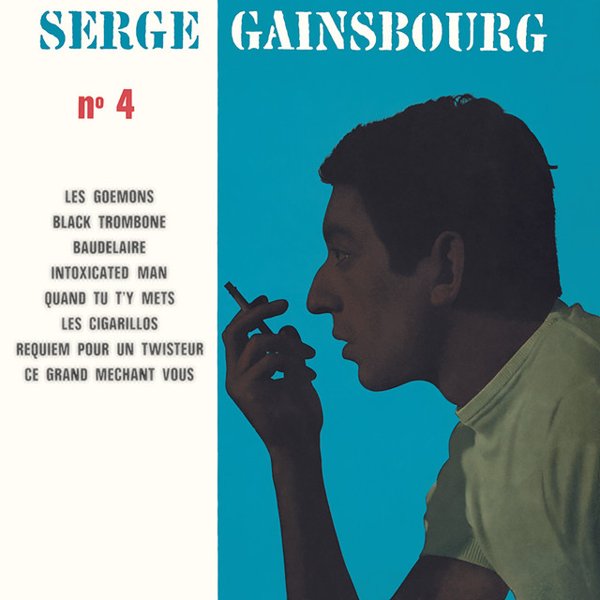
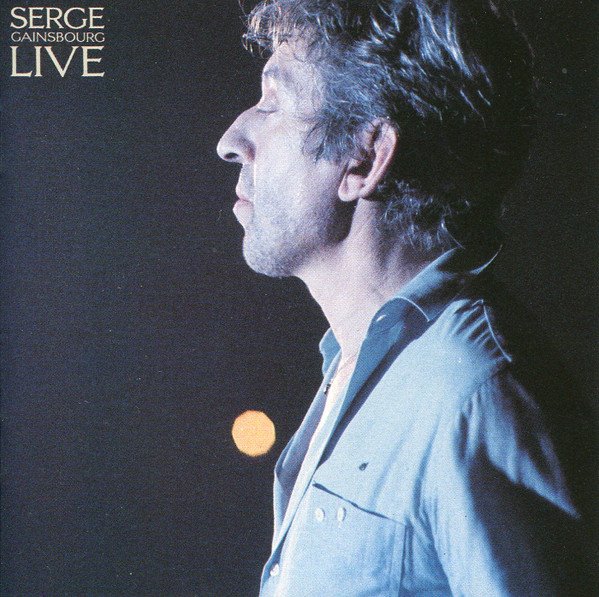
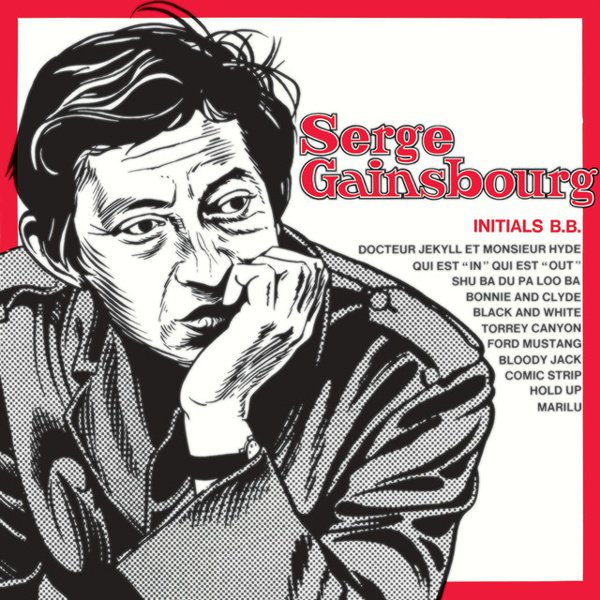
Arguably the towering figure of French music in the second half of the 20th century, Gainsbourg is perhaps best emblematic of how chanson developed, adapted and translated itself through changing tastes and political upheavals, and found itself at home within a myriad of styles. You might be listening to the jazzy swish and smart songsmithery of 1962’s No.4, his 1971 conceptual masterpiece Histoire de Melody Nelson, or the dubby skank of 1979’s Sly and Robbie-assisted Aux Armes et Cætera, but whatever the setting or genre of music playing behind him, the thing you’re drawn to is Serge: his wordplay, character and unmistakable purr.
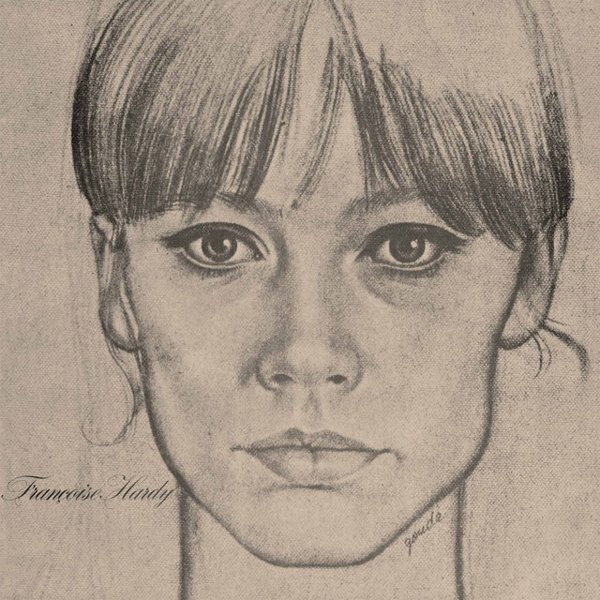
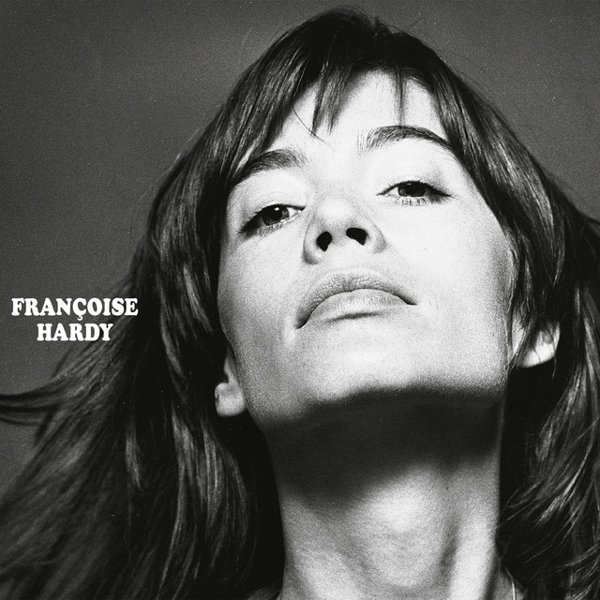
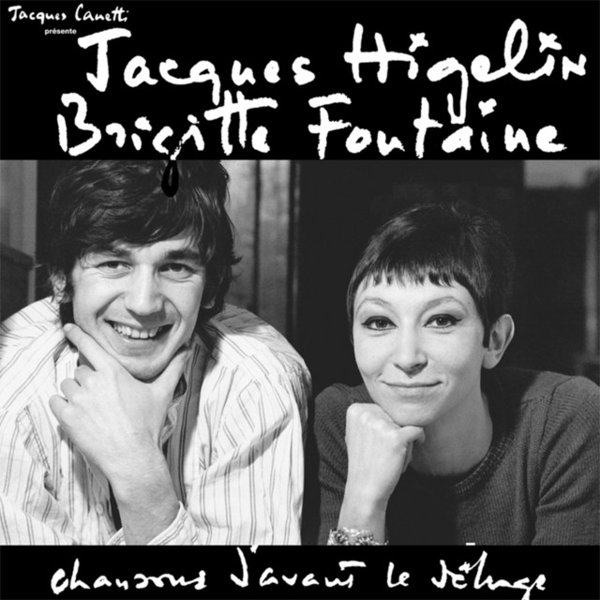
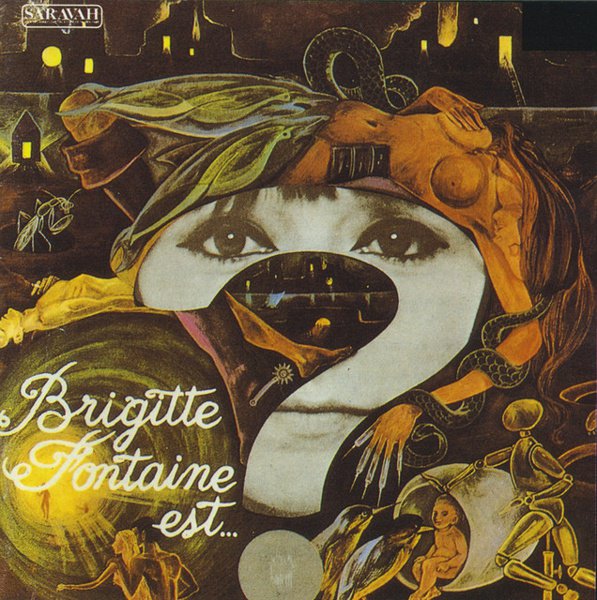
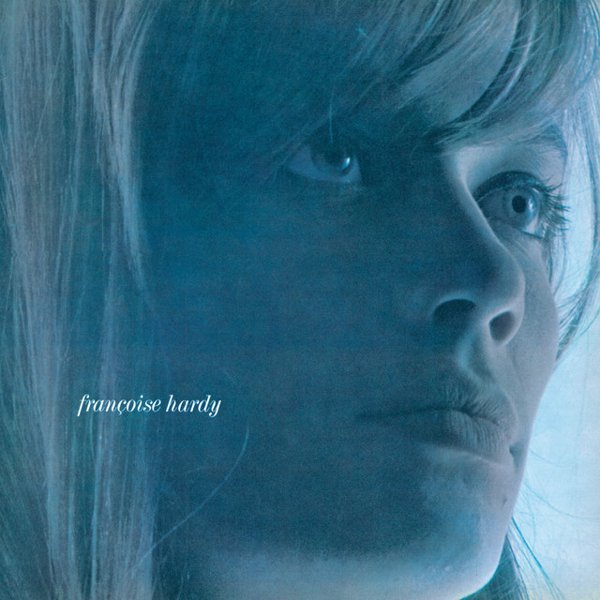
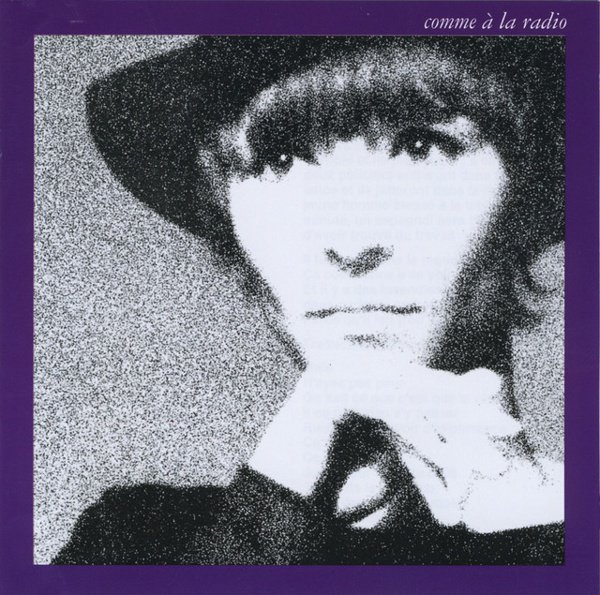
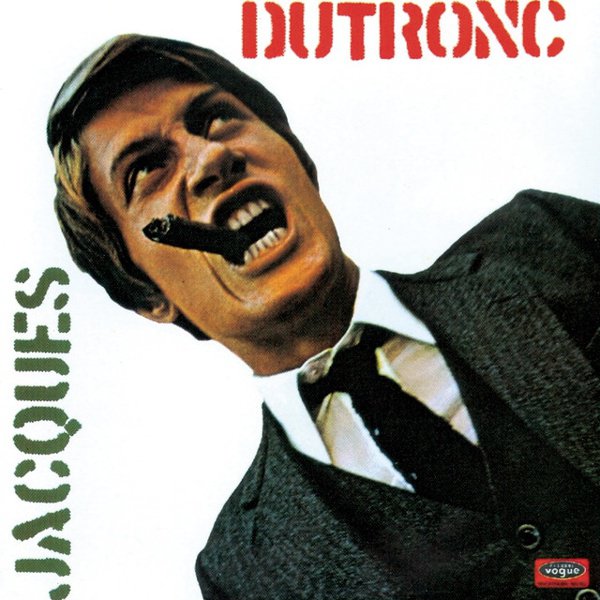
As such, chanson can embrace the introspective melancholy of Françoise Hardy, the sardonic 60s mod-rock of Jacques Dutronc, or Brigitte Fontaine’s experimental forays into the avant-garde in the 70s. It also means chanson continues to grow within more contemporary settings, with artists such as Alain Bashung, Benjamin Biolay, and Camille carrying its torch (songs) into the 80s, 90s, 2000s, and beyond.
The words and sophistication of the lyrics are key characteristics of chanson, then, yet even if your understanding of French is limited to “bonjour” and “pain au chocolat”, you can’t fail to appreciate the richness and depth of this music.