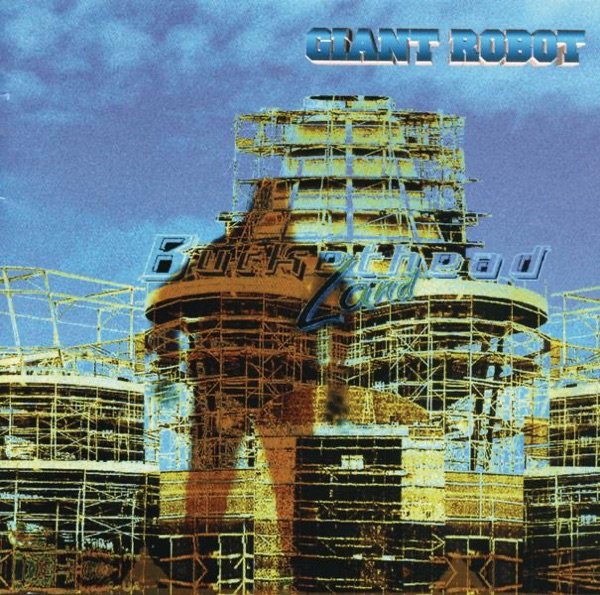
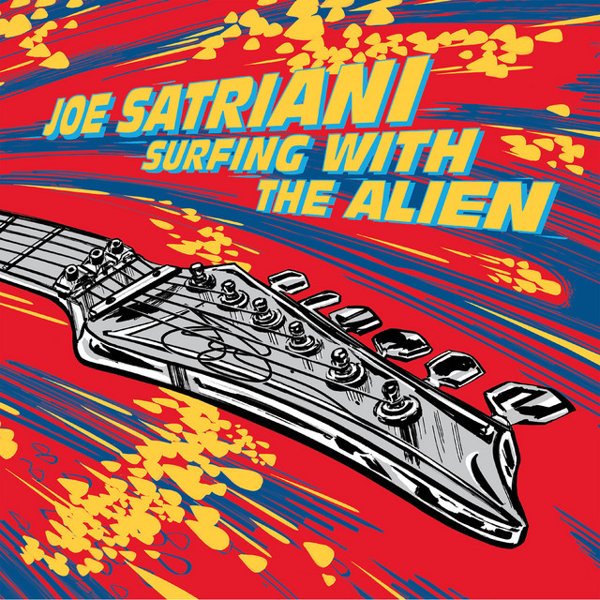
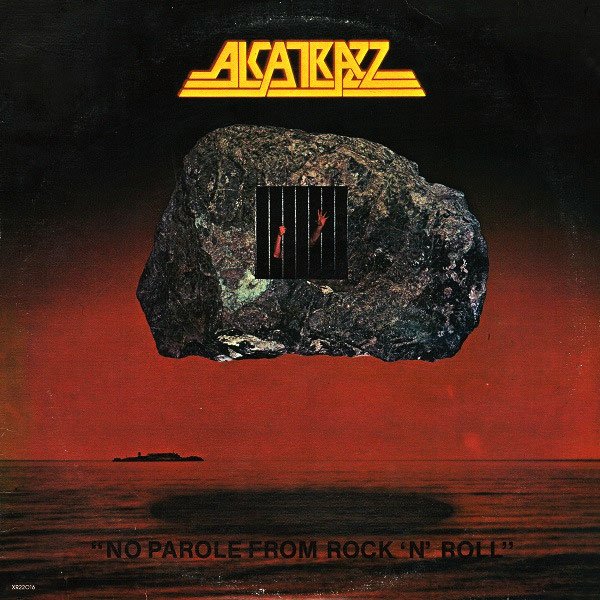
Eddie Van Halen is often seen as one of the most important electric guitar voices of the latter half of the 20th century. His high-speed finger-tapping and dive-bombs, leaping out of the band’s crunching, plodding riff-storms like a salmon flipping out of a river, sounded like no one else, and inspired an entire generation of players who in turn transformed metal in the early 1980s. Some of those guitarists were members of regular-degular metal bands, writing catchy songs aimed at hard rock radio and limiting themselves to flashy but short solos. The hardest of the hardcore, though, asked themselves, “What if the whole album could be ‘Eruption’?” The result was a flood of albums, often almost entirely instrumental, by poofy-haired axe-slingers whose music, frequently referred to as “neoclassical metal” but better known as shred, sometimes felt like it should have been played (and possibly listened to) by candlelight, while wearing a powdered wig, a silk shirt and a brocade vest.
Shred guitar predates Van Halen, if only by a few years. Ritchie Blackmore of Deep Purple was a key early shredder, adopting classical technique and licks to bluesy hard rock on albums like In Rock and Burn; when he left to form his own band, Rainbow, his solos got even longer and more florid. Scorpions guitarists Uli Jon Roth and Rudolf Schenker (as well as Rudolf’s younger brother Michael, who rose to fame with UFO before striking out on his own) were also key proto-shredders. Within the world of jazz-rock fusion, guitarists John McLaughlin and Al Di Meola (and to a lesser degree Jeff Beck) combined baroque shredding with post-Coltrane logorrhea. By the time the ’80s rolled around, this approach was becoming dominant in the relatively new genre of metal.
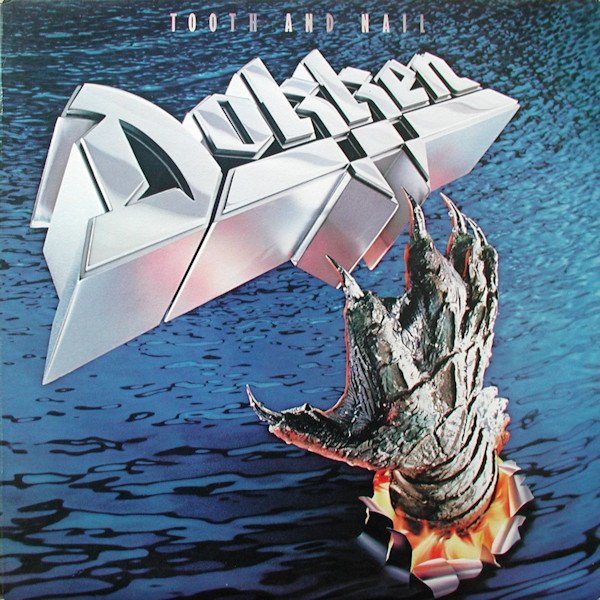
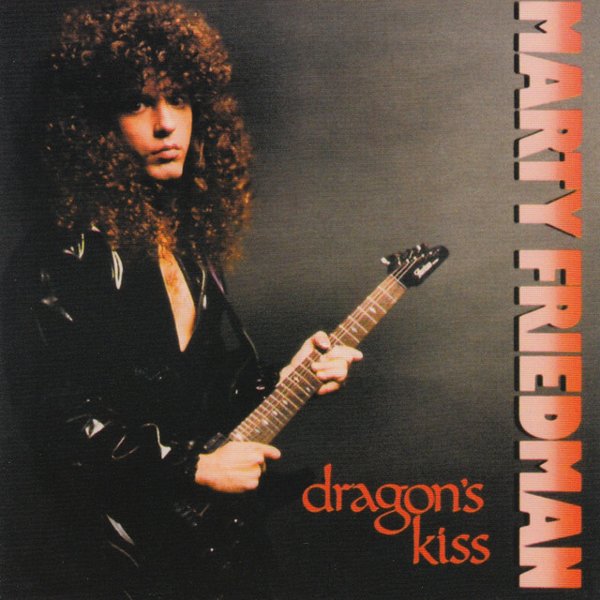
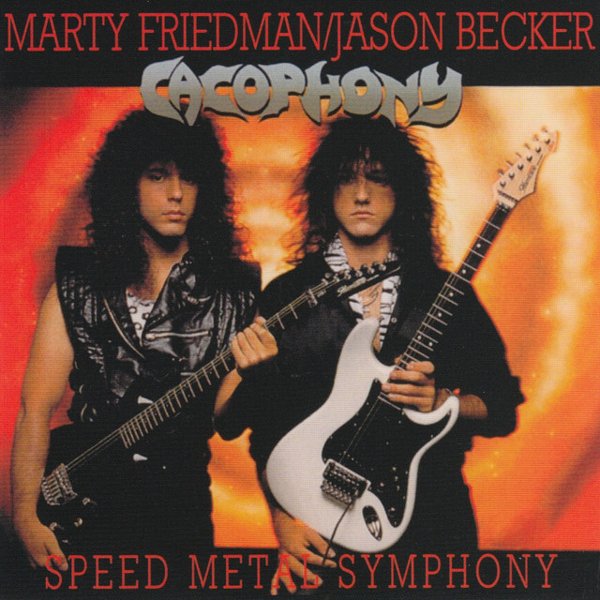
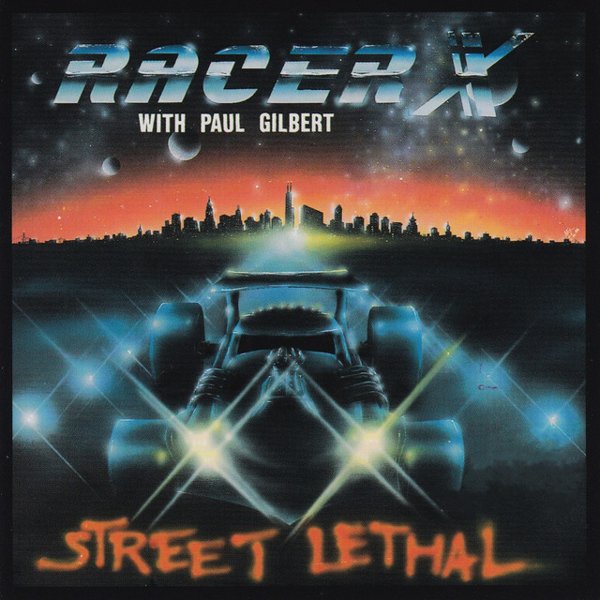
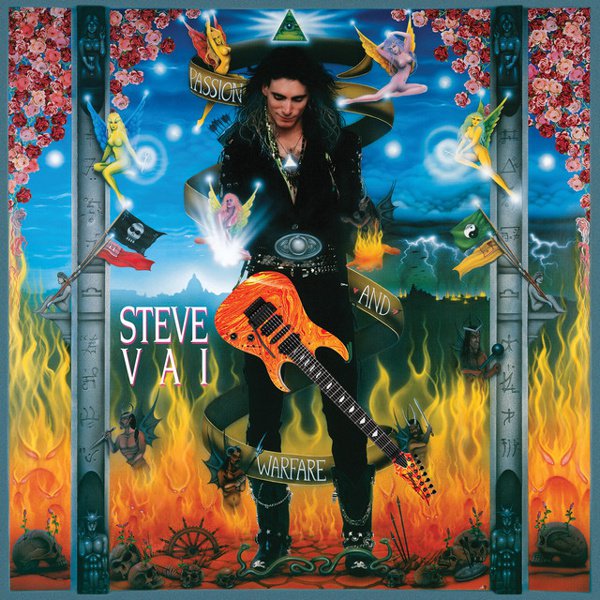
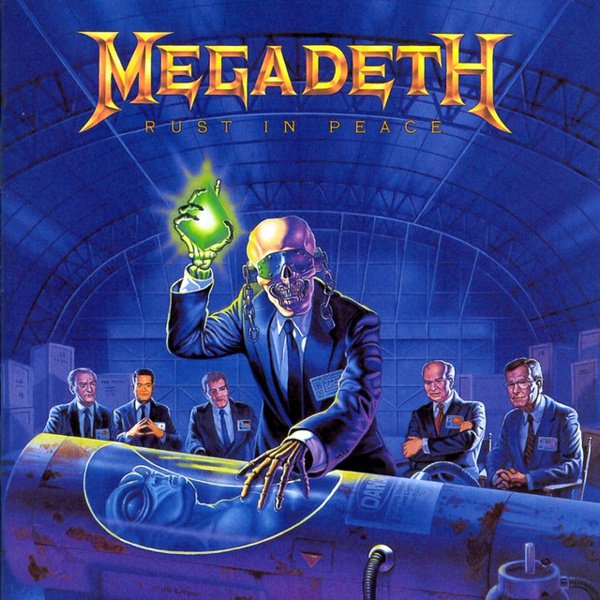
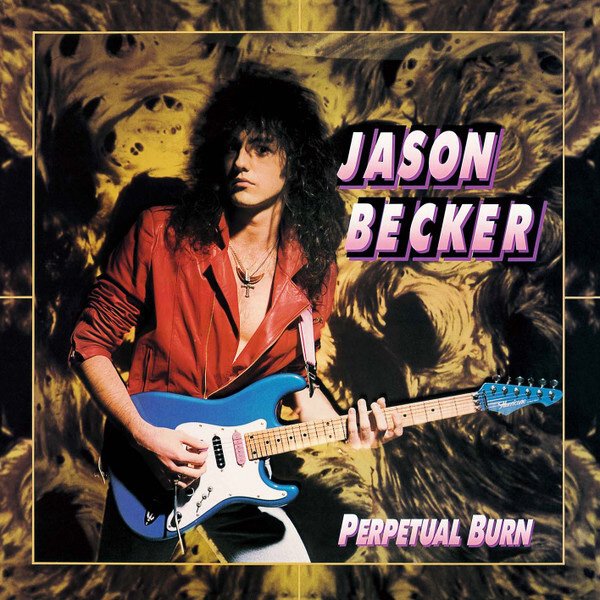
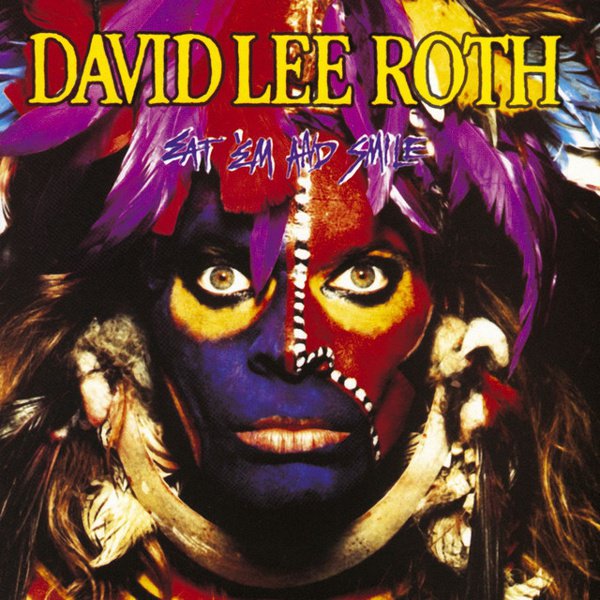
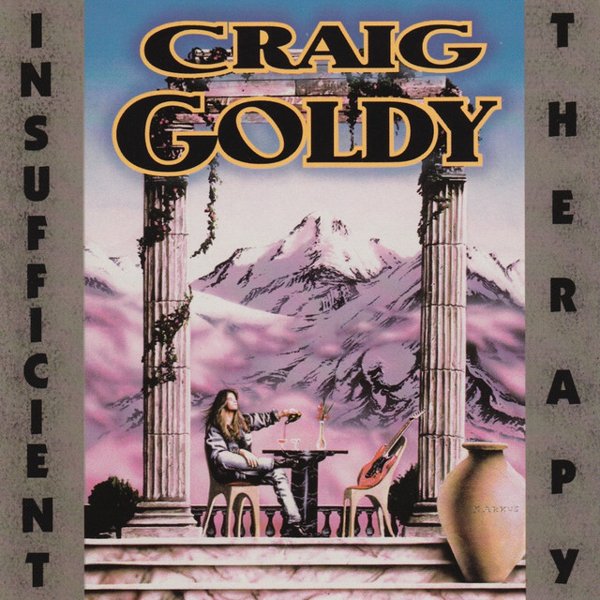
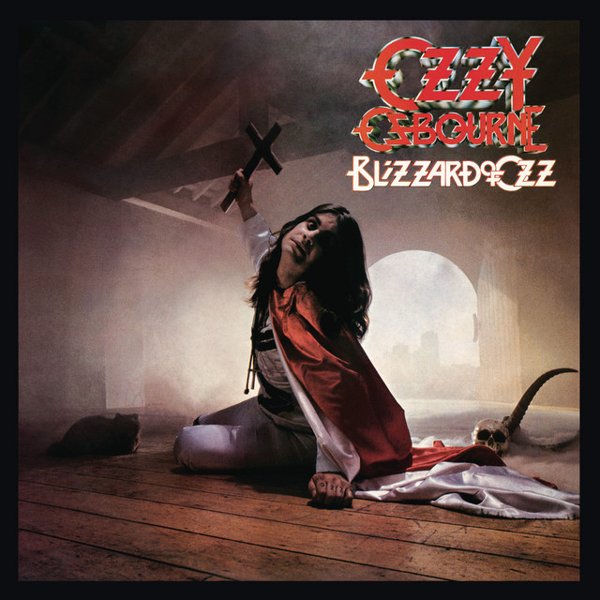
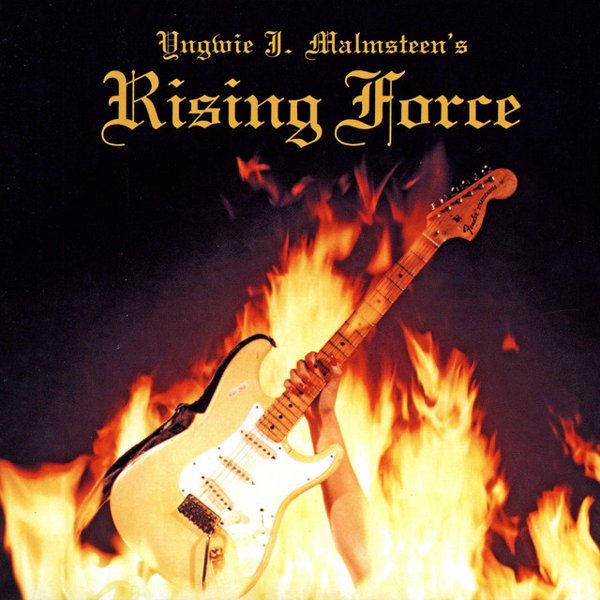
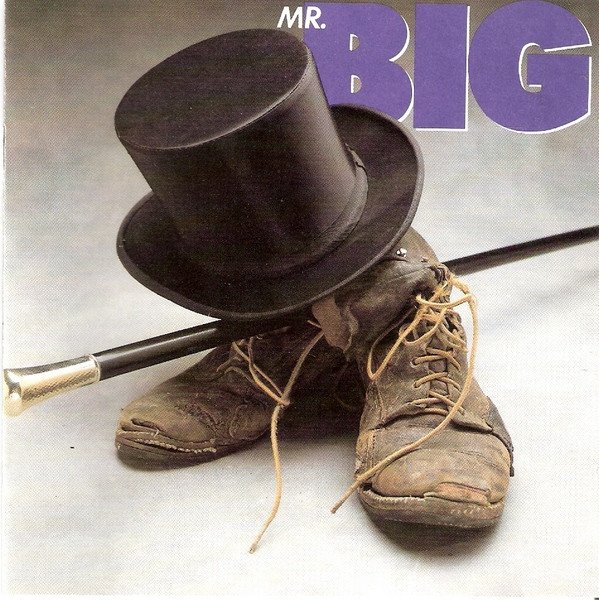
Ozzy Osbourne’s solo debut, 1981’s Blizzard Of Ozz, and its follow-up, 1982’s Diary Of A Madman, featured breathtakingly shredtastic guitar solos by Randy Rhoads. Like Eddie Van Halen before him, Rhoads inspired a kind of arms race in the metal scene, as players like Vivian Campbell and Craig Goldy (both of Ronnie James Dio’s eponymous band), Jake E. Lee (who joined Ozzy for 1984’s Bark At The Moon), and others strove to play ever faster, flashier solos. Upon leaving Van Halen, David Lee Roth recruited Steve Vai, who’d literally been credited with “stunt guitar” on several Frank Zappa albums, for his solo band. And then there was Yngwie Malmsteen, who played a white Fender Stratocaster like Ritchie Blackmore but seemed to take just as much inspiration from legendary classical violinist Niccolo Paganini. Chris Poland and Marty Friedman served as Dave Mustaine’s foils on Megadeth’s Peace Sells…But Who’s Buying? and Rust In Peace, respectively. And Dokken’s George Lynch and Mr. Big’s Paul Gilbert were two of the relatively few bands to combine serious shredding and pop hits during the hair metal era. But for pure shred, it was necessary to look to the independent California label Shrapnel Records and its catalog of instrumental records by groups like Racer X and Cacophony, as well as solo discs by Friedman, Goldy, Gilbert, and Jason Becker.
The era of shred guitar is long gone. There are still a few players doing it, but for the most part the metal world’s love of fretboard pyrotechnics has been snuffed out. The albums on the list below are a kind of whacked time capsule, honoring a set of musical values that are almost incomprehensible today.