

Going over the flurry of internet microgenres that began to proliferate in the mid-2000s, and it’s hard to separate the genuine from the ironic, and often what sound like outright made-up musical mini movements springing forth from a fertile petri dish of Tumblr sites, Soundcloud accounts and subreddits (shitgaze, anyone?).
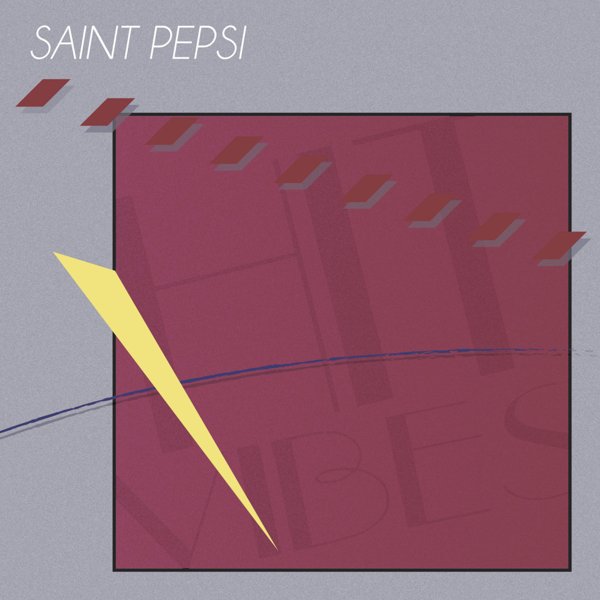
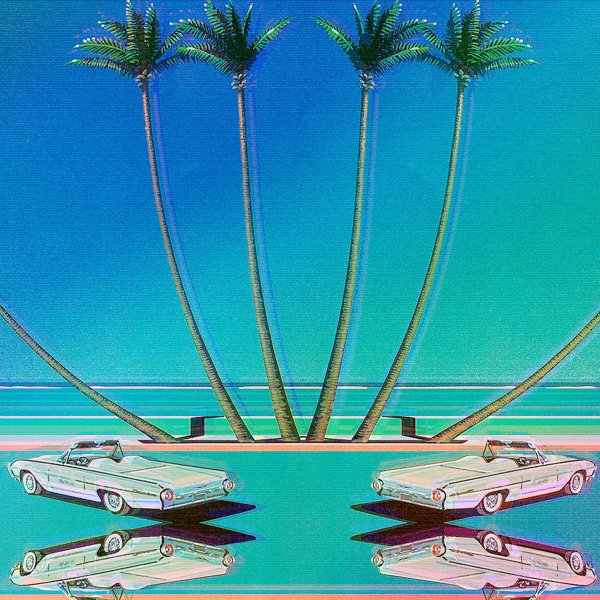
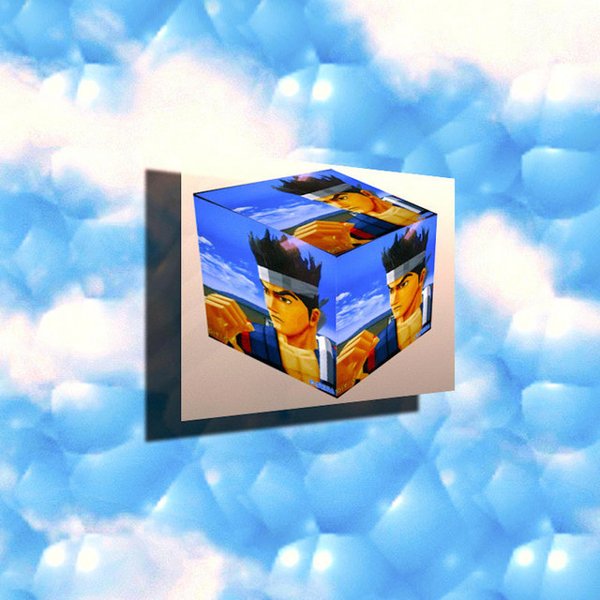
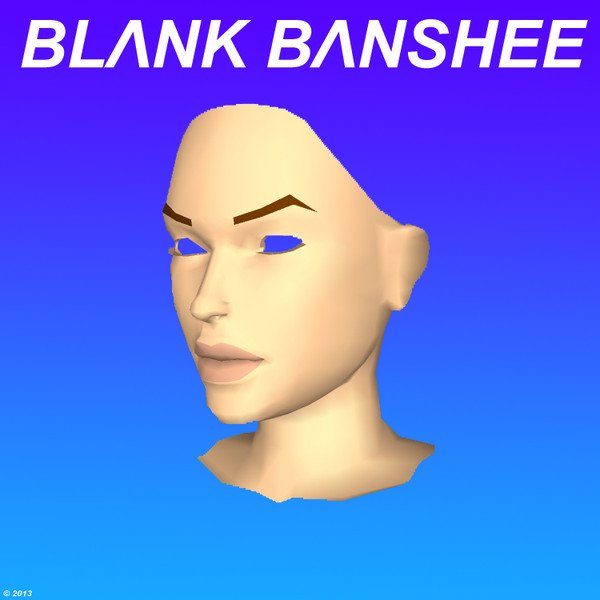
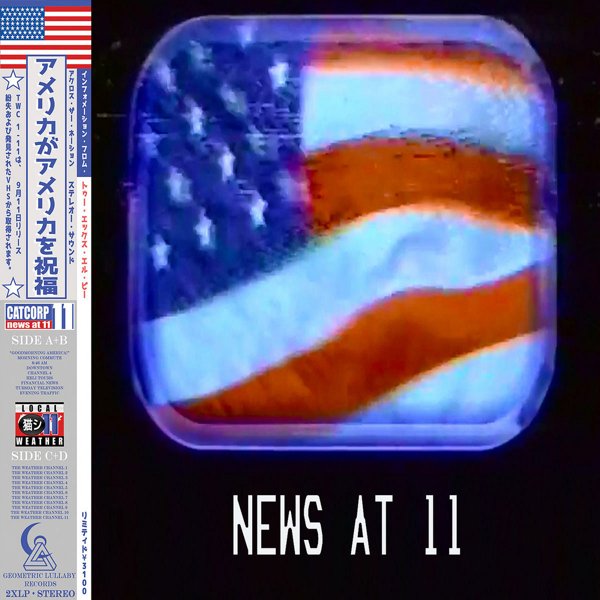
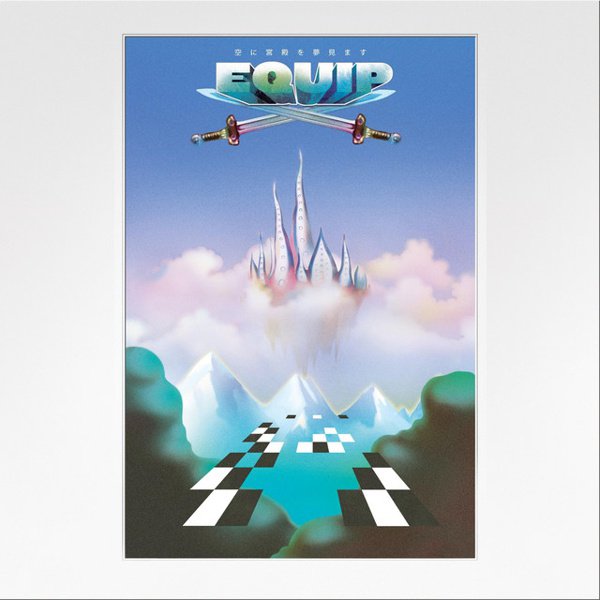
Vaporwave itself sprang from two other subgenres, chillwave and hypnagogic pop, and not atypically for the period, the music itself sometimes took a backseat to the general aesthetic. In this case, a memeified mix of 1990s computer graphics and the shiny consumerist utopia promised by the Reaganite/Thatcherism era. Not for nothing did Vice magazine dub the nascent movement “corporate smooth jazz Windows 95 pop.”
Whether this chopped up, dreamlike melange of glitching beats and warped ‘90s R&B and ‘80s soft rock samples was ironic self-parody or genuinely subversive (debates continue whether it was a critique or celebration of hyper-capitalist society), its signifiers and sounds began to bleed into the mainstream, with Rihanna, Azealia Banks, The Weeknd and Yung Lean among those smearing Vaporwave’s digital gloop on their own records.
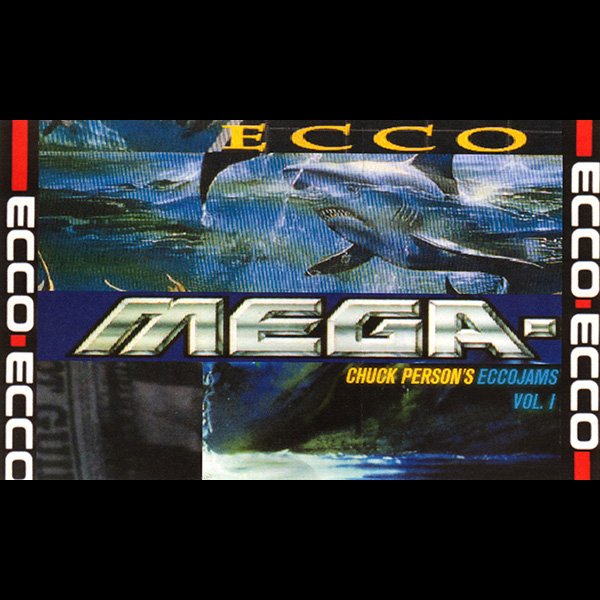
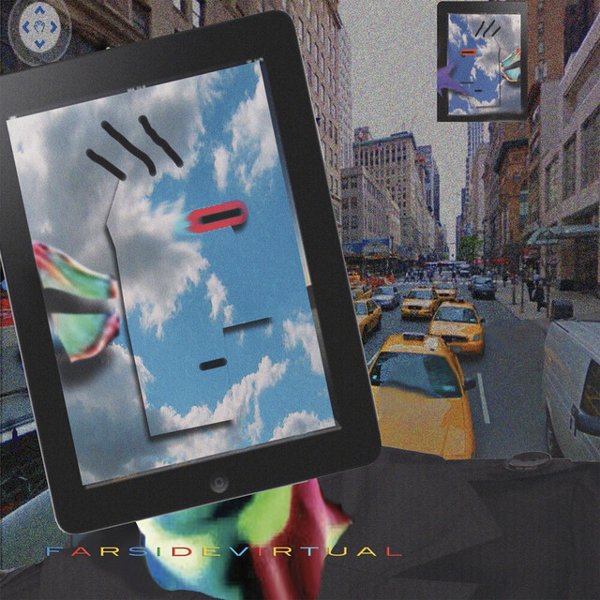
The absurdity of sub-sub genres it inspired – Simpsonwave, VHS Pop, Utopian Virtual, Hardvapour and Mallsoft to name a few – and the drift of some elements into the dark underworld of 4Chan and the alt-right make it easy to dismiss or denigrate Vaporwave. Yet revisiting some of its core releases – the foundational slo-mo collages of Chuck Person’s Eccojams Vol 1. by Daniel Lopatin (aka Oneohtrix Point Never), or the shiny reflections of city pop and defunct technological innovations on James Ferraro’s Far Side Virtual – reveals a fascinating world of cultural recycling and innovation whose influence on electronic music, hip hop and pop can be heard to this day.