Power Pop

“Power Pop” is one of those rare musical terms – a genre designation that effectively describes the sound of the music it refers to, like “heavy metal” or “jangle pop.”

The terms “power” and “pop” are equally important here. Yes, it’s pop music, filled with melodic hooks and tight harmonies, and generally dominated by layers of electric guitar. But it’s also muscular: power pop generally tends towards fast tempos, thick instrumental textures, and big (sometimes anthemic) choruses. The overall vibe is often joyful or celebratory, though sharper and more cynical lyrics are by no means unheard of. And given power pop’s usual tempos and propulsiveness – as well as the fact that it came to maturity in the 1970s – the line separating power pop from punk or pop-punk can be a bit fuzzy. Sometimes the only thing separating power pop from punk is vibe: power pop is never about burning things down, and very rarely about changing the world; instead, it’s almost always about winning someone’s heart or making the most of summer vacation or evoking whimsy.

Famously, the term “power pop” itself was invented in the mid-1960s by The Who guitarist Pete Townshend, as a descriptor of his band’s music (more specifically, the 1967 single “Pictures of Lily”). He said the term also described the music of other 1960s groups including the Beatles, the Beach Boys, and the Small Faces. If calling the Beatles “power pop” seems puzzling today, it’s probably because pop music has refracted into so many genres and subgenres in the 60 years since that Townshend interview – and, perhaps, because in retrospect the Beatles seem more or less to transcend genre. Despite the timing of Townshend’s invention of the term, it was in the 1970s that power pop really came into its own. But in a couple of ways, circumstances conspired against its success. 

On the macro level, power pop’s rise came at roughly the same time as the punk explosion; this tended both to obscure its emergence (since everyone was distracted by the seismic impact of punk’s arrival) and to create a certain amount of genre confusion: were the Nerves punk or power pop? Elvis Costello’s songs show up regularly on power pop compilations – but he got lumped in with punk as well. How about the Buzzcocks, or the Jam, or XTC? Or even the Police’s first album?

On a more micro level, power pop’s fortunes experienced a significant setback with the massive success of the Knack’s “My Sharona” in 1979, which was followed by an equally massive backlash. By this point the general parameters of power pop were pretty well established and The Knack were flagbearers of the genre. But two factors led to disaster for the band: first, “My Sharona” became so ubiquitously overplayed that it created resentment among the listening public. Second, the song was about the singer’s infatuation with an underage girl, and its lyrics were, shall we say, icky. The backlash became so severe that critics and listeners actually started a “Knuke the Knack” campaign – which not only affected the band itself, but also cast a shadow over other power pop artists and releases. For most of the 1980s, “power pop” was a term guaranteed to send radio and record label executives running.

None of this means the music disappeared during that decade, of course – it existed both underground and, in slightly disguised form, above ground. Looking back, it’s hard to categorize the 1980s music of Marshall Crenshaw (think “Someday, Someway”) and Material Issue as anything other than power pop – though by the time they hit the scene, the preferred term was “alternative rock” (or, sometimes, “college rock”). Other power-popsters-by-any-other-name of the era included the Jam, the Posies, Redd Kross, and (arguably) the Replacements. 

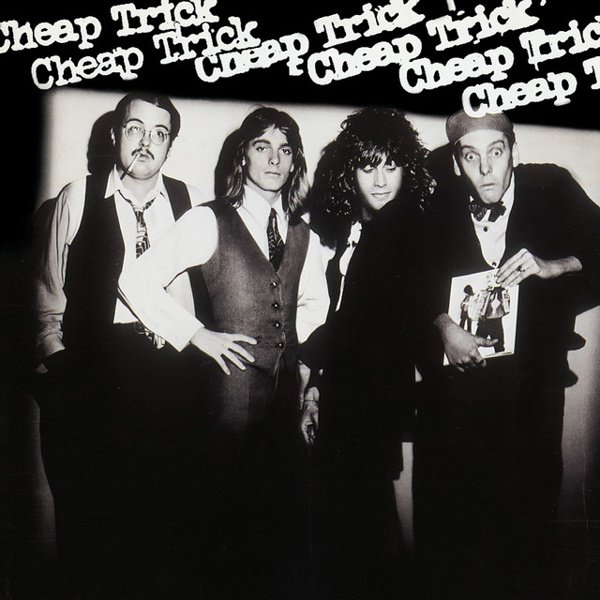
At the same time, power pop artists who had entered the scene during its pre-backlash heyday in the 1970s continued to tour and record during the subsequent decade, if not with the level of success that their earlier trajectories might have suggested they were destined for. The Romantics had a massive hit with “What I Like About You” just as the 1970s came to a close – and then one more hit (“Talking in Your Sleep”) in 1983. That was pretty much it for them. Shoes signed with Elektra in 1979, and were actually one of the very first bands to have a music video on MTV in 1981; their song “Too Late” cracked the Billboard Top 100. But while they remained active throughout the 1980s and 1990s, and then off and on through the 2010s, they never had a charting single again. Power pop’s most consistently popular avatars in the 1980s were Cheap Trick, who had established themselves as megastars overseas in the 1970s but became a consistently charting arena-rock juggernaut (and constant MTV presence) in the 1980s with hits like “I Want You to Want Me,” “Dream Police,” “If You Want My Love,” and a cover of Elvis Presley’s “Don’t Be Cruel.”

The 1990s created a lot of ambiguity for power pop. On the one hand, the backlash over “My Sharona” had long since faded from the minds of executives, radio programmers, and music listeners and buyers. On the other hand, pretty much everyone had forgotten that there had ever been such a thing as power pop, and the pop music scene was instead flooded with both the much broader category of alt-rock and the more specific subgenre of grunge – the latter, in particular, spurring a new gold rush among record labels as bands like Nirvana, Pearl Jam, and Soundgarden had hit after hit. From the more general alt-rock scene emerged superstars like R.E.M., The Smashing Pumpkins, Weezer, and Radiohead. If all of them owed some debt to 1960s and 1970s power pop (consider the chiming 12-string sound of early R.E.M., or Weezer’s possibly-ironic embrace of goofily hooky melodies and enormous guitars), that debt may or may not have been conscious – after all, power pop always was, fundamentally, pop.

But the 1990s was also the decade when being branded a power pop artist pretty much stopped being a problem. This was when Fountains of Wayne, led by the utterly brilliant songwriter Adam Schlesinger, exploded onto the scene, and it was when Green Day came to maturity with a sound that coyly disguised Beatlesque popcraft under a thin punk-rock veneer. Matthew Sweet’s 1991 hit album Girlfriend reminded the music-listening public of how much fun sheer hookiness and straightforward guitar could be, and Fastball sold a million copies of All the Pain Money Can Buy, which sported two top-ten hits singles: “The Way” and “Out of My Head.” There may have been no purer exponents of the classic power pop sound in the 1990s than Fastball.

Since the turn of the 21st century, power pop has continued to simmer along as a vital element of the pop landscape, but one that remains stubbornly below the conscious awareness of most music consumers. Fountains of Wayne had a major hit with the borderline novelty tune “Stacy’s Mom” in 2003 and one of the band’s songs was used in NFL commercials during the 2005 season. (Adam Schelsinger, who died of complications from COVID-19 in 2020, was such a gifted songwriter that he was regularly called upon when movies and stage musicals needed good songs that wouldn’t come with an external pop-culture context.) Other current exponents of the genre include the Well Wishers (a solo project of Jeff Shelton, former frontman of the Spinning Jennies), the New Pornographers, the Click Five, Motion City Soundtrack, and the Dandy Warhols. Power pop may never experience again the degree of market penetration it enjoyed in the late 1970s, but it’s unlikely ever to disappear either.

Rick Anderson

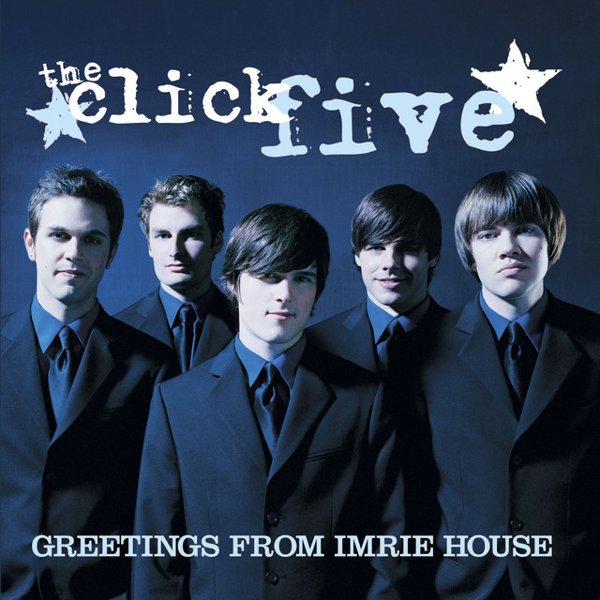
Greetings From Imrie House

The Click Five
Greetings From Imrie House cover

Forget the anti-hype: the Click Five were some of the most gifted purveyors of contemporary power pop in the early 2000s. Yes, they were highly trained Berklee grads; yes, they were cute; yes, they wore matching outfits and were studiously uncool. Sue them. But while you’re preparing your legal brief, I dare you to resist the charms of “Just the Girl” and not to bang your head along with “Friday Night.” The fact is, there’s something to be said for training and expertise, and for fully harnessing an attractive formula. The Click Five would later scuff up their image, but they never lost their commitment to big, crunchy guitars, tight harmonies, and deliriously catchy hooks.

Raspberries

The Raspberries
Raspberries cover

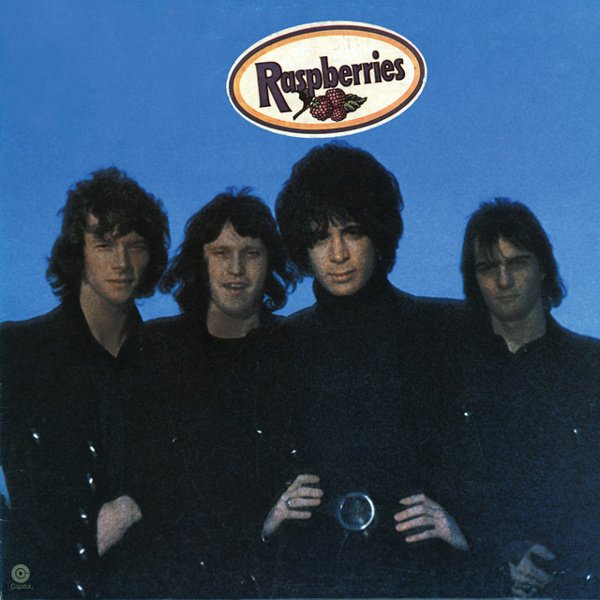
Remembered today primarily as the springboard for Eric Carmen’s successful solo career and for their 1972 hit “Go All the Way,” the Raspberries were primary architects of the American power pop sound. The sound of those opening guitar chords on their debut album echoed through countless power pop releases of the ensuing decade, even though the rest of that album went off on a variety of stylistic tangents: “Come Around and See Me,” for example, is a clear homage to middle-period Beatles, while “Rock & Roll Mama” is more bluesy and groove-based and “Waiting” is a sentimental love ballad featuring syrupy strings. “Get It Moving” is straight-up boogie rock, and “With You in My Life” uses a brass band that Ray Davies would have killed for. “Go All the Way” is the only song here that had a lasting impact – but that impact is still being felt.

Snap!

The Jam
Snap! cover

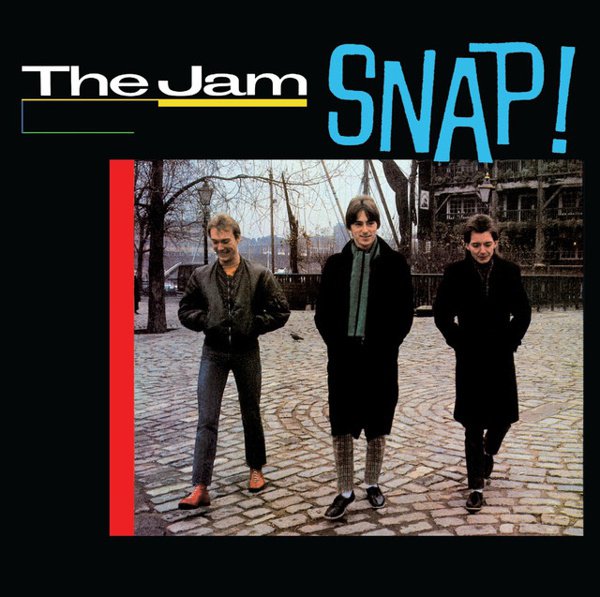
This generously packed best-of offers a handy overview of what made the Jam one of the most important bands of the postpunk period. It shows them drawing on punk, 1960s mod pop, and power pop to create a style all their own. Early songs like “In the City” and “The Modern World” tend towards a scrappy, aggro sound, but they show an already emerging tendency towards melancholy as well (“Away from the Numbers,” “English Rose”). Later the trio would delve more deeply into soul (“Town Called Malice”) and funk (“Precious”), but frontman Paul Weller’s sharp and sometimes acerbic social and political commentary would be a constant defining element lending a serrated edge to even their poppiest songs.

Amazing Disgrace

The Posies
Amazing Disgrace cover

Whereas most power pop bands are pop first and power second, on Amazing Disgrace the Posies are power first and pop second. That’s not to say that this music isn’t hooky; it certainly is, and there are great fist-in-the-air singalong moments throughout. But those moments emerge from a welter of sounds that sometimes evoke Sonic Youth (“Daily Mutilation,” the guitar freakout at the end of “Hate Song”), sometimes Hüsker Dü (“Grant Hart”), and sometimes, believe it or not, Foo Fighters (check out the chorus on “Fight It”). Of course, Foo Fighters were still a new band when Amazing Disgrace came out, so the reality is probably that the stylistic debt goes the other way. In any case, this album is one of the most interesting and complex manifestations of 1990s power pop.

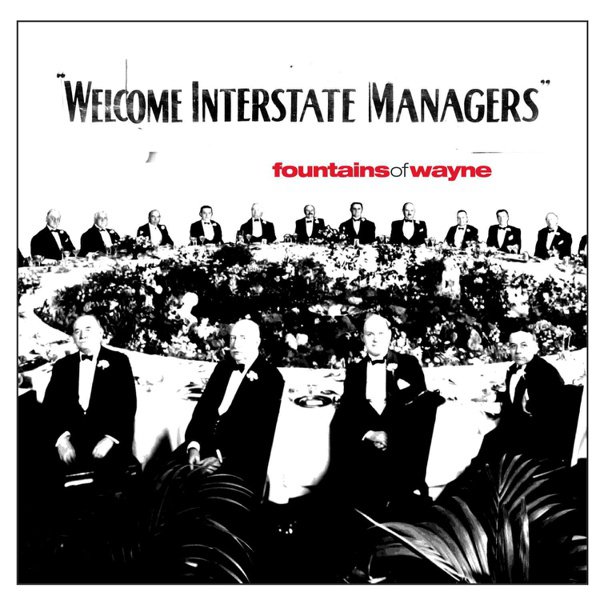
Welcome Interstate Managers

Fountains of Wayne
Welcome Interstate Managers cover

Built on the solid structure of Adam Schlesinger’s frequently perfect songwriting, Fountains of Wayne brought power pop back to mass acceptance in the late 1990s. It was in the early 2000s that they really broke through, though, when they had their biggest hit: a clever novelty song titled “Stacy’s Mom.” Their wry humor and seemingly effortless way with a melodic hook sometimes bring to mind They Might Be Giants – though where the latter revel in goofy surrealism, Fountains of Wayne always couched their humor in pure rock formalism. Welcome Interstate Managerscame midway through the band’s career and is a good place to start: if the sharp-eyed “Bright Future in Sales” and the crispy-crunchy guitars on “Little Red Light” turn your crank – and they will – then go back to their self-titled debut and start at the beginning.

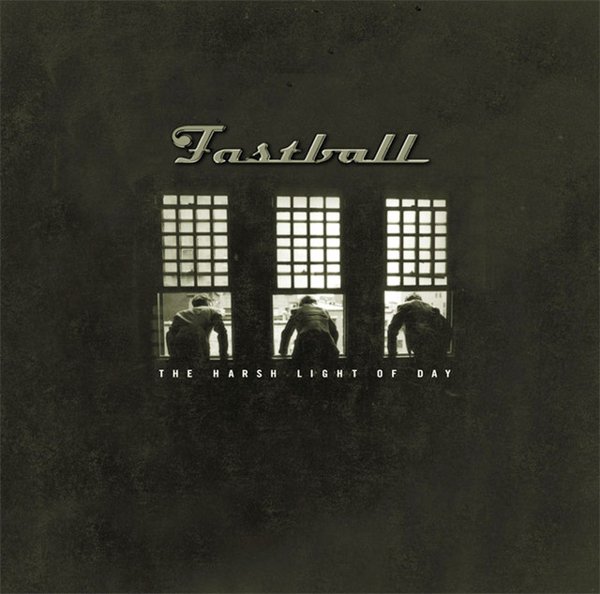
The Harsh Light of Day

Fastball
The Harsh Light of Day cover

Fastball’s third album was their last one with a major label. Their previous release (All the Pain Money Can Buy) had gone platinum, and while The Harsh Light of Day featured the unbelievably catchy “You’re an Ocean,” it didn’t sell as well. What it did do, though, is absolutely settle the question of whether Fastball was the best power pop band on the planet at the time. There’s really not a weak track here: the Latin-tinged “Love Is Expensive and Free” is almost as hooky as “You’re an Ocean,” “Wind Me Up” features bigger guitars than Weezer ever dared and a better verse melody than they ever achieved; “Time” is funky like Stevie Wonder is funky. This is one of those albums that might convince you to go out and buy a convertible just so you can blast it out with the top down.

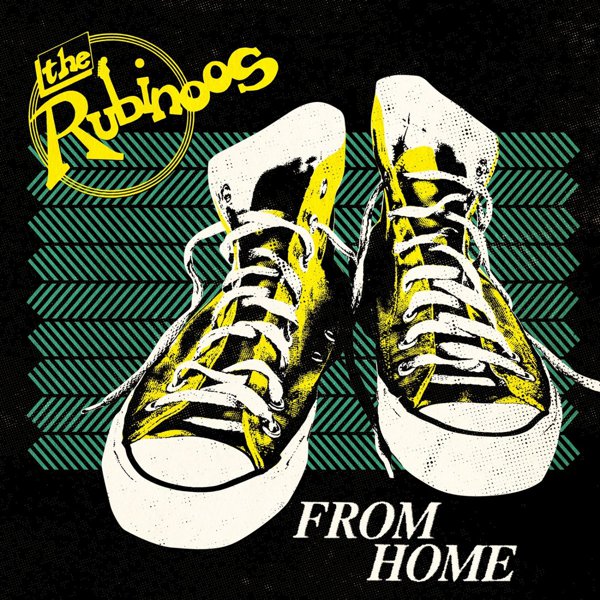
From Home

The Rubinoos
From Home cover

The Rubinoos were one of those mid-1970s Beserkley bands that helped to refine the sound of power pop. If you remember them, it’s probably because you were alive when they had a big hit with their cover of Tommy James and the Shondells’ “I Think We’re Alone Now” (long before the much less awesome Tiffany version) and possibly for “I Wanna Be Your Boyfriend.” They fizzled out in the mid-1980s, when power pop was in a general slump, but emerged again in the 2000s. From Home was released in 2019, but sounds like it could have been made in 1978: their voices are still strong, and they still write evergreen pop songs that would have sounded perfectly at home on one of their early albums. Highlights include “January” (my gosh, those harmonies) and the charmingly titled “Masochist Davey.”

A Different Kind of Tension

Buzzcocks
A Different Kind of Tension cover

Buzzcocks first singles and EP were standard-issue punk rock (in a just world, singer Howard Devoto would have paid Johnny Rotten royalties), but even then, you could hear the pop inclinations peeking through the cracks in their rough-and-ready sound. By A Different Kind of Tension, the tension you were hearing was between punk roots and pop aspirations. Consider, for example, how the thrashing chorus of “Sitting ‘round at Home” serves as a rebuttal of the straightforwardly rockish verse; consider, also, the aggressive but still pure pop of “You Say You Don’t Love Me.” Equal parts sinus-clearing aggro punk and prototypical power pop, A Different Kind of Tension finds Buzzcocks mapping out a unique musical path using nothing but familiar tools.

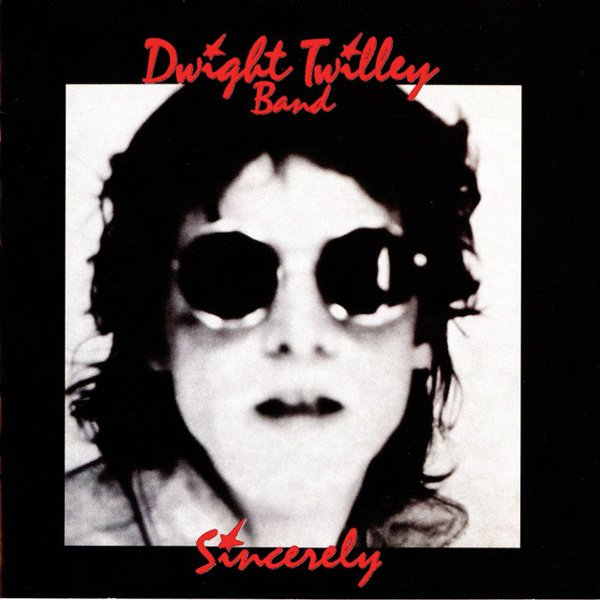
Sincerely

Dwight Twilley Band
Sincerely cover

The term “power pop” had been coined nearly ten years earlier, but there’s an argument to be made that, by 1976, no one had done power pop better than the Dwight Twilley Band did it on their debut album. (Cheap Trick wouldn’t release their debut for another year.) The production may sound a little messy by 21st-century standards, but the songcraft is anything but: on “You Were So Warm” the guitar parts chime perfectly, the harmonies soar gently, and the hooks burrow into your ear at a rate of about three per minute. Even the retro 12/8 of “I’m Losing You” feels somehow new and innovative, in support of Twilley’s fragile lead vocal and the heartrending chord progression.

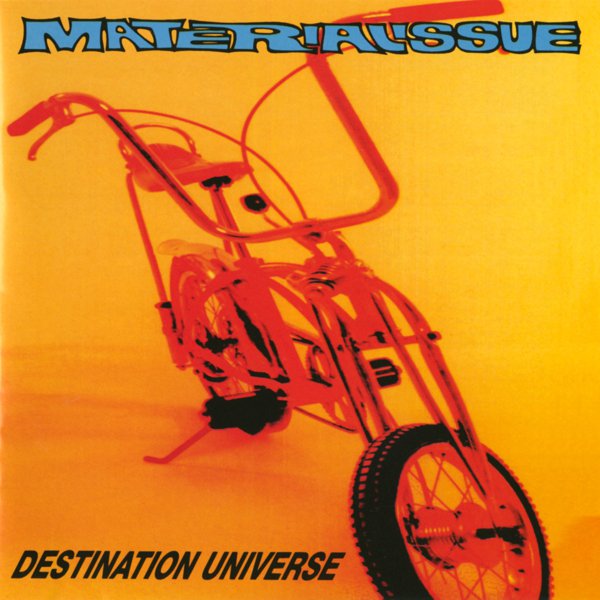
Destination Universe

Material Issue
Destination Universe cover

On their second album, Material Issue’s sound is a bit denser and heavier than on International Pop Overthrow. But you can’t call it an evolution: it’s still straight-up midwest power pop, with crunchy guitars and tight harmonies and undeliable melodic hooks. Also remarkable consistency: “What Girls Want” was the single, but it could just as easily have been “When I Get This Way (Over You)” or the midtempo “Don’t You Think I Know.” Sadly, this was Material Issue’s final proper studio album, as bandleader Jim Ellison took his own life before a third could be released.

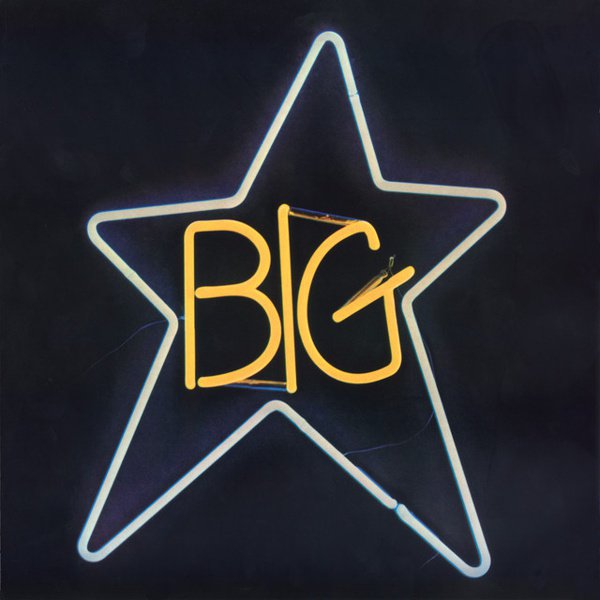
#1 Record

Big Star
#1 Record cover

Big Star is one of those bands that most members of the general public have never heard of, but whose influence that same public has heard across hundreds of songs by bands they do know and love – artists like R.E.M., the Posies, Elliott Smith, and the Replacements (who actually wrote a song explicitly celebrating Big Star’s leader, Alex Chilton). Their humorously titled debut album was met with rapturous reviews and terrible distribution, limiting its commercial impact, but today it’s generally regarded as a classic of the early power pop sound. The massed vocals on “The Ballad of El Goodo” and “Don’t Lie to Me” and the heavy but crisp guitars on “When My Baby’s Beside Me” would be adopted by countless other bands over the next twenty years – and many would try, and fail, to duplicate the brilliance underlying both the sound and the structure of “Watching the Sunrise.”

Weezer [Blue Album]

Weezer
Weezer [Blue Album] cover

On their debut album, Weezer laid out their syllabus for the next ten years: big guitars, simple, catchy melodies, and a general attitude that was probably ironic, but you couldn’t ever be completely sure. When Rivers Cuomo opens “No One Else” with the line “My girl’s got a big mouth,” you immediately start trying to figure out whether he’s making fun of himself or her. (And you eventually conclude that it’s himself. Probably. Hopefully.) “Buddy Holly” (“Oo-wee-oo, I look just like Buddy Holly”) is more obviously intended to be funny, while “Undone – The Sweater Song” is just odd, though charmingly so. Weezer has divided critical opinion since day one, but hardly anyone would deny being pulled in by at least some of these songs.

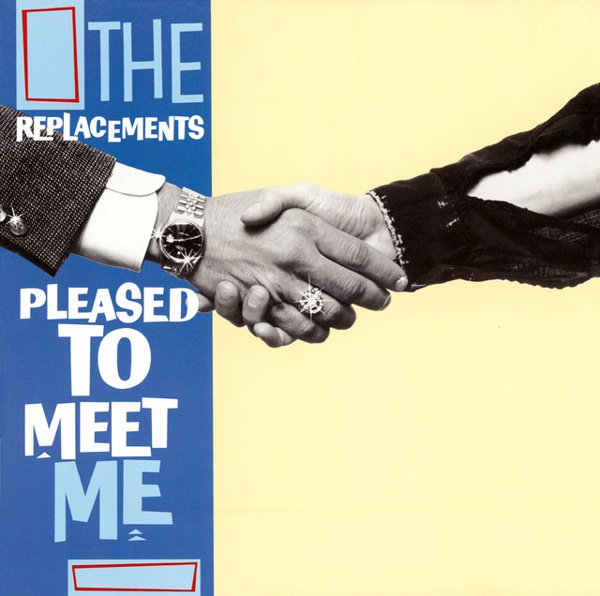
Pleased to Meet Me

The Replacements
Pleased to Meet Me cover

When this album came out in 1987, critics started falling over themselves. It seemed like the Replacements had everything: serious songwriting chops, tragicomic antics, an underage bass player, and a Rimbaudian frontman. Their punkier early albums had definitely garnered attention, but Pleased to Meet Me was the one that made the critics really sit up and take notice. (It made several best-of-year and best-of-decade lists.) What brought the wider attention was the band’s move from scrappy punk rock into accomplished (though still scrappy) power pop, with tracks like the longing “Can’t Hardly Wait” and the grittily soaring “Never Mind.” By this point it was becoming clear that frontman Paul Westerberg was actually a major songwriting talent, and his solo career became an inevitability.

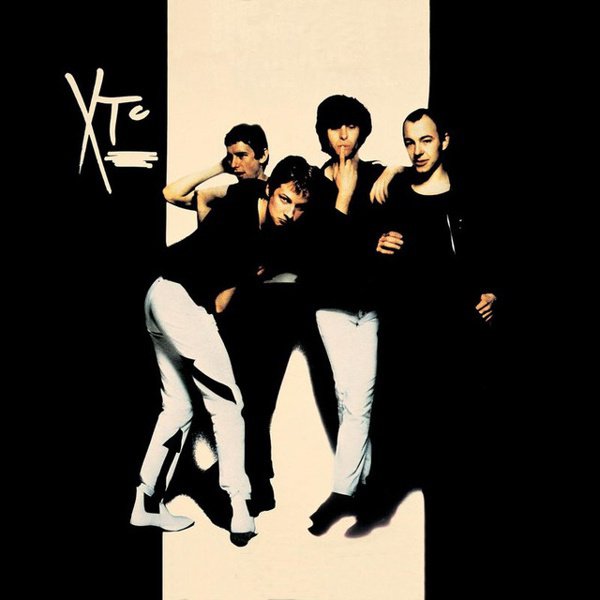
White Music

XTC
White Music cover

On their debut album, XTC made a noise that was quite unique. It blended the frantic energy of punk with virtuosic musicianship and highly attractive melodies (some of which flew by so quickly that they were hard to catch). “Radios in Motion” and “This Is Pop?” were both incredibly catchy and deeply strange, and even stranger was their cover version of Bob Dylan’s “All Along the Watchtower,” which was rendered almost unrecognizable by Andy Partridge’s spasmodic, hiccupping vocals. Things are just as frenetic on the headlong “Do What You Do,” and just as weird on “I’m Bugged” – but there are also moments of relative calm on which XTC’s talent for the melodic hook is on full display. “New Town Animal in a Furnished Cage” and “Into the Atom Age” are both good examples. It’s exhausting, but White Music is also tons of oddball fun.

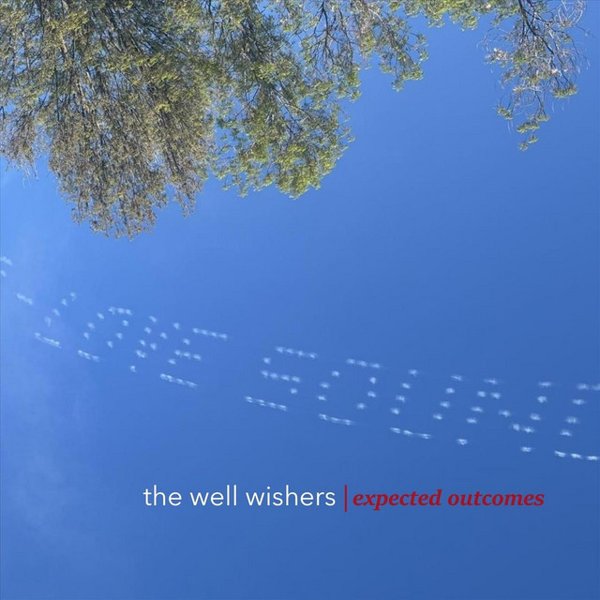
Expected Outcomes

The Well Wishers
Expected Outcomes cover

Jeff Shelton has an impeccable pedigree in power pop, having served a ten-year term as founding member of the Bay Area band Spinning Jennies and released his own solo work under the name The Well Wishers for over 20 years since. 30 years of writing will hone anyone’s craft, and Expected Outcomes shows Shelton to be at the top of his game: the album features heavy but tight guitars, multilayered harmonies, and hooks hooks hooks. Sometimes the hooks are big and anthemic (“Second Hand Emotion,” “Pox on Everything”) and sometimes they’re more subtle and crafty (“In the Afterglow”), but there’s not a single track on this album that you won’t want to sing along to in the shower or in the car. And the thing is, all of his albums are like this.

New Miserable Experience

Gin Blossoms
New Miserable Experience cover

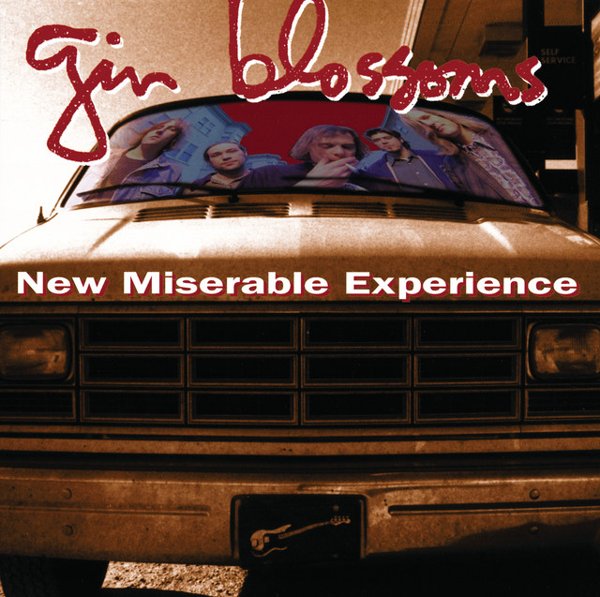
These Tempe, Arizona-based power poppers hit it big in the early- to mid-1990s with hits that you’re still hearing in department stores everywhere: “Hey Jealousy,” “As Long As It Matters,” “’Til I Hear It From You,” etc. Unfortunately, their debut album was dogged by tragedy: lead guitarist and songwriter Dog Hopkins’ depression and alcoholism had become such a problem that he was fired after the New Miserable Experience was completed, and he eventually killed himself; the band never fully recovered its mojo. But their particular brand of high-energy jangle rock never went away either (despite snobby critical backlash in the wake of their hits), and this album is now generally regarded as a hallmark of power pop’s 1990s resurgence.

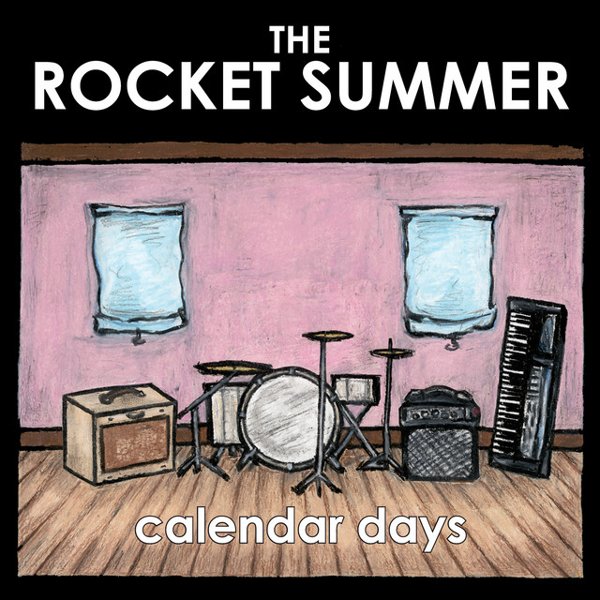
Calendar Days

The Rocket Summer
Calendar Days cover

Bryce Avary released this, his first full-length album under the name The Rocket Summer, in 2003 when he was twenty years old. He wrote all the songs and played all the instruments, and the whole thing is an absolutely exhilarating, headlong blast of intensely melodic guitar pop. The hooks start coming on the very first song, “Cross My Heart,” and they continue coming at you so fast and piling up so quickly that you’ll find yourself just sitting back and letting them wash over you. Avary’s voice is maybe just a little bit precious, high and childlike and just a bit too sweet. But his singing ultimately proves irresistible; his lyrics are so open-hearted and genuine, his way with a melody so precociously assured, and his sense of song structure so solid that, by the fourth track, you’re ready to forgive him anything. When he sings “I can’t stop thinking of how wonderful this is,” you’ll almost certainly be singing it along with him.

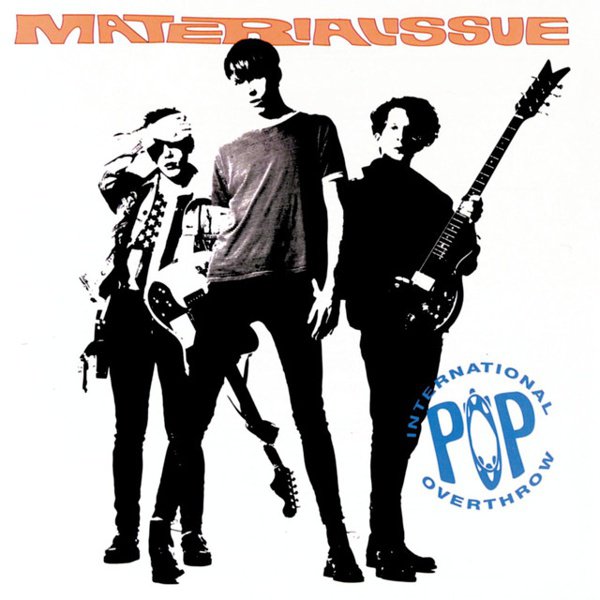
International Pop Overthrow

Material Issue
International Pop Overthrow cover

Material Issue burst from the midwest power pop scene onto the national stage with this, their 1991 debut album. Produced by Jeff Murphy of Shoes, it features a couple of bona fide hits (“Valerie Loves Me,” the blissfully tuneful “Diane”) but plenty of other strong tracks as well. Singer Jim Ellison has a powerful tenor voice and the kind of vaguely British vocal inflection that marked much of the music of this ilk, and the trio’s sound is tight and sharp.

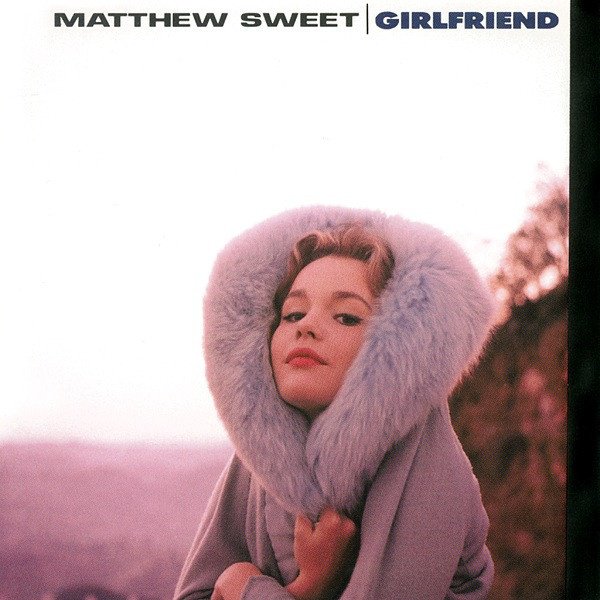
Girlfriend

Matthew Sweet
Girlfriend cover

On his 1991 release Girlfriend, Matthew Sweet basically trademarked the concept of Weirdo Power Pop. Drawing on contributions from downtown legends (Fred Maher, Richard Lloyd, Robert Quine), a first-call slide player (Greg Leisz), and even Lloyd Cole, Sweet starts the program with the grimy “Divine Intervention,” a song that juxtaposes sunny harmonies with decidedly after-midnight guitars and lyrics of existential heaviosity (and a false ending). And then, then, he segues into the shimmering jangle-pop of “I’ve Been Waiting,” which is perhaps the most perfect love song in pop music history. Girlfriend is timeless in the literal sense: someone who wasn’t already familiar with it would probably have a hard time guessing what decade it was made. And that’s a good thing.

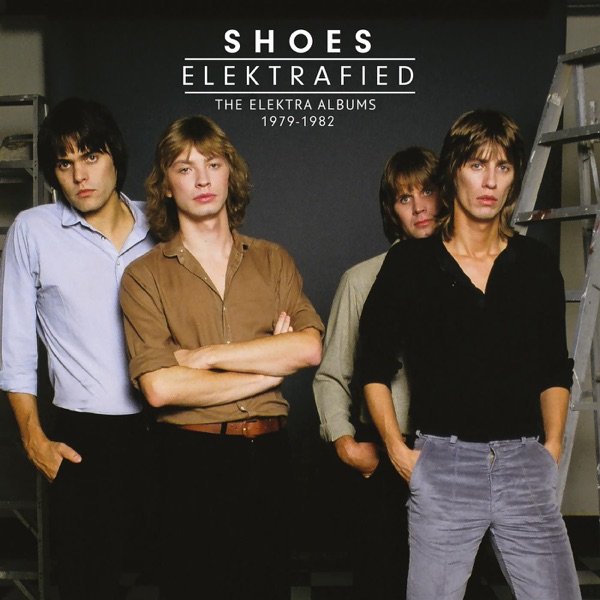
Elektrafied: The Elektra Years 1979-1982

Shoes
Elektrafied: The Elektra Years 1979-1982 cover

If you love power pop and haven’t heard of Shoes – or if you’ve loved them for fifty years and need to replace your worn-out vinyl copies of their back catalog – then this box set is your golden opportunity. It contains the three albums they made for the Elektra label between 1979 and 1982, along with startlingly professional-sounding eight-track home demos and a six-song live EP recorded at an ice rink. From the lead track on Present Tense (the deliciously perfect “Tomorrow Night”) through the minor hit of “Too Late” and the monstrous “She Satisfies” to the much more contemplative “Tested Charms,” Shoes consistently impress with dense and tight harmonies, earworm hooks, and huge but tasteful guitars.