
As the twenty-first century passes on past its first quarter, the previous century seems even more distant as a result. In terms of underground music that can sometimes be a little wrenching to realize. It makes the continuing story of one of the best independent labels from the 1990s onward all the more remarkable: the Chicago-founded Kranky. From its start with the debut album by the then-duo Labradford out of Virginia with Prazision LP, Kranky has held to a general aesthetic and creative approach that in turn has still so far ridden out everything from the crash of the 90s alternative boom and the upheaval of file sharing to the increasing amount of AI-generated slop in the artistic world and beyond. With an emphasis on what could be called simultaneously accessible and exploratory music with some general roots in indie rock, regardless of the exact sonic approach or instrumentation employed by the various musicians or groups on the label, Kranky remains a remarkable example of first finding a place and then creating a tradition that’s still being added to.
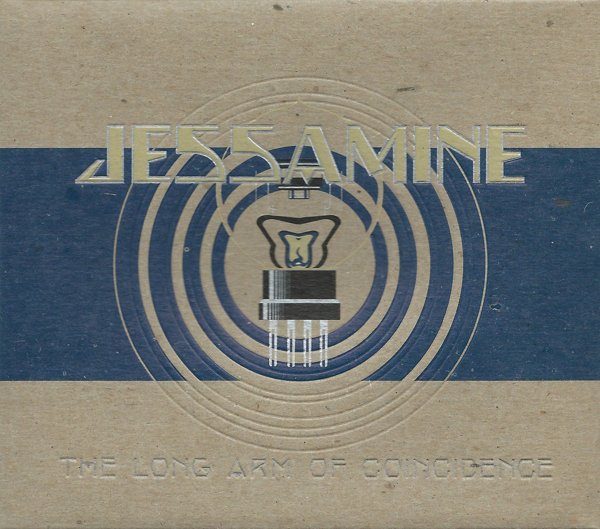
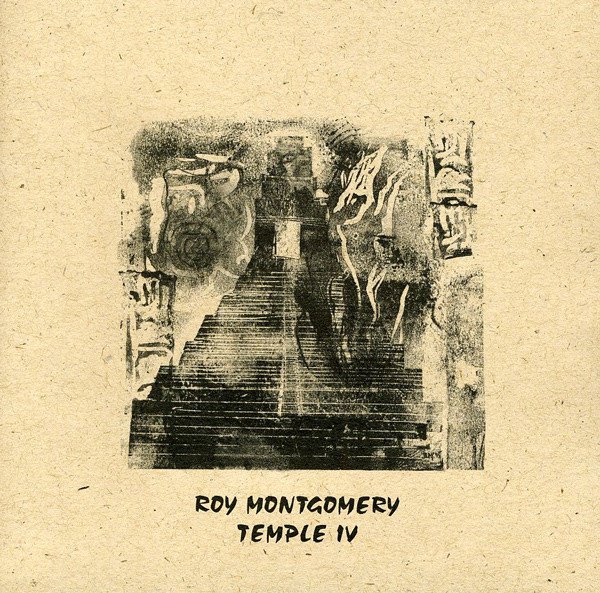
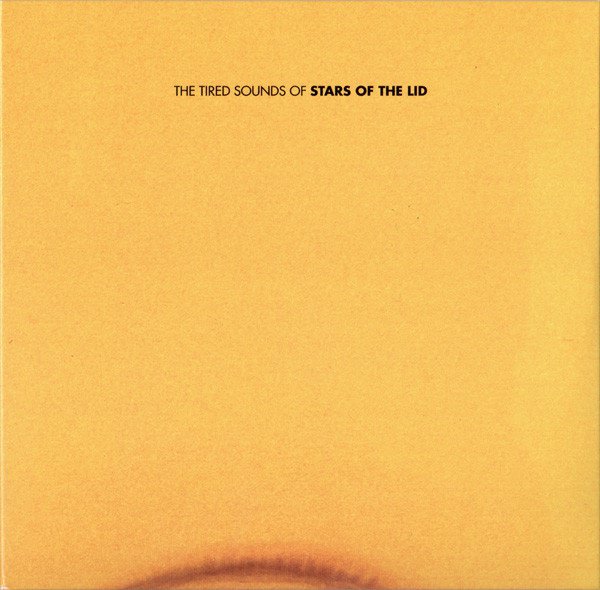
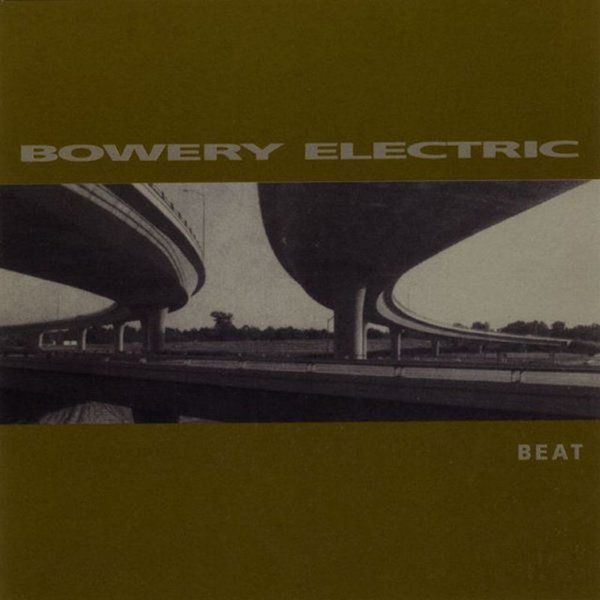
As described by Bruce Adams in his personal history of Kranky and the 1990s Chicago indie rock scene in his 2022 book You’re With Stupid, he and Joel Leoschke, who were both working at the local distribution offices of Cargo Records at the time, were inspired after hearing a debut single from Labradford the band had sent in in 1992. It galvanized their incipient daydreams about starting their own imprint, with certain practical business and artistic goals in mind, an initial series of distribution connections to help spread the word, and the help of a friend, Matthew Taylor, in designing their Audio Fidelity-inspired logo that the label has used since. Leoschke and Adams began steadily building up a series of inspired releases for the rest of the 1990s that helped solidify their reputation, with particular nods to what was bandied about as post rock, space rock, shoegaze or even modern classical music. Notable acts included Jessamine, New Zealand band Dadamah and its members like Roy Montgomery, Bowery Electric, Amp, Stars of the Lid, Windy & Carl, Jessica Bailiff and especially the Canadian group Godspeed You! Black Emperor, who became a success story in particular.
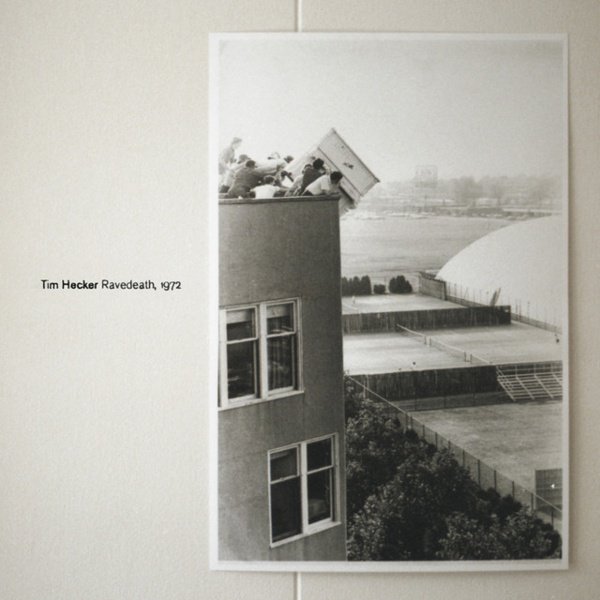
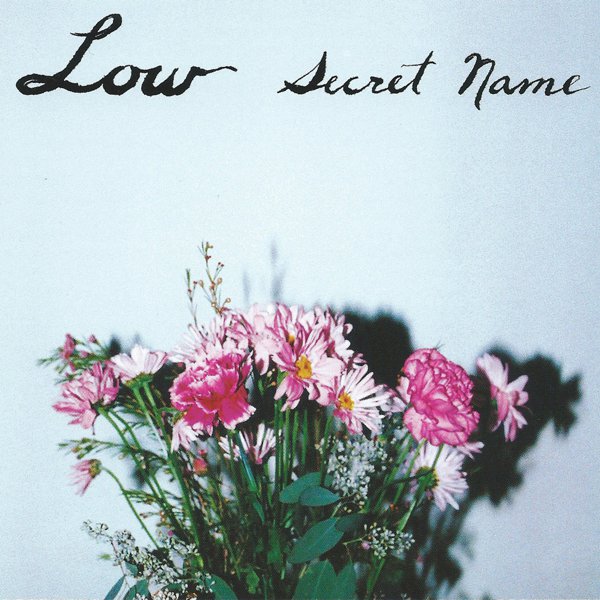
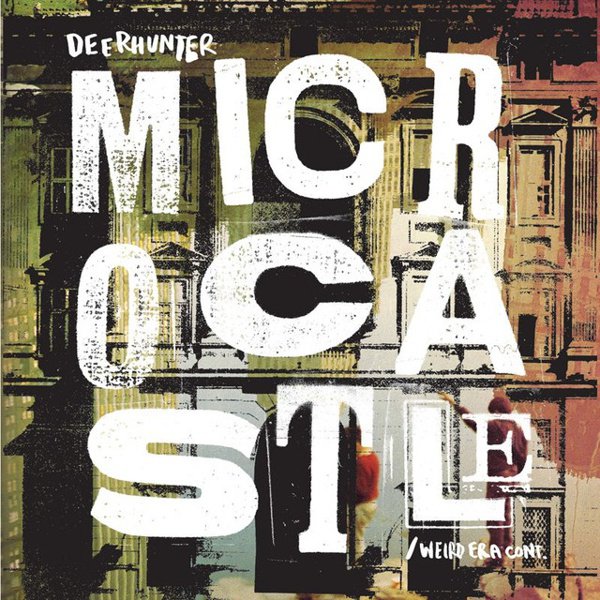
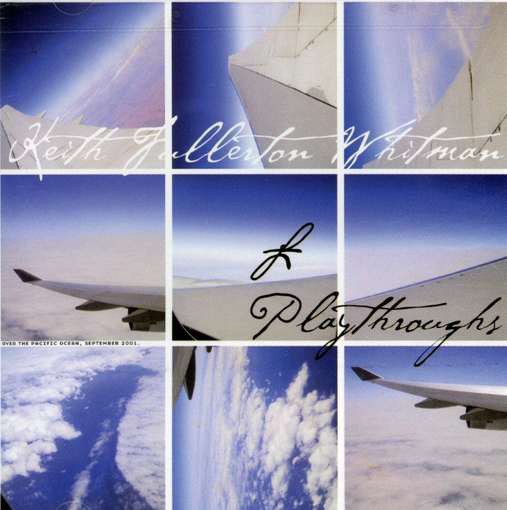
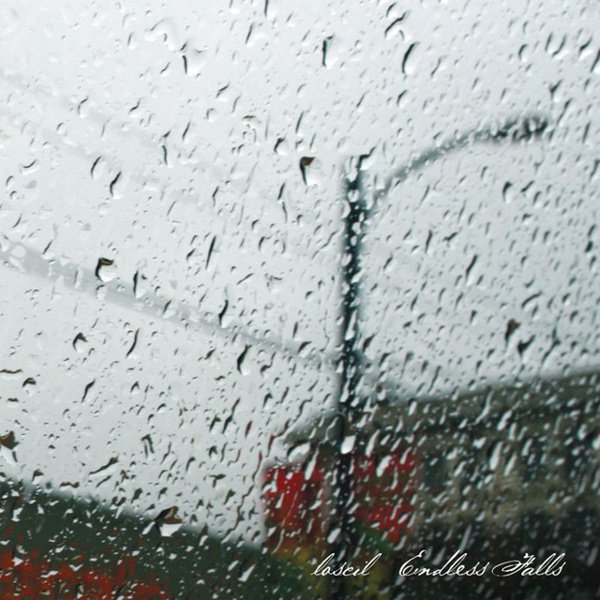
Another increasingly well known name that joined them as the 1990s shifted into the new millennium were the Minnesota trio Low, who built on their earlier albums to create a new series of striking, compelling efforts that solidified their status as one of the great American rock bands. Besides continuing work by initial flagship acts, further side projects and collaborations began to emerge as well throughout the 2000s, including Mark Nelson of Labradford’s Pan•American, Stars of the Lid’s Adam Wiltzie’s Aix Em Klemm duo – which would also be the introduction of the wonderful Christina Vantzou to the general Kranky universe – and both Wiltzie and his Stars of the Lid cohort Brian McBride putting out solo work. Meantime newer acts joined, whether in the short term or for longer stretches, with albums from Keith Fullerton Whitman, Lichens, Loscil, Out Hud, Christopher Bissonette, Benoît Pioulard, Valet and Tim Hecker all making their mark. Deerhunter became a notable success in the further explosions of 2000s indie rock, not to mention its own various side projects, while the addition of the entrancing Charalambides in turn and their own separate solo efforts was no less striking.
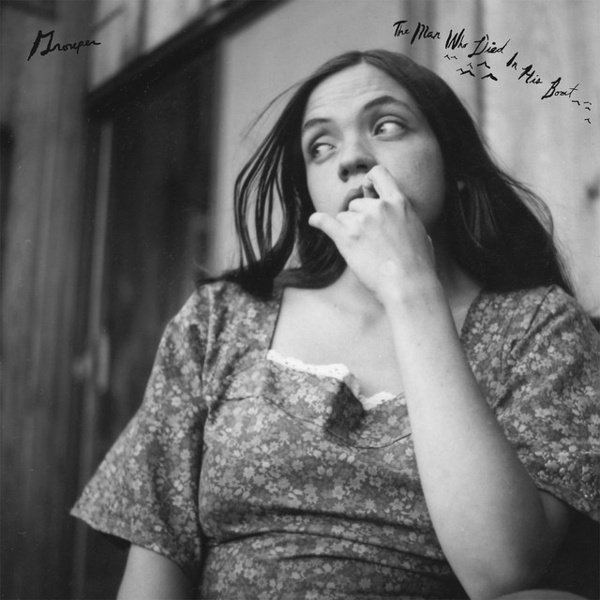
In the mid-decade, Adams sold his share in the business to Leoschke while Brian Foote joined to keep things rolling – and they very much kept doing so, with an increasing number of label veterans continuing to work with the label both in their own right and on numerous new projects and releases further into the 2010s such as Wiltzie’s A Winged Victory For The Sullen and the Labraford-birthed Anjou. Meantime, newer acts joining them, either outright or after an increasingly common self-release and/or internet release route, included Belong, Disappears, MJ Guider, Justin Walter, Steve Hauschildt, Saloli and Ken Camden. But little question that one of the most notable musicians to become a part of the overall roster was Liz Harris, whose one-person project Grouper had already made a deservedly huge impact beforehand. She simply kept it rolling with a series of incredibly compelling efforts as well as collaborative projects of her own. By the time of the label’s twenty-fifth anniversary concert events, Kranky had, against all odds, become an institution.
The 2020s continue to see Kranky and a now multigenerational complement of performers put in the good work. Newer acts on the label, either veterans newly arrived or just starting their recording careers, include Ana Roxanne, Earthen Sea, Niecy Blues and Clinic Stars. But there’s an extensive presence still from any number of bands and musicians who have made the label their key home all this time; by this time of writing in late 2026, Kranky’s released new albums in just the past couple of years alone from Windy & Carl, Tim Hecker, Christina Vantzou, Pan•American, Liz Harris solo and from her band Helen, Loscil, Belong and Adam Wiltzie. Predicting the future is always truly impossible when it comes to what’s next for any label or general effort that has to rely on its own strengths in a world of multinationals and agglomerated imprints, but Kranky still is doing what it can, wonderfully so.