
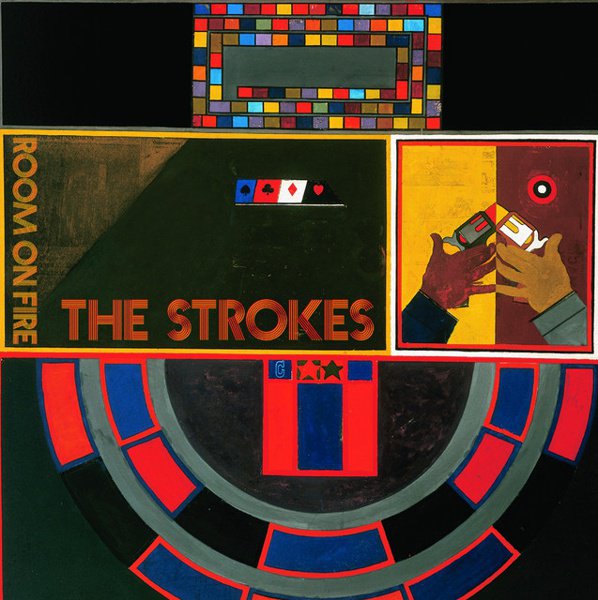
Mainstream and alternative rock music in the late 1990s was a dreary affair. There was the knuckledragging aggression of rap-rock overlords like Korn and Limp Bizkit. There was grade-Z post-grunge like the bellowing Creed and Staind. Borderline self-parodic, it was the aftermath of a legitimately alternative movement spearheaded by Nirvana earlier in the decade, with any ties to the underground long since abandoned. The actual underground indie scene – populated by second-wave emo and acts like Modest Mouse that had an insular, homespun aesthetic – was artistically more satisfying, but rock music had been mostly a downer for almost the whole decade.
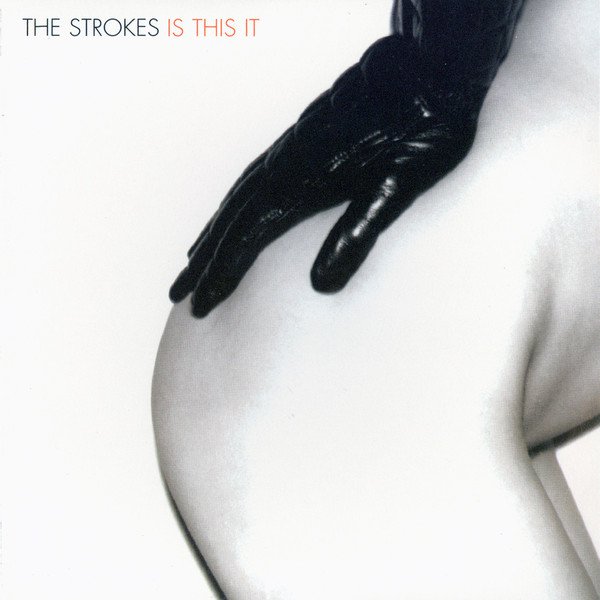
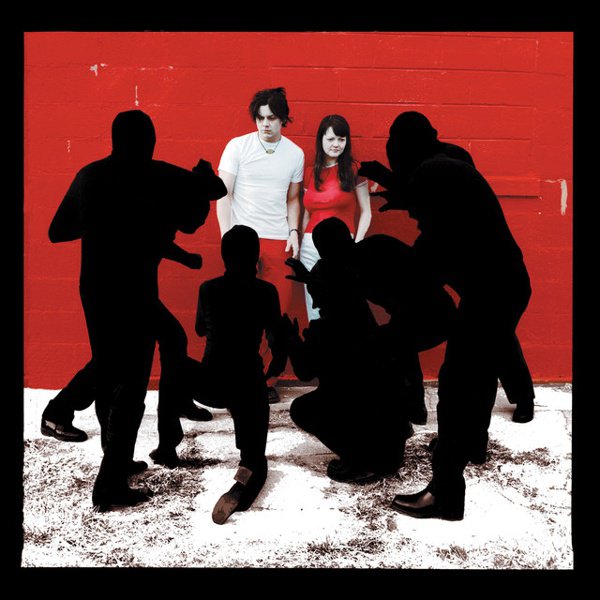
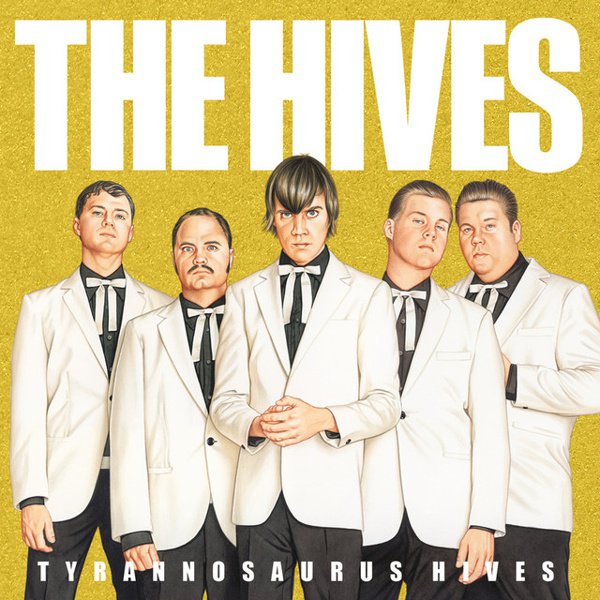
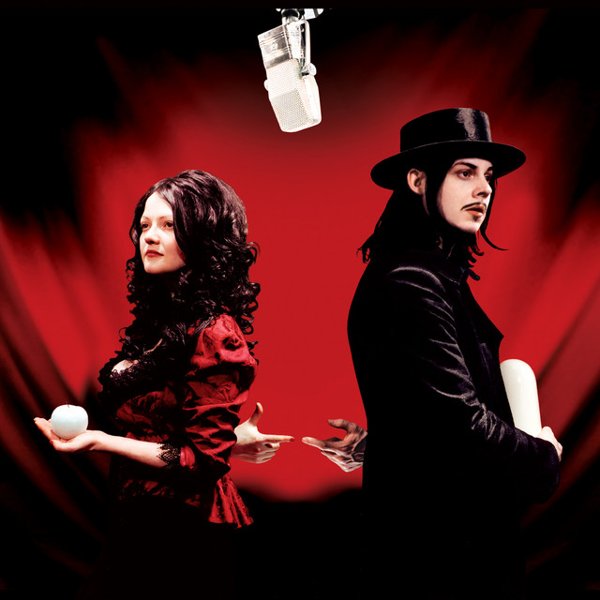
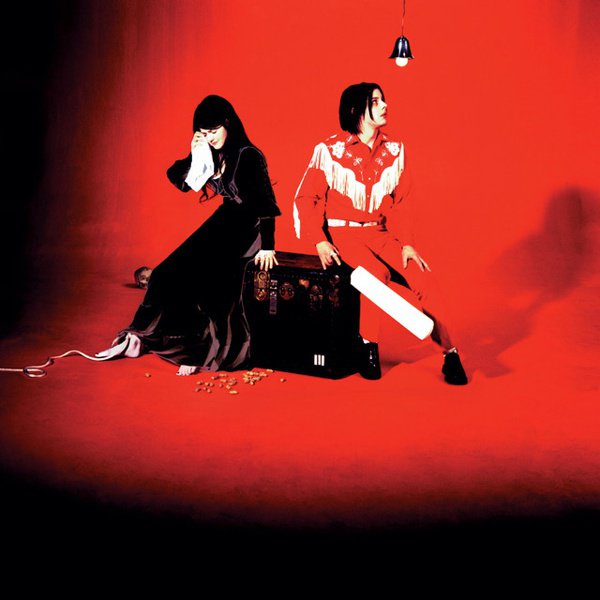
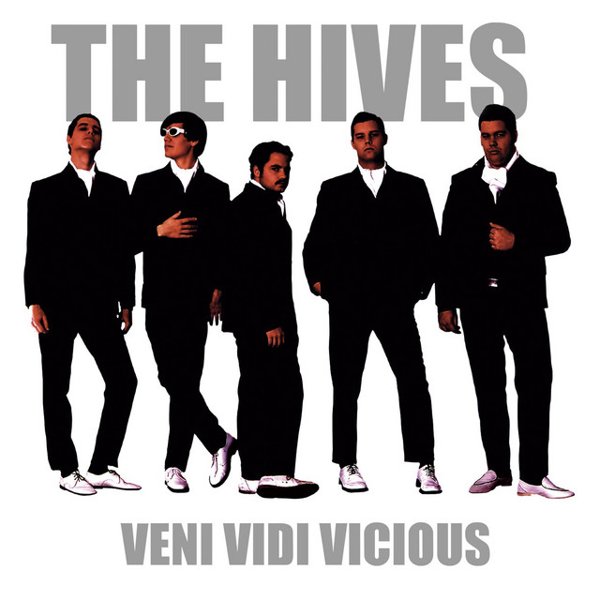
So the emergence of the White Stripes, The Hives and then The Strokes at the turn of the century was a fresh blast of swinging swaggering fun that had been sorely missed. It was a movement made for rock critics and had, from the beginning, limited mainstream appeal. The recordings were relatively lofi, the songs were based on 1960s garage rock, 70s punk, 80s new wave and 90s Britpop, four genres that were not represented in commercial U.S. alternative rock, which at the time was aggro, in conversation with metal, sexless and angry or depressed. Along with dance-punk and electroclash, the rock and roll revival formed the core of a back-to-basics movement that shifted the underground towards hedonism and excitement in the aftermath of 9/11.
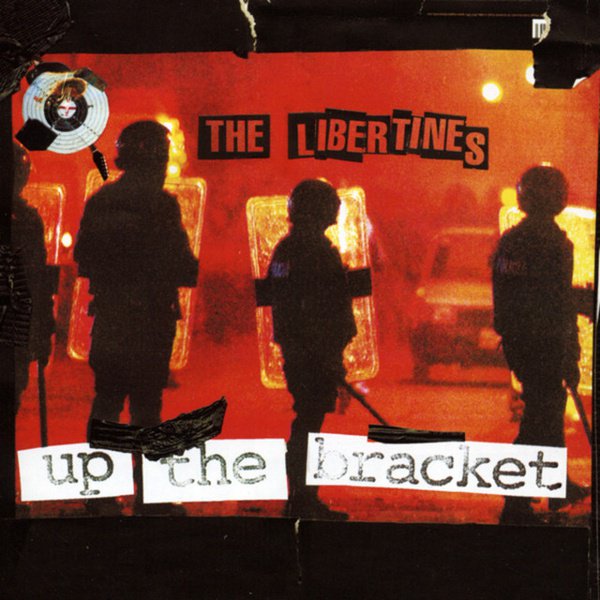
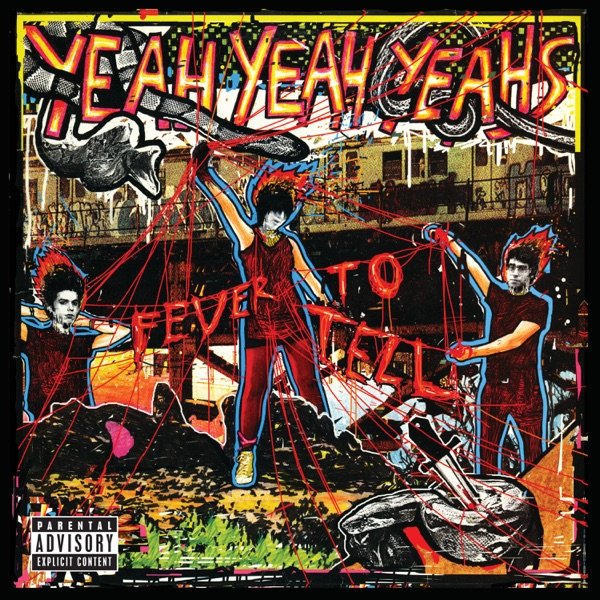
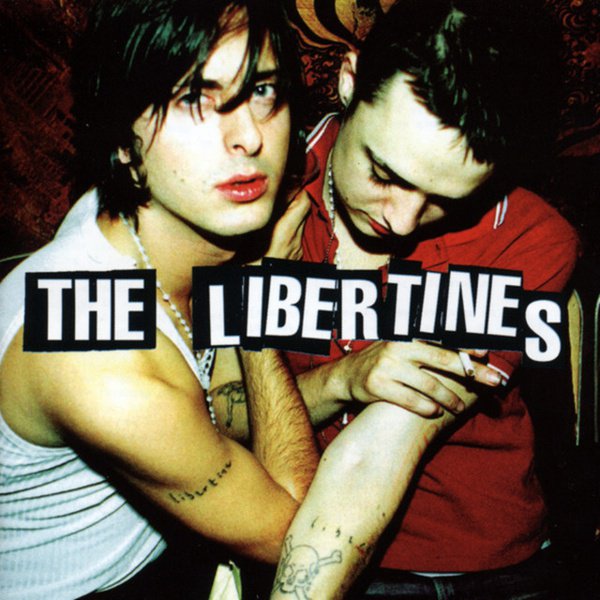
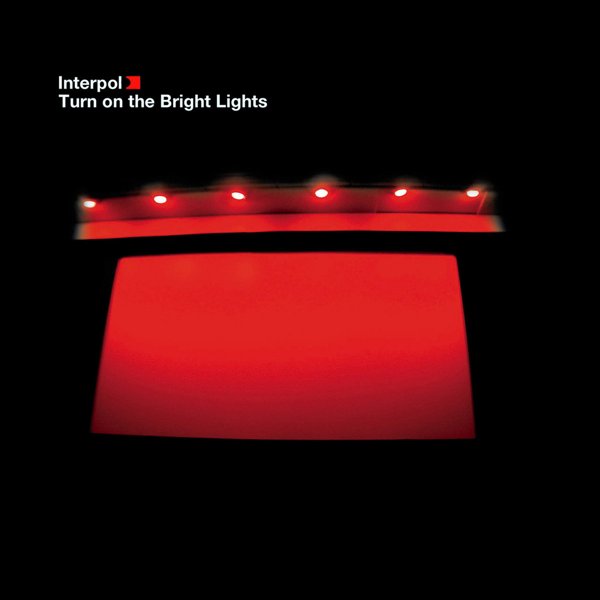
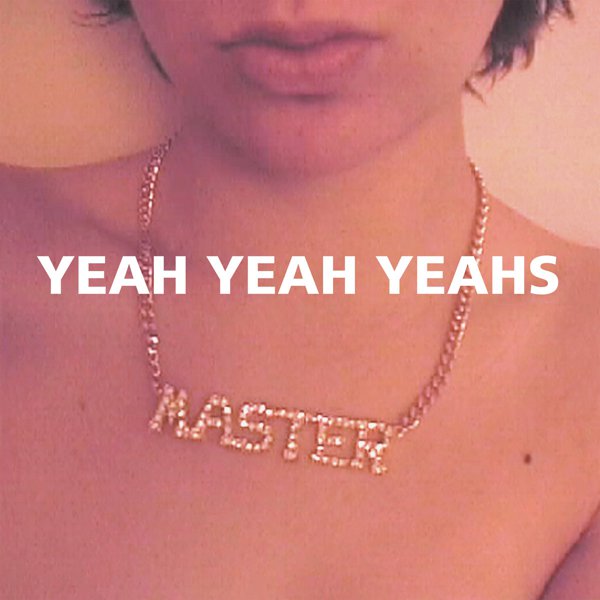
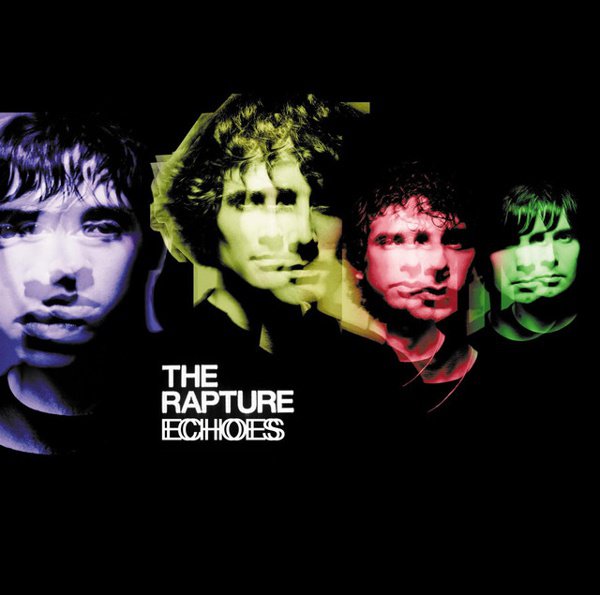
There seemed to be a cultural hunger for sincerity and simplicity after September of 2001 (that year Time magazine declared irony dead) and these groups delivered. After the entrance of The Strokes, The White Stripes and The Hives, new bands with vintage instruments, skinny ties and belts, and streamlined songs popped up everywhere. There was Interpol, the Yeah Yeah Yeahs and The Rapture in New York. The Libertines in London. The (International) Noise Conspiracy and The Hellacopters following The Hives out of Sweden. The Vines from Australia. The Dirtbombs and Von Bondies from the same Detroit scene that birthed The White Stripes. It felt like a major shift was happening culturally.
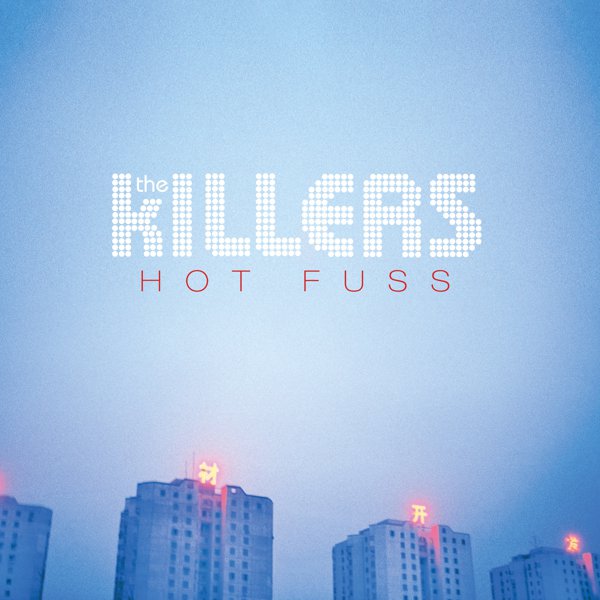
Fashion and rock music would retain traces of old punk and new wave (and, for that matter, the rock and roll revival bands) for at least the next two decades and the idea of ‘indie’ became a particular left-field aesthetic, fully divorced from its earlier connection to independent record labels. These bands almost never enjoyed the success of the popular alternative rockers of the 90s or even their nu-metal contemporaries (The Killers, and maybe Franz Ferdinand and the Yeah Yeah Yeahs were exceptions) but they brought certain old rock and roll notions like brevity, danceability and fun back after being out of fashion for a while.
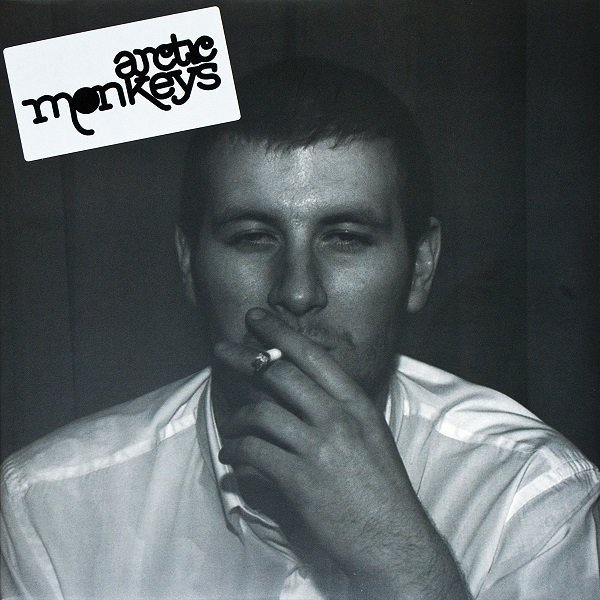
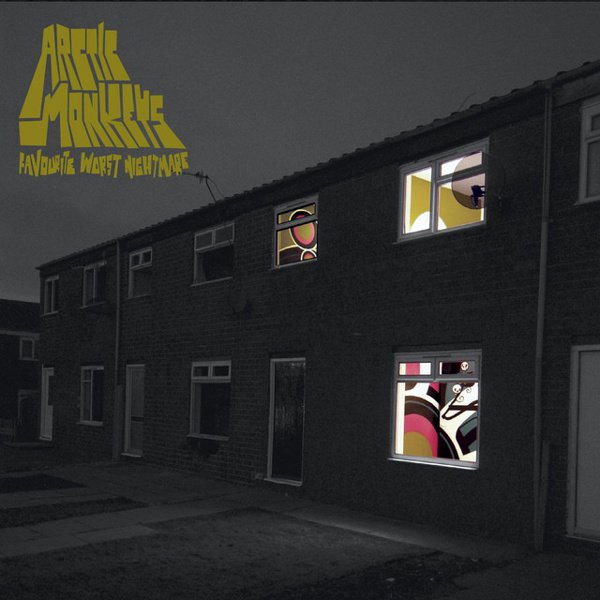
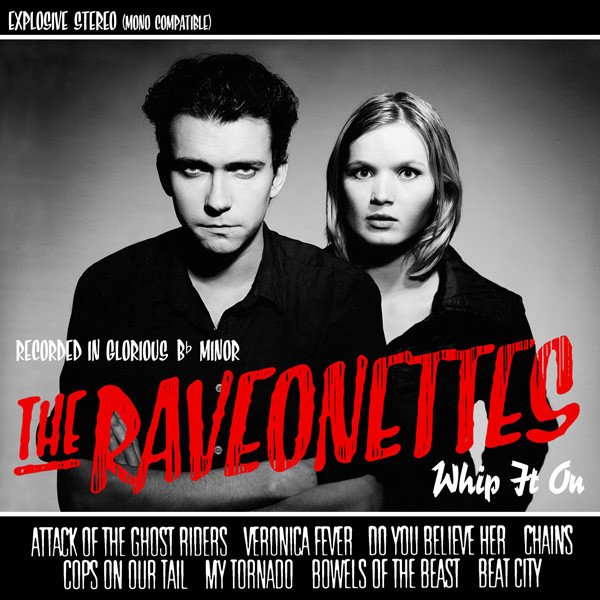
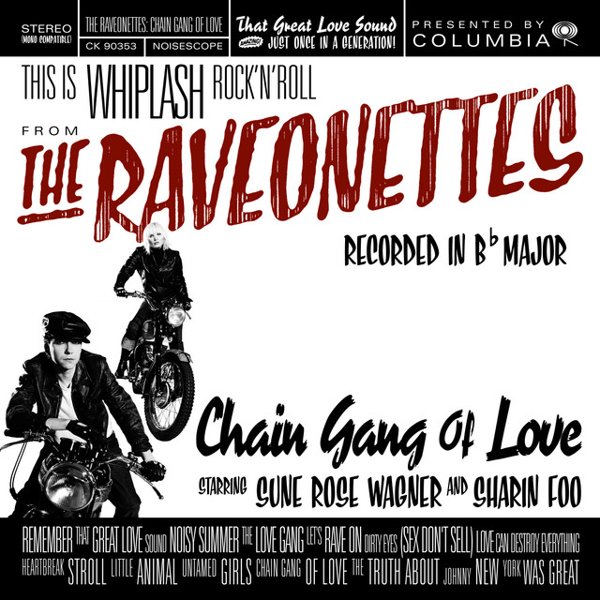
And they did succeed at creating a new canon of stylish, smart rock and roll music that still sounds fresh and is regularly mined for influence by new acts. The Strokes fused gorgeous, yearning melody onto a mechanistic, proto-punk guitar blur. The Hives stripped garage rock down to its skeleton, foregrounding celebratory, cathartic energy. The Raveonettes and Interpol looked to 80s British alternative rock to make a new kind of seductive noir. The Libertines found freedom (and destruction) in the sound of the Hamburg-era Beatles. The period’s deep well of musical riches also held the Yeah Yeah Yeahs, Franz Ferdinand, Arctic Monkeys and The Killers. Yes, these groups could be accused of lacking in originality, and their rise signaled the beginning of the permanent nostalgia that defines much of popular culture today. But they captured the swagger, grit, sexuality and celebration of life that has always powered rock and roll.