
Punk was one of the great cataclysms in music and culture when it emerged in 1976. Defined by what it was against as much as what it stood for, the initial burst of simple and brutal rock and roll music from different scenes in the UK and US only lasted maybe three years but its influence on music, fashion and culture echoes loudly five decades later. Punk divided rock music into a before and after as it kicked against the idea that rock and roll was virtuosic, respectable and safe for mass consumption. It became a sort of shorthand to “rip it up and start again” (as the punk-inspired Orange Juice sang in 1982), an endlessly adaptable idea that meant anytime someone said no and did it their own way, it was punk, which is how in the 21st century, it became easy for movements of all political stripes to claim an affiliation with punk.
Musically, one of the consequences of punk was a reordering of the past. This meant that disparate strands of pop and rock music from pre-1976 were retrospectively canonized as forerunners of punk. At the dawn of punk in 1976, a Rolling Stone buyer’s guide listed The Velvet Underground as art rock (the same category as punk enemies like Pink Floyd or Genesis) and The Stooges as heavy metal. After 1976, there were attempts to shoehorn previously unconnected music from the past into a coherent lineage – proto-punk. An expansive view would include the most aggressive jump blues and rockabilly, but for the sake of an overview, proto-punk begins in the aftermath of the British Invasion on both sides of the Atlantic.
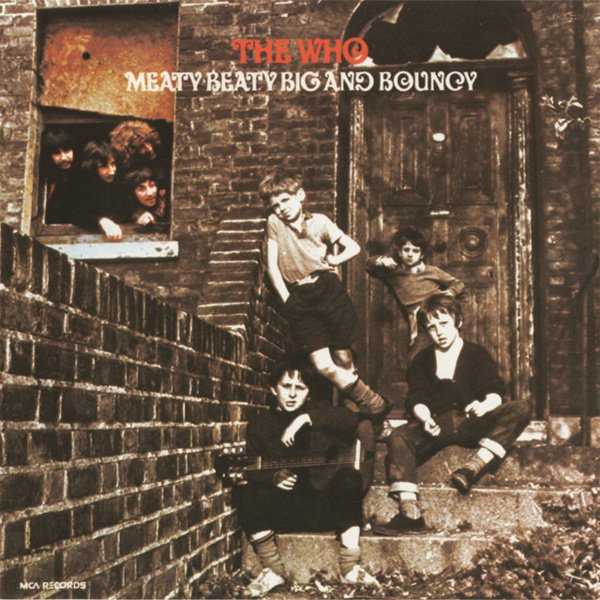
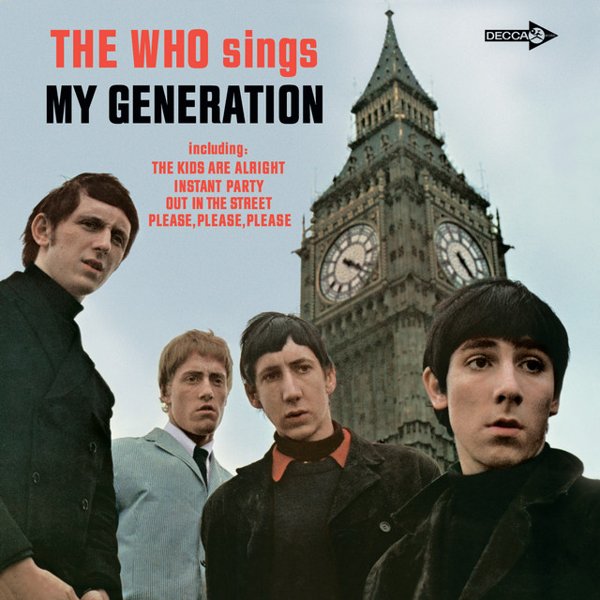
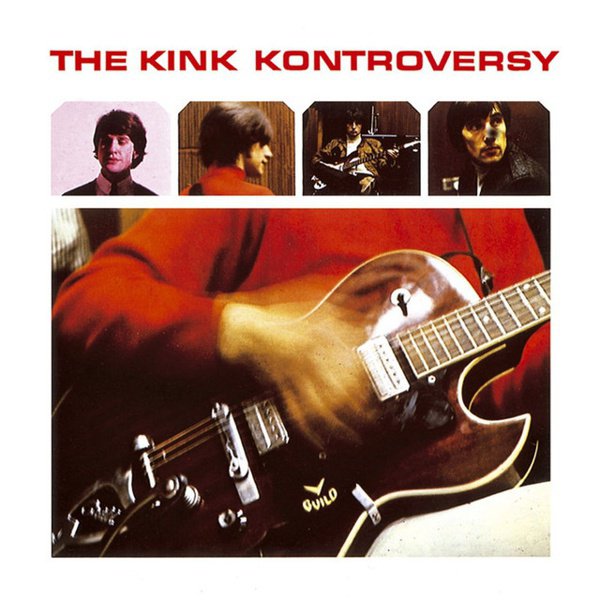
In the UK, groups like The Who, The Kinks and The Creation added noise, distortion and modern art aesthetics to the blues repackaging of the Rolling Stones and Yardbirds. “I Can’t Explain,” a 1965 single from The Who, frames its inarticulate romantic angst around a slashing three-chord guitar riff, while “All Day and All of the Night” uses innovative ripped-speaker guitar fuzz and a level of agitation in Ray Davies’ vocal that would be everywhere in punk a decade later. These bands were related to London’s fashion-forward mod scene and found an analogue in the garage rock that was exploding in the US at the same time.
The Beatles phenomenon inspired countless teens across the country to pick up guitars and drums, but most of these budding musicians couldn’t properly emulate the British bands due to a lack of playing ability, and they compensated by foregrounding the aggression and noise that had always been a hallmark of rock and roll. This is easily heard in “Psychotic Reaction” by The Count Five or “Oh Yeah” by the Shadows of Knight, two very amateurish shocks that use the rhythms and riffs of blues, but a few generations away from the source, it’s a different beast – the beats are stiffer and louder. Its origin in Black American culture had turned into an omnidirectional blast of anger, not at oppression but at the malaise of white middle-class suburbia.
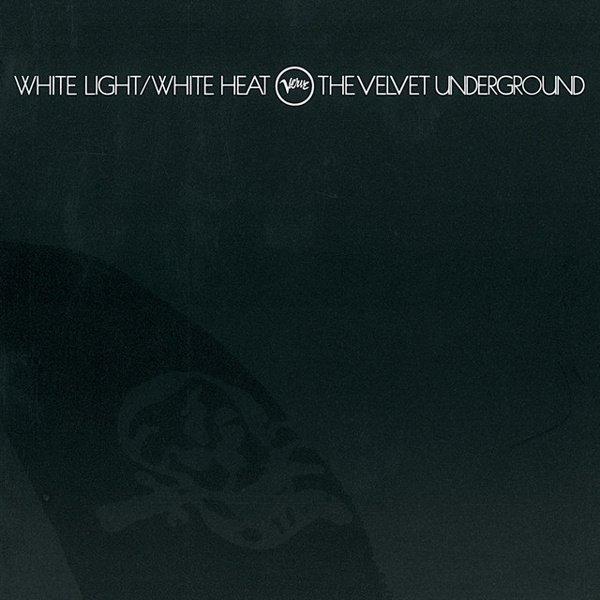
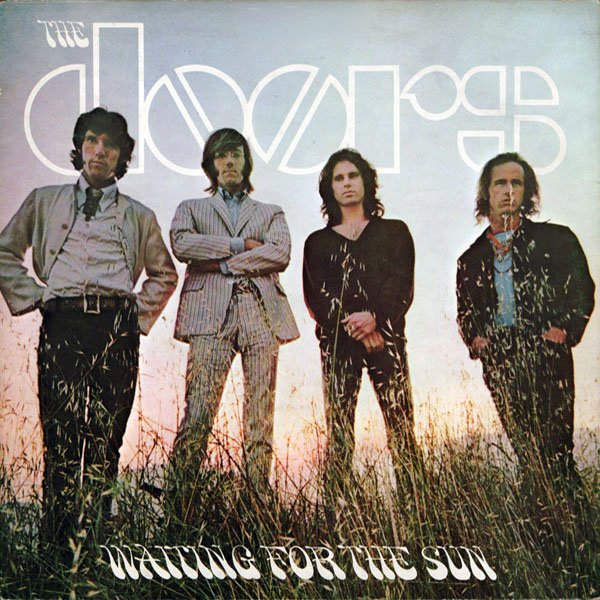
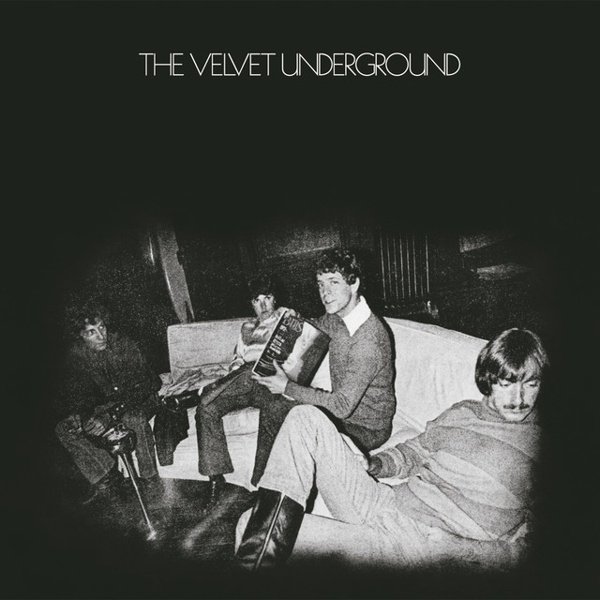
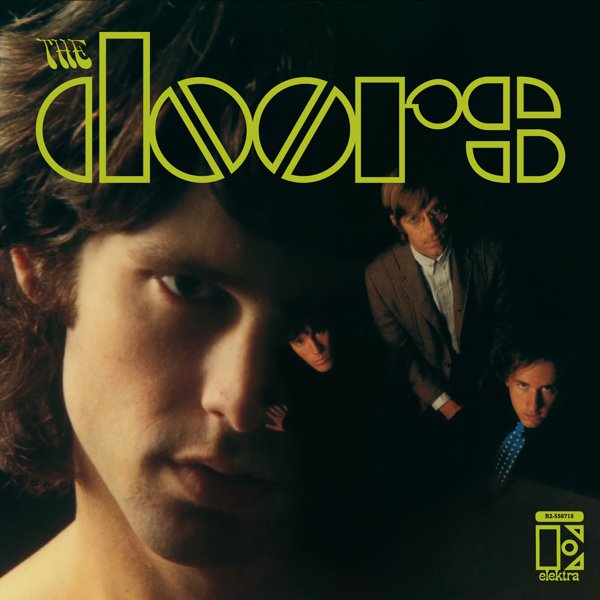
Garage rock evolved into psychedelia, and many of the giants of that era – hippies like The Grateful Dead and Pink Floyd – became foundational stylistic and philosophical opponents of the punks. But The Velvet Underground (from New York City) and The Doors (from Los Angeles) would be two of the most important stops on the road to 1976. The Velvets had the explicit art-world connection of their patron Andy Warhol and treated the minimalism, feedback and drive of the mid-’60s mod and garage rock groups as the core of their music, rather than a byproduct of limited musical ability. Lou Reed added poetic and transgressive lyrics of life on the street and in the gutter to gritty themes of drug abuse (“Run Run Run” and “Heroin”) and taboo sex (“Venus in Furs” and “Sister Ray”), setting the Velvets apart from the cosmic spiritual concerns of most psychedelic bands. The idea was that this concerned the lives of real people and not neo-aristocratic rock stars like The Beatles or The Stones. Jim Morrison, who presented as anything other than an ordinary person, led the Doors. Although their jazz-inspired psych music occasionally had rock’s primal drive (like “Hello I Love You” or “The End”), it was the confrontational persona and air of danger of Morrison that left the biggest impression on future punks.
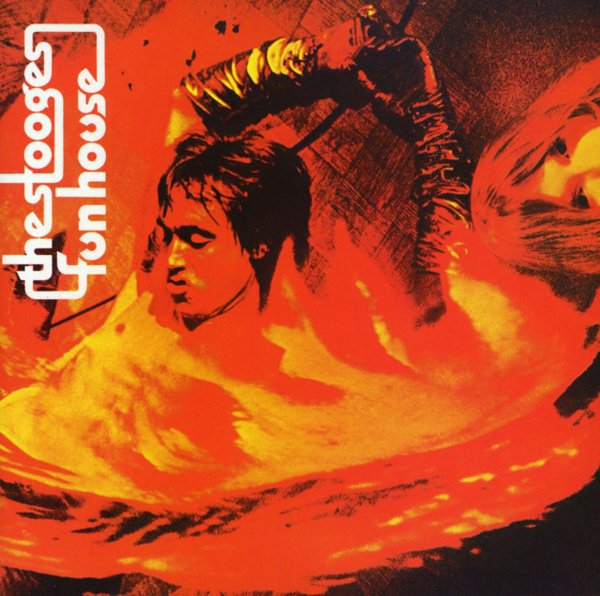
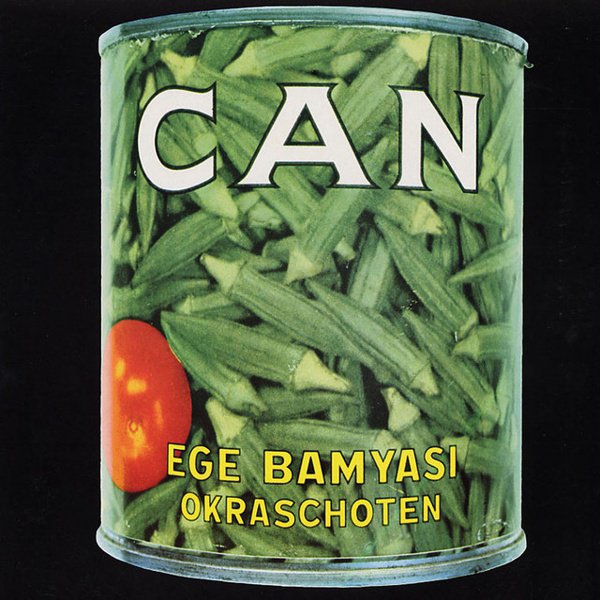
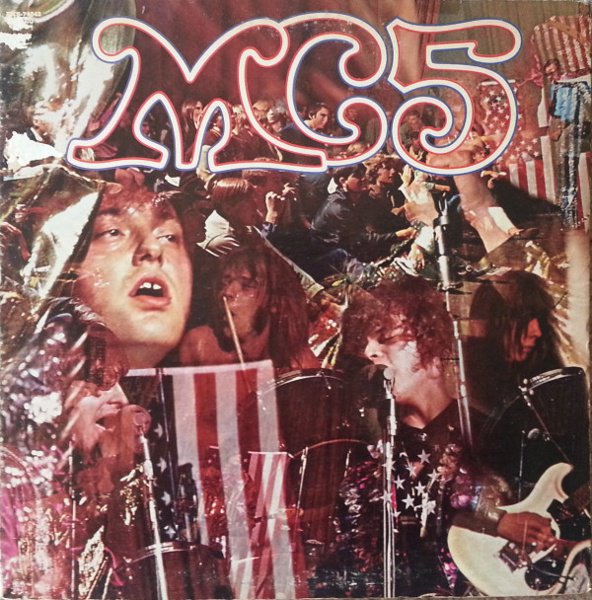
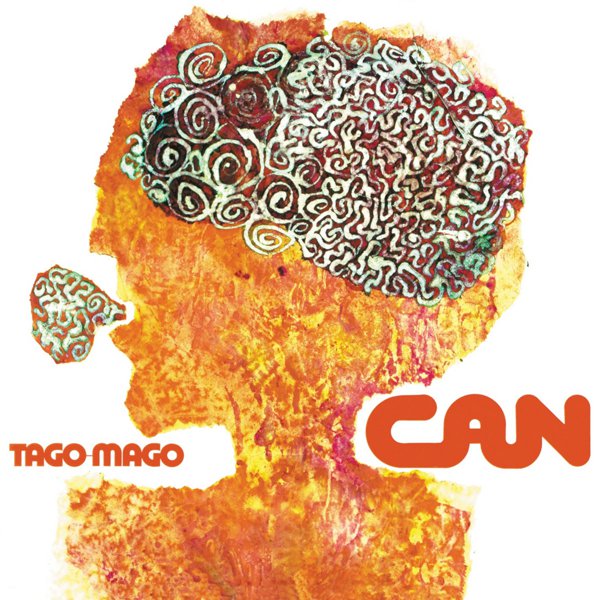
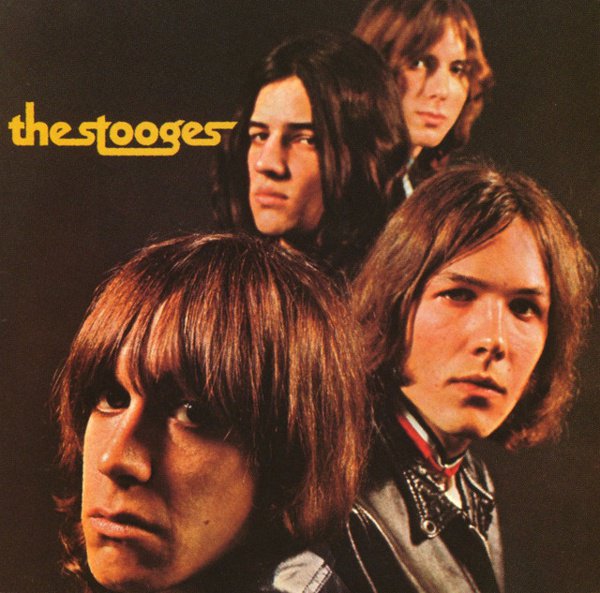
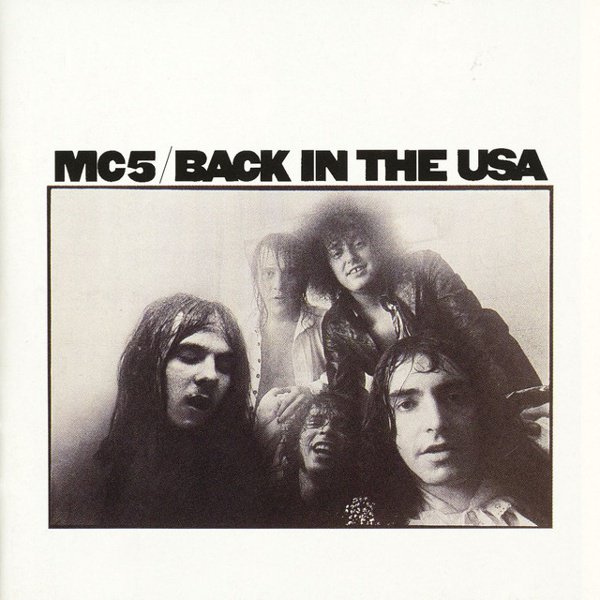
The Velvets were famously ignored during their essentially flawless four-album career, but the albums found their way into the collections of other proto-punk musicians, like Can and NEU! from Germany (who expanded on the droning minimalism and hypnotic rhythms), and The MC5 and Stooges from Detroit (who combined Morrison’s volatile sexuality with Lou Reed’s repetitive, churning guitar riffs). The Stooges’ “I Wanna Be Your Dog” from 1969 is maybe the first time all the elements of punk are in place – the provocative lyrics, the mockingly bored and threatening vocals and the bone-simple shards of fuzzed-out guitar.
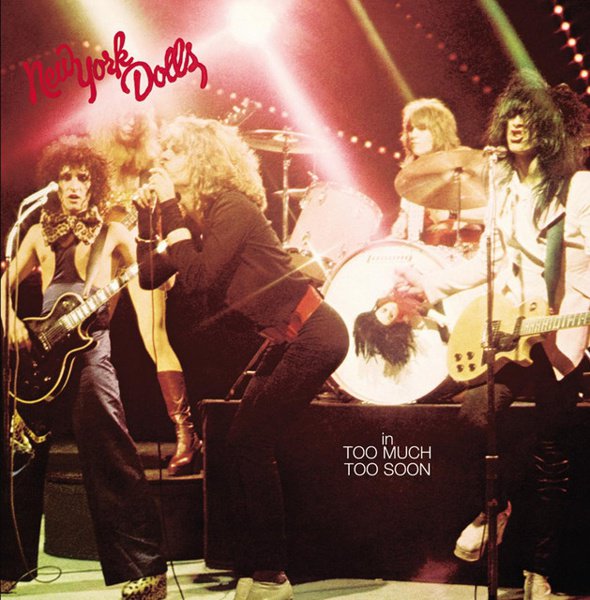
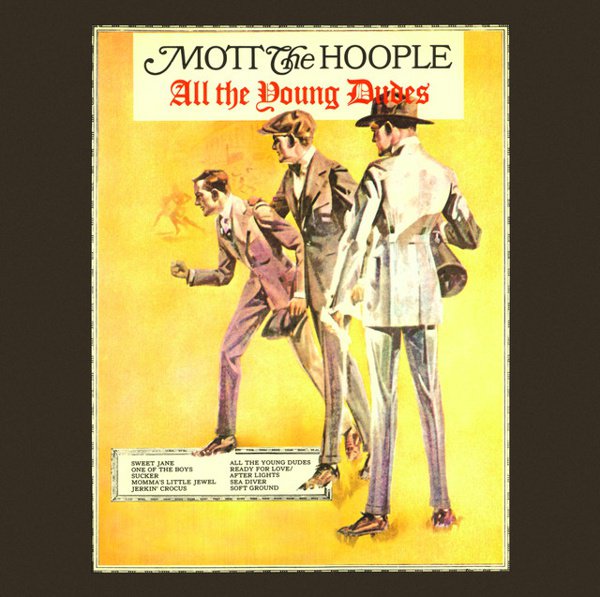
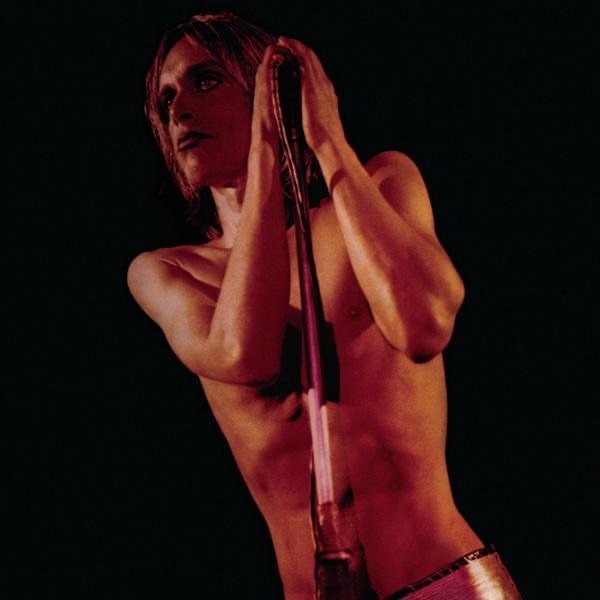
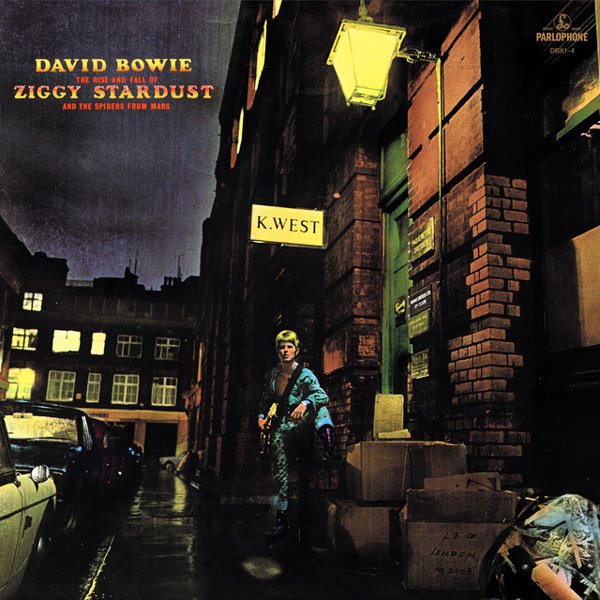
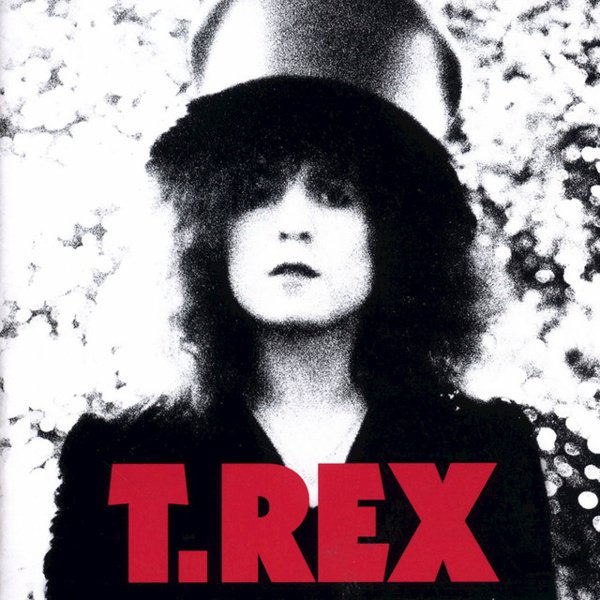
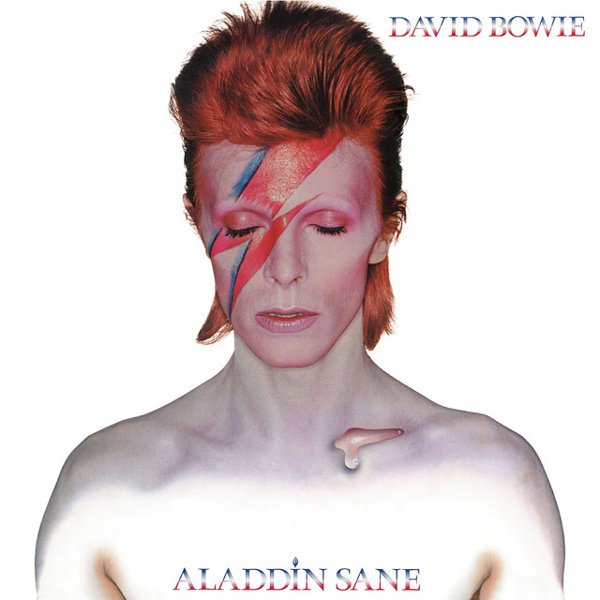
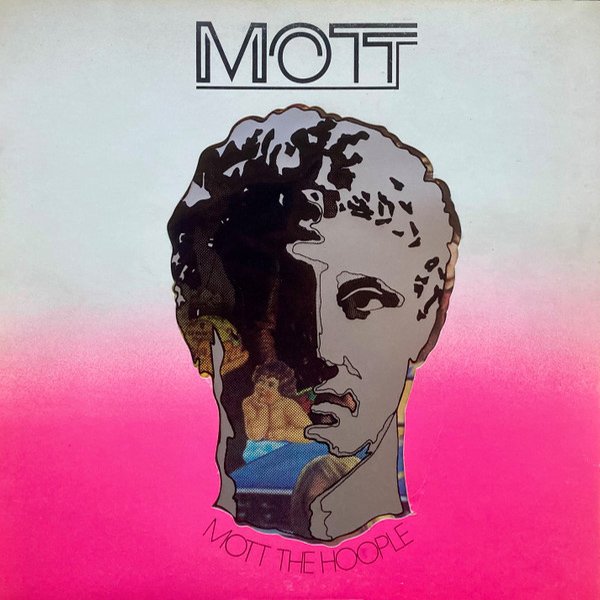
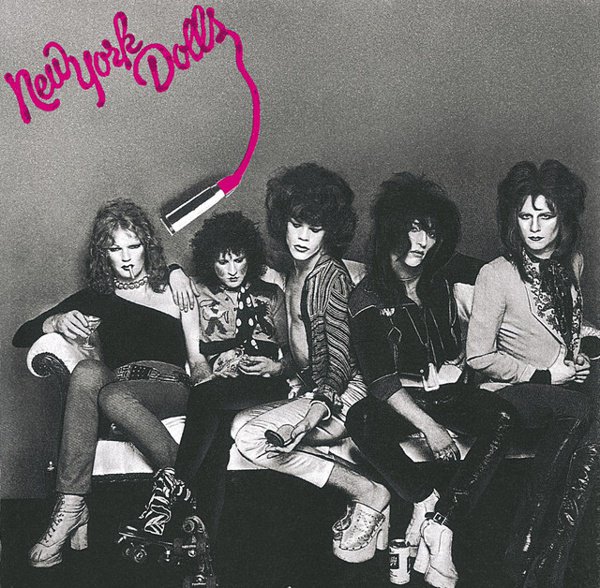
The Stooges would go on to make one of the two albums from before 1976 that sound almost indistinguishable from fully realized punk. Raw Power from 1973, paired with the same year’s debut from the New York Dolls, was stylistically the midpoint between The Stones and the Sex Pistols, but was much closer to the Pistols than any other pre-punk release. Those albums had a lot in common with glam rock, the back-to-basics rock movement from the UK led by T. Rex and David Bowie. Glam rock acts courted controversy and critiqued the artifice of entertainment and culture, and those attitudes were shared with punk music. The glitter rock of Alice Cooper was a close relative in the US. By 1975, glam rock was in decline, but many of its biggest fans – Sid Vicious, Siouxsie Sioux and others – would emerge as first-generation punks. The last mini-movement to happen before punk was the short-lived pub rock craze in the UK, and the simplicity of bands like Dr. Feelgood had plenty in common with punk.
By that time, Patti Smith and the Ramones were playing shows in New York and the Sex Pistols were kicking up a storm in London. There were other strands of music with qualities that later showed up in punk, especially acts like the glam-funk of Betty Davis or the brute force rock and roll of Death. Australia had the Stooges-influenced Radio Birdman, Boston had the propulsive Modern Lovers and Cleveland had a thriving Velvets-inspired proto-punk scene. The seeds of punk were everywhere by the mid-1970s.