












“The use of sounds that exist already is not allowed… No drum machines, no synthesisers, no presets.” This is the very first tenet in UK producer, DJ, composer and musician Matthew Herbert’s Personal Contract for the Composition of Music (Incorporating the Manifesto of Mistakes), a set of rules “intended as a template not a definitive formula”, that go some way toward explaining the extraordinary levels of musical and conceptual innovation in his catalogue.
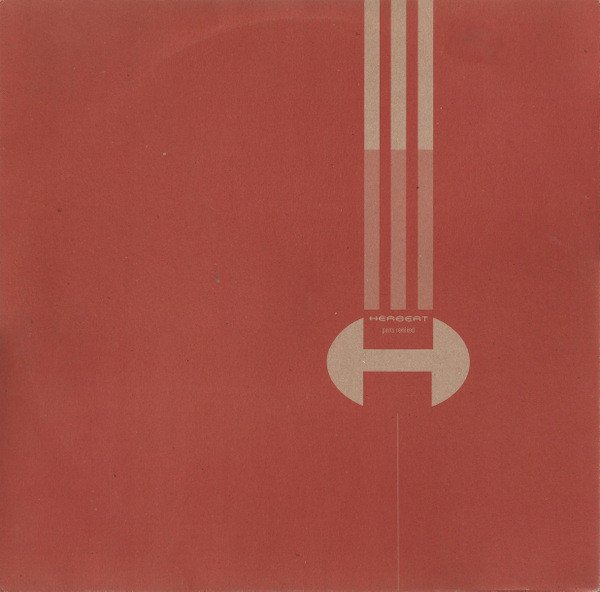
The manifesto was written in 2000 by which time Herbert had already released a series of novel and influential albums under several aliases which had distinguished him as a unique presence in the dance/electronic music world: a producer who made that most predictable genre, house music, in a most unpredictable way, his sound template largely constructed from found sound, field recordings and the sampling of everyday objects, places and situations. His early 12” house releases were highly rated at the time, falling somewhere between the abstractions of Detroit techno, the disco-derived groove of house, and academic experimental forms like Musique concrète, Elektronische Musik and aleotoric music (point 5 in the manifesto: “The inclusion, development, propagation, existence, replication, acknowledgement, rights, patterns and beauty of what are commonly known as accidents, is encouraged”).
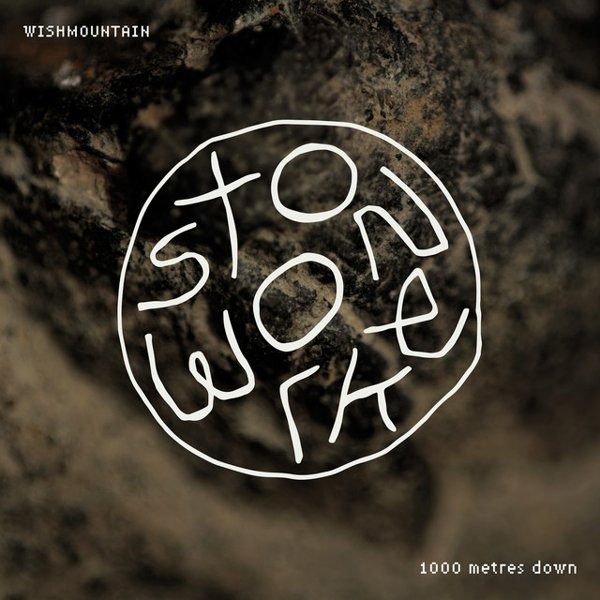
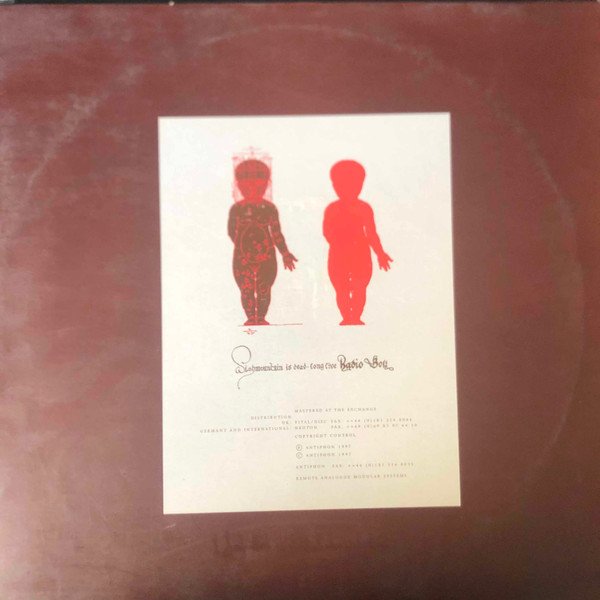
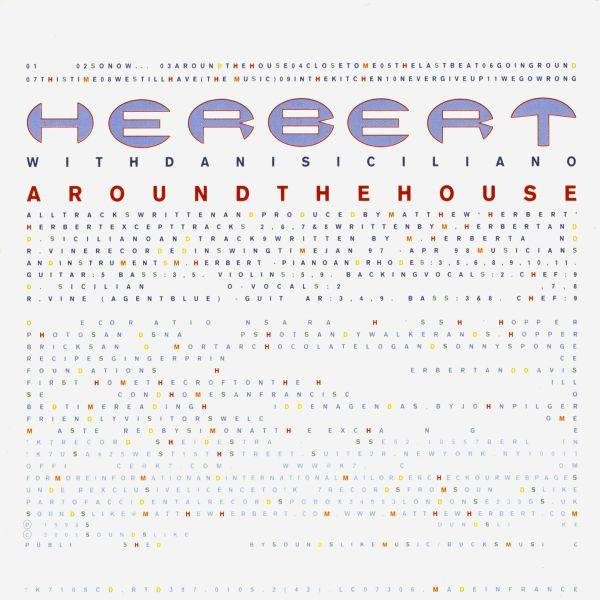
Herbert never uses sampling to recreate or reminisce; instead, he always uses it as a source to create something new, and his music quickly moved beyond his mid-90s deep house debut, blossoming in multiple directions. Recording under numerous names, including Herbert, Doctor Rockit, Radio Boy, Wishmountain, and DJ Empty, he released jazz, electronica, disco, classical, big band swing jazz, torch songs, and all sorts of experimental and avant-garde hybrid experiments and combinations. His early ‘90s Wishmountain albums explored the limits of experimental techno, pushing a single rhythmic or sampled idea in a single direction, distilling it down to produce stark, purified, atonal skeletaltronica, while his simmering, soulful, highly distinctive debut album is still considered a deep house classic. As Radio Boy, Herbert made highly edited sample collages and dance music-related soundscapes, the song titles of which - “Oil,” “Coca Cola,” “Henry Kissinger,” “Nike” - demonstrate a left-leaning political stance that would be present in much of his work.
Albums related to house, disco and jazz followed, but with music constructed from sounds that make up the food chain, or made from instruments crafted from a horse skeleton, or played on used bullet cartridges, each project underpinned by engagement with difficult subjects including western imperialism, the global food chain, the 21st century’s oil wars, consumerism, and the environmental crisis, and accompanied by rigorous self analysis that wrestled with the ethics of, for example, using the sounds of war to create music. And while Herbert’s albums are conceptual, the concepts tend to act as a focus, creating a particular niche to explore rather than overshadowing the music, and in plenty of them, the source of his sounds isn’t obviously apparent until the listener reads the sleeve notes.
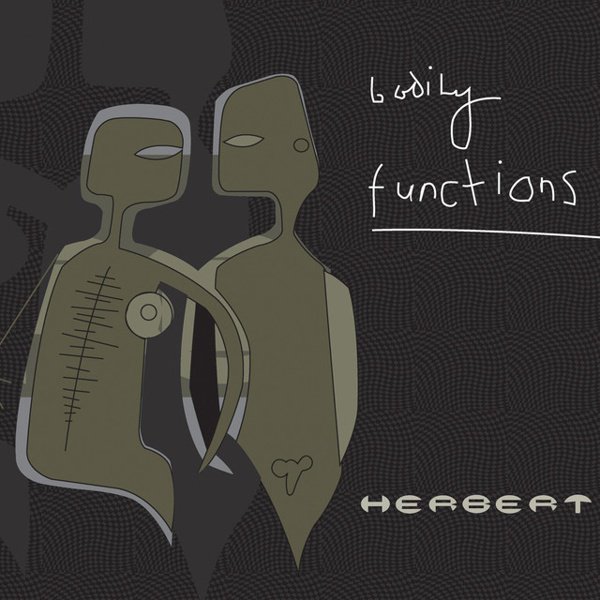
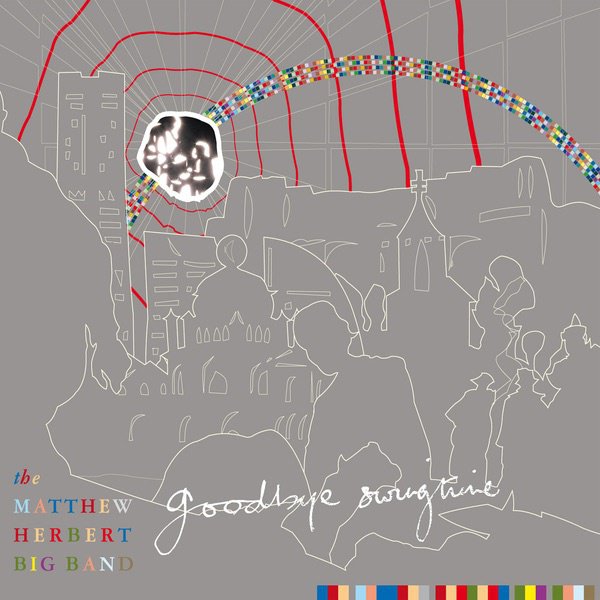
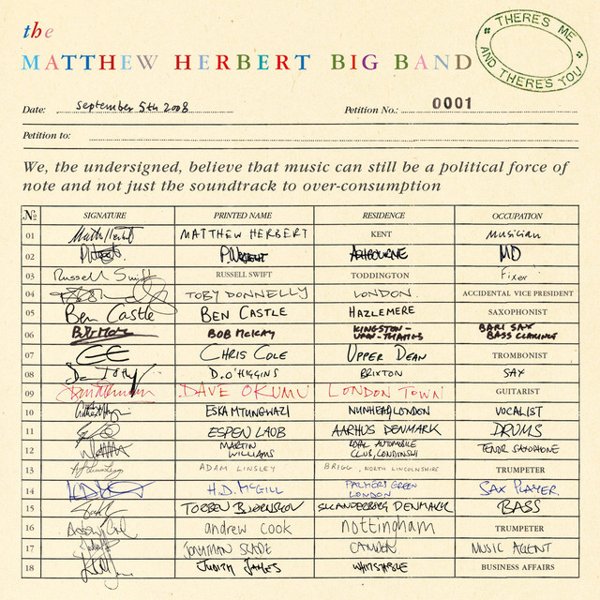
In the 2000s Herbert released some of his most famous and commercially successful albums including the beautiful Bodily Functions, a musical account of failed relationships and loss of innocence told via samples of the human body: blood travelling through veins, the sound of the digestive tract, and the manipulation of skin and hair, and Scale, another house/disco-adjacent triumph, its sweet melodies and lightweight bounce contrasting with its subject matter of war, terrorism and US imperialism. In 2003 he launched Matthew Herbert’s Big Band, its four saxes, four trumpets, four trombones plus piano and rhythm section a source of gloriously rich 1930s/40 swing jazz, which was then put through the Herbert sampling process to produce a brand new swing-big band sample cut-up hybrid, casually redefining what ‘could’ exist within electronic and dance-related music, while deftly integrating genuine jazz playing into a contemporary sample-based format.
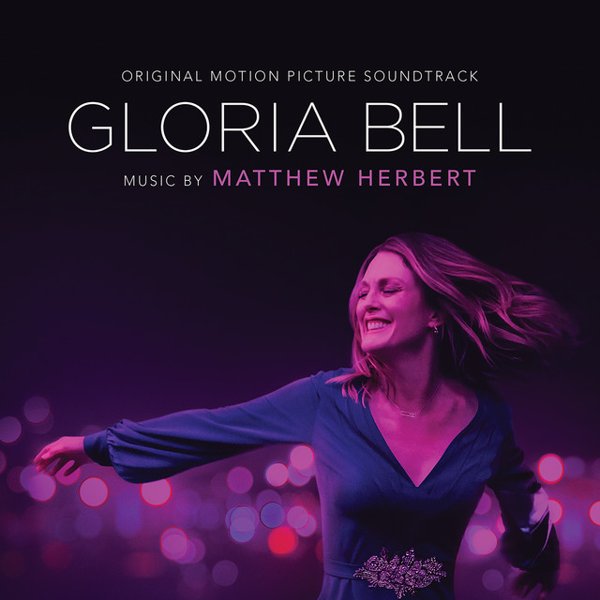
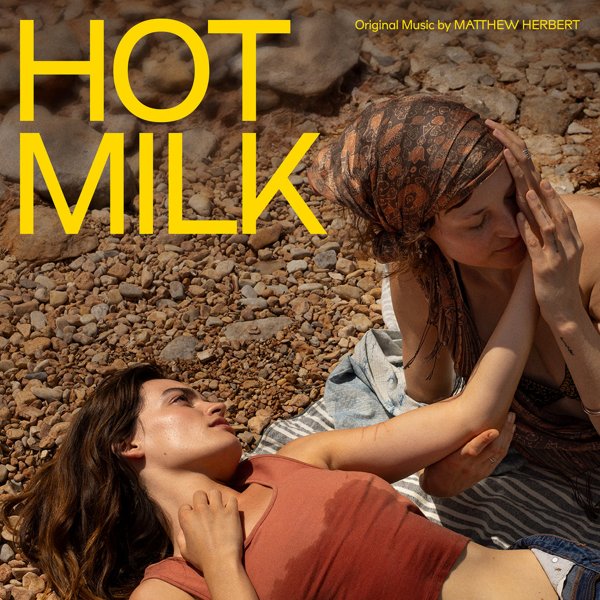
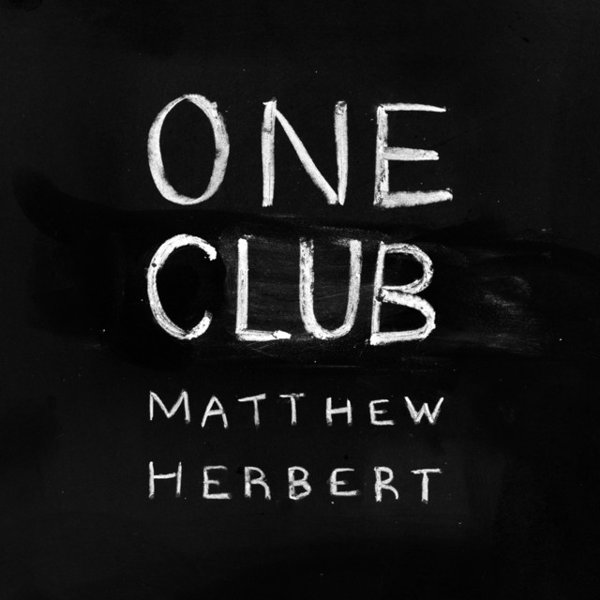
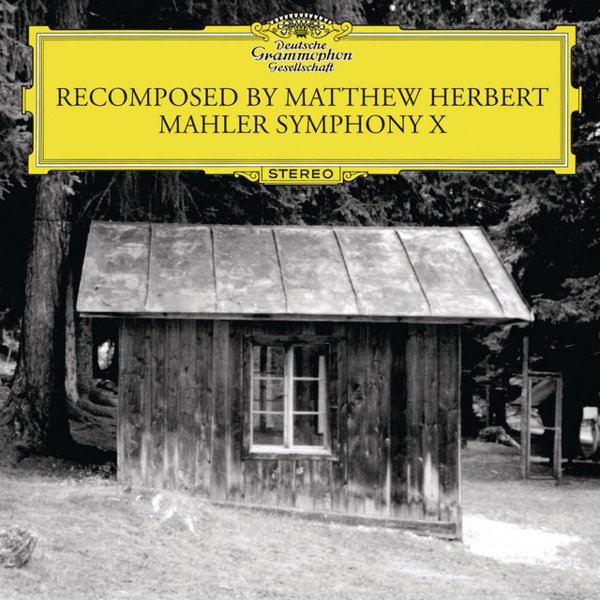
The 2010s saw Herbert increase his film and TV soundtrack composition work, having started the decade with a trio of innovative albums in 2010/11: One One, the story of a single day in his life, One Club, created exclusively from sounds sampled in. a single evening at a German nightclub, and One Pig, produced from sounds from the lifecycle of a single pig. In the same period, he also recomposed Mahler’s 10th (unfinished) symphony, re-recording parts of the work and applying his sampleology strategies and electronic studio tactics to create a singular blend of the orthodox classical music palette and contemporary sonic abstractions.
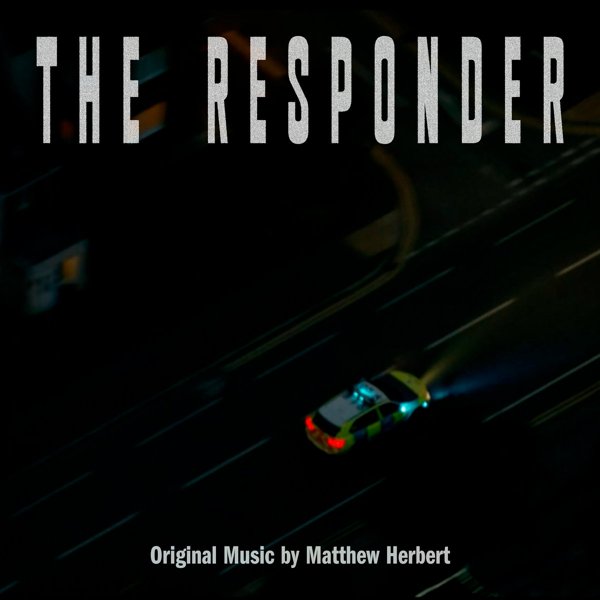
Outside of his own many productions he’s an impressive CV and has remixed artists including Quincy Jones, Björk, REM, Serge Gainsbourg, Yoko Ono, John Cale et al, composed numerous major film and TV soundtracks, runs several record labels, DJs, puts on events and radio programmes, published his debut book in 2018, and in 2012 became creative director of the BBC Radiophonic Workshop. Herbert has recently completed his PhD and at the time of writing, his website reports that he’s working on a project based on hearing over one billion sounds.
Matthew Herbert’s ever-expanding catalogue explores musical places few have been to previously, which results in music that’s sometimes intense and extreme, sometimes clever and intriguing, sometimes tender and beguiling, but always worth engaging with.