
Blood and Fire

Multi-platinum rock star largesse can manifest in any number of ways –from buying a castle or yacht to owning a race horse– but for some it’s the rare chance to give back to the music that first inspired them. In the case of Simply Red’s singer Mick Hucknall, he and his manager wanted to big up the vital legacy of Jamaican music with a roots reggae reissue label. And who better to helm this endeavor than renowned British reggae writer, journalist, historiographer, and archivist, Steve Barrow? Together with another singer, Bob Harding, Barrow, Hucknall (and Hucknall’s managers Elliot Rashman and Andy Dodd) established the Blood and Fire label in 1993.

In hindsight, it’s hard to recall a time when there wasn’t deep reverence for the deep bass of Jamaican music, but that wasn’t always the case. Outside of the multi-platinum Bob Marley reissue industry, the rest of the music pumping out from that Caribbean nation could look roughshod and circumspect when encountered in shops. Delve into the murky realms of dub reggae and it got even more obfuscated. The album artwork of crucial dub albums might look like it was hand-drawn in five minutes. And the song titles on the back cover rarely corresponded with what was on the record label, much less aligned with what was actually pressed onto the vinyl itself. Only the most diligent of historians could sort out such recording info as dates and players or even the artists themselves. 

As Simon Reynolds recalled in Retromania: “Reggae reissues had generally been shoddy affairs with ugly packaging, no information and dismal sound…Blood & Fire set itself apart by its careful sound restoration and attractive vintage-aura artwork.” Which is where Barrow stepped in with his detailed notes for each Blood & Fire release. In a musical universe where who sang or played in the band was not quite the x-factor as was who was seated behind the board as producer, figures like King Tubby, Lee “Scratch” Perry, Prince Jammy, and Scientist, factored heavily into the head-swimming sounds found within. But it wasn’t always easy to tell who was the dread at the controls. 

As Barrow put it, the original intention of Blood & Fire was to elevate one producer to his rightful place in Jamaican music: “We think that King Tubby is one of the most important figures this century, so indirectly the catalogue celebrates King Tubby and his contribution. We think that King Tubby is probably more important than Bob Marley,” he said in an interview. “The majority of the Blood & Fire catalogue went through King Tubby’s [studio]. There are exceptions but, by and large, most of those records were mixed by King Tubby or one of his pupils, and they were voiced there.” 

When B&F was first established, it had been roughly four years since Tubby’s senseless murder during a robbery outside his home in Kingston and his contribution to Jamaican culture was in peril of being erased by the new sound of dancehall. By the early 1990s, it was becoming clear that Tubbys’ legacy would ring out across future generations. His pioneering usage of reverb, echo, phasing, and delay was unparalleled, his handiwork revealing multiple universes hiding in plain sight on the multi-track tape. With his hands on the control knobs, entire soundworlds could emerge between the one and two in the rhythm section. Singsong melodies and vocal hooks could get vaporized, but the steady pulse of the bass and drums would keep you rooted in the ground, your head in a cloud of smoke, your feet shuffling on the dancefloor. 

In the music world at large, dub reggae was beginning to infiltrate and mutate other musical forms. In the dance music underground, the head-expanding use of delay and reverb was hypnotic, while the bass-forward sound that Tubby, Jammy, Scratch, Niney the Observer, Keith Hudson, and others championed could be heard in new forms like trip-hop and downtempo. Drum-n-bass is impossible to imagine without the trailblazing productions of King Tubbys. Early electronic groups like the Orb relied heavily on the spatial-warping properties of dub reggae and utilized such strategies for their own squishy, giggly, psychedelic version of head music. Post-rock groups in the US and UK were also cribbing from dub in exploring how simple instruments like guitar, bass, keyboards, drums could open up entire new vistas to explore. It also didn’t hurt that alternative hip-hop icons the Beastie Boys put out a magazine featuring Lee Perry on the cover, giving suburban skater kids a chance to bypass their older sister’s copy of Legend and proceed directly to these deep bass frequencies. 

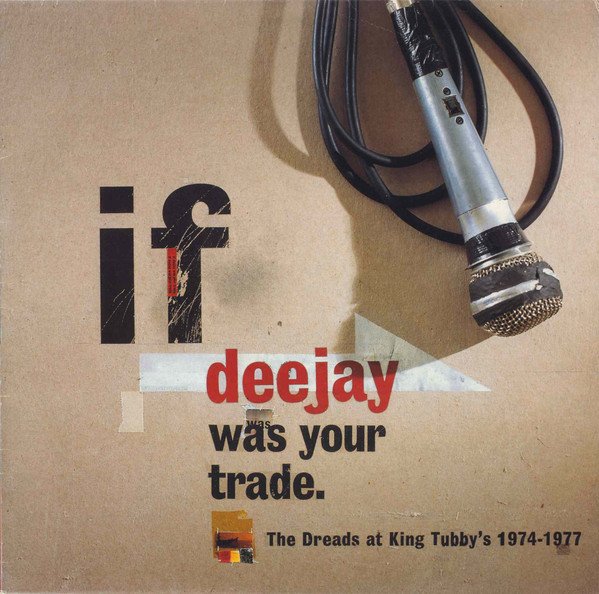
To say nothing of New York City’s hip-hop lineage stemming directly from the Afro-Caribbean diaspora and the urban sonic disruption of Jamaican soundsystem culture. Blood & Fire efforts laid bare that direct connection with their very first release, a compilation entitled If Deejay Was Your Trade (The Dreads At King Tubby’s 1974-1977). And each subsequent reissue revealed another new aspect of Jamaican music otherwise obscured by the white sands of that Caribbean isle. 

The label brought back into print outright classics of the form like the Congoes’ Heart of the Congos, Burning Spear’s Social Living, Horace Andy’s In the Light, and Max Romeo’s Open the Iron Gate, while also bringing back to light some other reggae greats who hadn’t made inroads in the west (Keith Hudson, Yabby You). The label also championed lesser-known lights like Jah Stitch, Prince Alla, Sylford Walker, U Brown, and Ranking Joe. And on every reissue was an exhaustive essay full of trenchant insight and knowledge, artist quotes, and observation giving further insight into the time and places that birthed this music, usually penned by Barrow himself.

Just as crucial for Blood & Fire’s mission of preserving this music was presenting it in the most visually arresting manner possible. B&F cover art might feature burlap, splintered wood, coiled wire, broken glass, palm fronds, or corrugated tin, these coarse materials paying homage to the impoverished conditions in the slums of Kingston that gave birth to so many of these singers and musicians and producers. Tastefully layered with artist photos and creative usage of the original cover art whenever possible, these visual textures amplified the raw productions within. It also imparted a three-dimensional feel to Blood & Fire’s eye-catching cover art, suggesting that the music within could seem to move spatially in 3D as well.

Such iconic design work also transformed the presentation of reissues going forward, suggesting a fealty to the original designs while similarly moving it forward. The label was going strong into the 21st century, before the bankruptcy of their American and French distributors made daily operations all but unmanageable. But much like the earthquake bass and hissing hi-hats of a classic King Tubby dub, the sounds that B&F championed continue to reverberate into the present.

Andy Beta

If Deejay Was Your Trade (The Dreads at King Tubby's 1974-1977)

Various Artists
If Deejay Was Your Trade (The Dreads at King Tubby's 1974-1977) cover

Blood & Fire’s first release encapsulated their mission statement. At a time when Bob Marley and the Wailers were just beginning to put Jamaica on the map and sending waves across the international music scene, this set captures the daily proceedings at Osbourne “King Tubbys” Ruddock’s home studio. That studio was modest by modern standards. In fact, Tubbys didn’t record live bands there, instead taking existing multitrack master tapes from other studio sessions and processing them through his 12-channel, custom-built MCI mixing desk. Young and hungry up-and-comers could step to the mic and toast on top of the riddims Tubbys was putting to tape there. This set features early efforts from the likes of Dr. Alimantado, Dillinger, and Prince Jazzbo atop these spare, tough instrumentals.

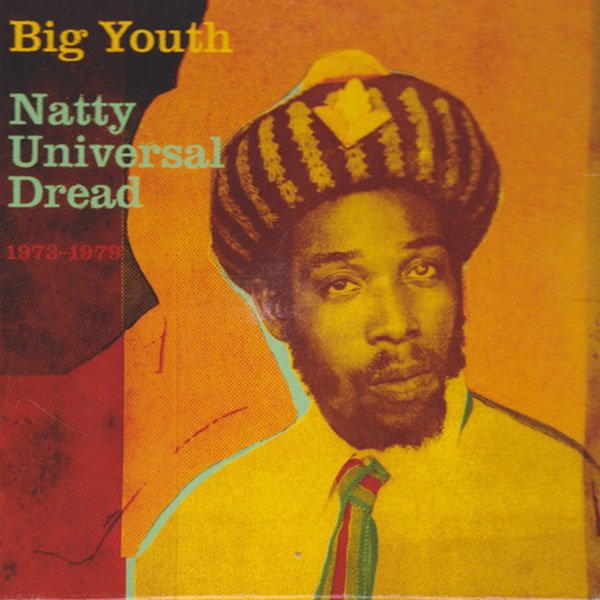
Natty Universal Dread 1973-1979

Big Youth
Natty Universal Dread 1973-1979 cover

At the time of its release, Blood & Fire’s multi-disc survey of Big Youth’s ‘70s sides was their most ambitious undertaking to date. As this lovingly assembled 51-song box set Natty Universal Dread 1973-1979 can attest, Big Youth was a major force on Jamaican music and this set does its best in capturing a figure (born Manley Augustus Buchanan) who was as much an influence on the Jamaican deejay tradition as he was on UK punk and American hip-hop. Across the first disc, B&F collects early sides he cut for both Joe Gibbs and on his own Negusa Nagast label. Already, the careening, empowered deejay was pontificating at his leisure. As one moves through this set, Youth’s heady blend of trenchant political observation, loverman purrs, Rastifarian thought, and unchained crooning take hold, and peak Big Youth can still make you feel word-drunk each time he steps up to the mic. He testifies like a fire-and-brimstone preacher one minute, shouts for Marcus Garvey the next, then sings like a drunk uncle on “Hit the Road Jack” and “Sugar, Sugar.”

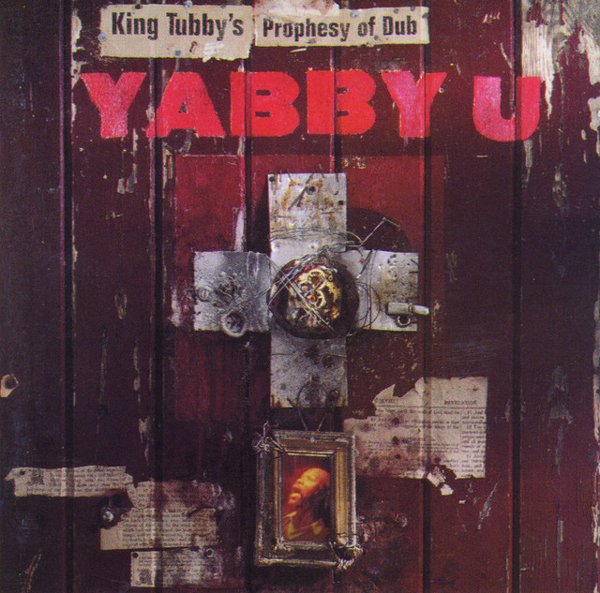
King Tubby's Prophesy of Dub

Yabby You
King Tubby's Prophesy of Dub cover

Vivian Jackson tasted early success in 1972 with a song released under the name Conquering Lion. But it was the chanted chorus of “Yuuuu Yabby-Yabby You” on the dub plate that ruled the soundsystems that year that gave him his name. And throughout the 1970s, Yabby You worked closely with that dubplate’s producer, King Tubby. King Tubby’s Prophesy of Dub may have scraped off all of You’s thunderous vocals, but his heavy presence can nevertheless be felt, even as the brief blasts of brass and stinging guitar licks ring out. You was that rare dread who hailed Jesus over Haile Selassie I, which B&F slyly pays tribute to with a cover design that evokes the holy cross.

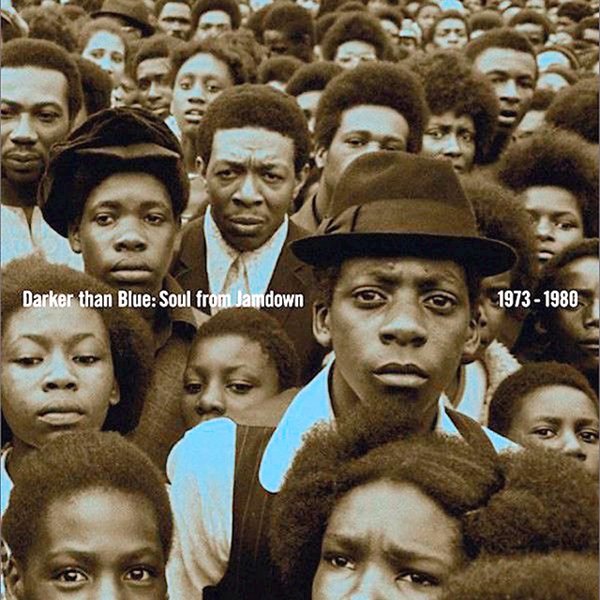
Darker Than Blue: Soul From Jamdown 1973-1980

Various Artists
Darker Than Blue: Soul From Jamdown 1973-1980 cover

The musical bonds between Jamaica and the States are deeply entangled. Ska was born out of hearing New Orleans R&B beamed across the Gulf of Mexico, New York’s disco remixers took inspiration from the myriad effects of dub, while the best hip-hop producers of the ‘90s always had an ear tuned to Jamaican dancehall. To say nothing of how many times the stinging guitar lick that opened Al Green’s “Love and Happiness” got re-purposed on a reggae tune. This crucial compilation shows just how deep the island’s love of American soul runs, these island covers offering a mirror back to the mainland. Slinky, steady-moving, and funky versions of hits for the likes of Syl Johnson, Bobby Bland, Curtis Mayfield, and Bill Withers recast them in warm sunshine. And the Tamlins’ Sly & Robbie-powered version of Randy Newman’s “Baltimore” proves just how powerful the synergy between these two cultures can be.

Forward The Bass (Dub From Randy's 1972-1975)

Impact All Stars
Forward The Bass (Dub From Randy's 1972-1975) cover

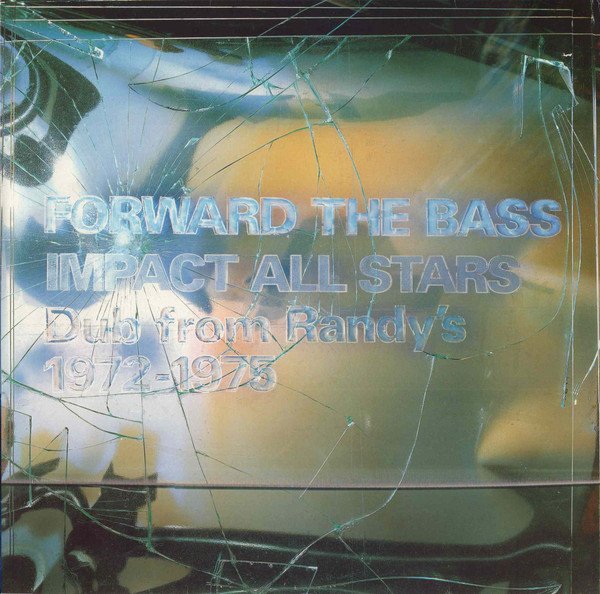
Owned by Vincent “Randy” Chin, Randy’s Studio 17 should be considered in the upper echelon of Jamaican studios. Lee Perry recorded a young Wailers there and Burning Spear cut his seminal Marcus Garvey there. House engineer Errol “E.T.” Thompson is responsible for the dark, sticky dubs collected on this set, released in a ludicrously small edition back in 1976. B&F’s striking cover image of cracked glass feels appropo here, as E.T. pushes everything to the breaking point. Bass throbs in the red throughout. The classic “Java” riddim gets blasted with nyabinghi drums on one pass and has an organ croaking like a toad on another. Best of all is when the fourth wall gets broken on “Ordinary Version Chapter 3” and the engineer’s tutorial on how to bring in the different sonic elements is overheard.

In Dub

Tappa Zukie
In Dub cover

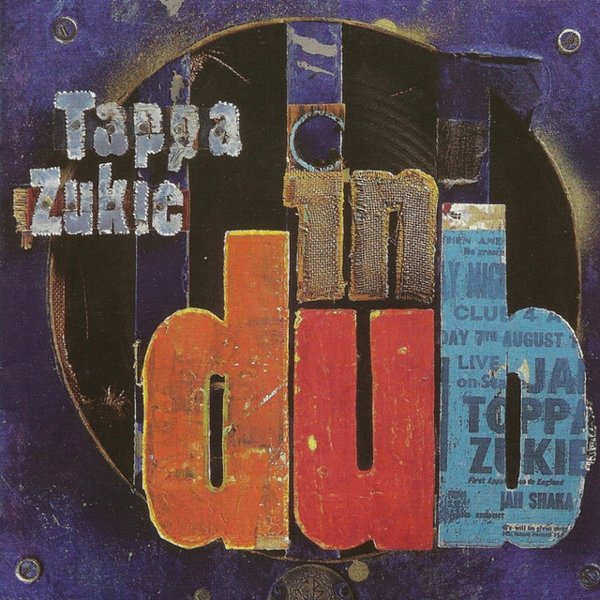
David “Tappa Zukie” Sinclair is a triple-threat in Jamaican music, a major talent as singer, producer, and dubmaster (he’s also the only reggae artist to share a label with Patti Smith and have a Robert Maplethorpe cover). The full toolkit is evident in this dub set. Pressed in a miniscule 300 copy run when Zukie was barely 21, it features Zukie voicing a set of riddims from Bunny ‘Striker’ Lee. Barely old enough to drink, Zukie turns upstroked guitar strums into slashes, thickens the bass until it wobbles like a jello mold, and cooks the snare and hi-hat until they sizzle like steak.

Pick a Dub

Keith Hudson
Pick a Dub cover

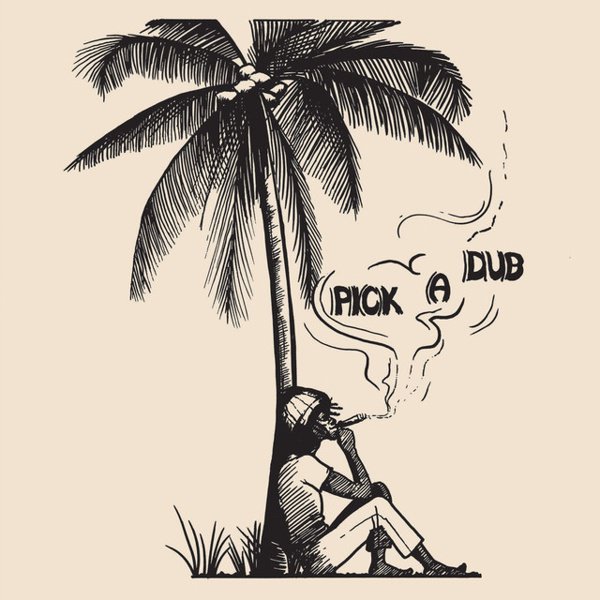
By the early 1990s, a figure like Keith Hudson was on the verge of fading away into obscurity. Roughly three years after Bob Marley’s untimely passing, Hudson himself succumbed to cancer, further shrouding his musical endeavors, such as cutting one of the earliest dub albums with 1974’s Pick a Dub. And like those initial dub documents, Hudson didn’t need multiple effects or extraneous sounds to make the music concuss. Emphasizing the taut interplay between the brother team of “Family Man” and Carlton Barrett (who also powered the early Wailers albums) and Soul Syndicate, Hudson’s sound was tough, lean, and pliant. 

Social Living

Burning Spear
Social Living cover

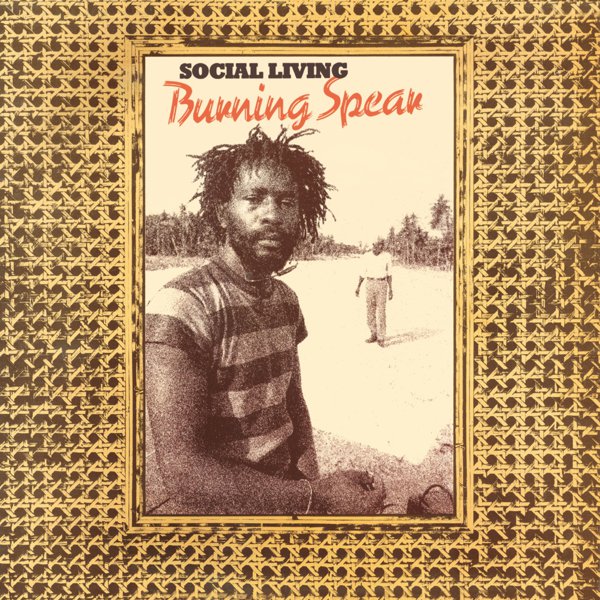
Much like another St. Ann’s Bay native, Winston Rodney followed in the footsteps of Bob Marley and began his recording career with Sir Coxsone Dodd, taking the handle Burning Spear (in homage to Jomo Kenyatta, the Mau Mau leader and future president of Kenya). From jump, Burning Spear’s music was a heady blend of social awareness, Black history, righteous anger, concepts of repatriation, and Rastafarian devotion. By the time of 1978’s Social Living, he was one of the island’s biggest reggae stars, his forthright messaging of Rastafarianism and Marcus Garvey-indebted Pan-Africanism on full display (four of the twelve titles cite Garvey by name). This B&F reissue presents the more bass-forward JA mix, with Spear’s delivery closer to that of an incantation than crooner, full of world weariness and righteousness. 

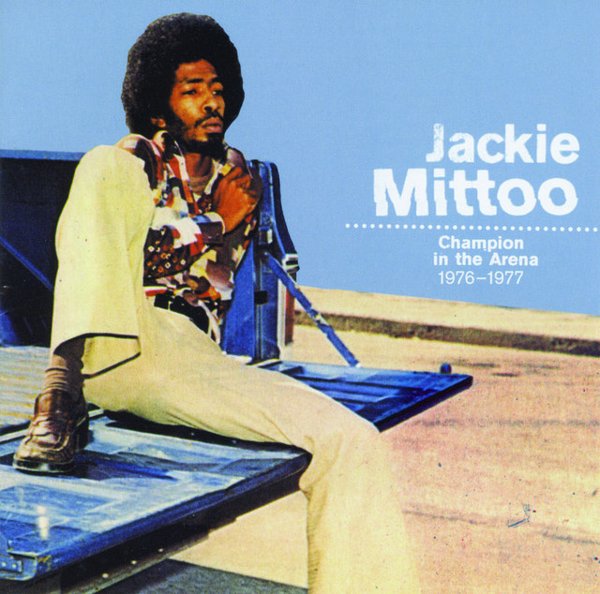
Champion in the Arena 1976-1977

Jackie Mittoo
Champion in the Arena 1976-1977 cover

Had he only been a founding member of the Skatalites (and foundational to the music being shaped at Sir Coxsone Dodd’s studio), Jackie Mittoo’s legacy would be assured. But he also helmed groups like Sound Dimension and the Soul Vendors and worked with before moving up to Canada in the early 1970s where he would remain until his untimely death in 1990. The solo music that Jackie Mittoo rendered north of the border gets reconsidered on Champion in the Arena. Utilizing electric organ and early synthesizers, Mittoo recasts some of his earliest hits in a “hotel lounge friendly” style. Perhaps not a crucial “best of” of the man, Champion does offer a fascinating glimpse of Mittoo amid the shifting sands of musical tastes, showing how reggae could cross-pollinate with funk, soul, pop, and easy listening.

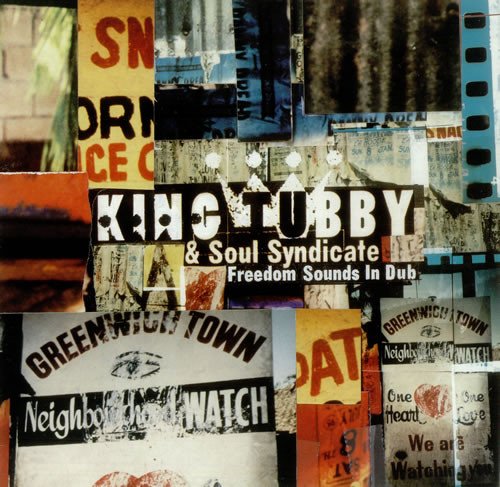
Freedom Sounds In Dub

King Tubby, The Soul Syndicate
Freedom Sounds In Dub cover

The in-demand Soul Syndicate band couldn’t fit inside of Tubby’s home studio, but when Tubby began to dub out some of their sessions cut for the Greenwich Town Freedom Sounds label, the results were a match made in dub heaven. Freedom Sounds in Dub culls fifteen B-sides from 1976-1979 and Tubby roves with the freedom to take the music to the furthest reaches of outer space while also dropping the floor out from under you. Bass hits open up huge sinkholes and reverb breaks suggest a zero gravity state. By turns dark, playful, and psychedelic, Freedom Sounds is an easy entry point into Tubby’s unfettered soundworld.

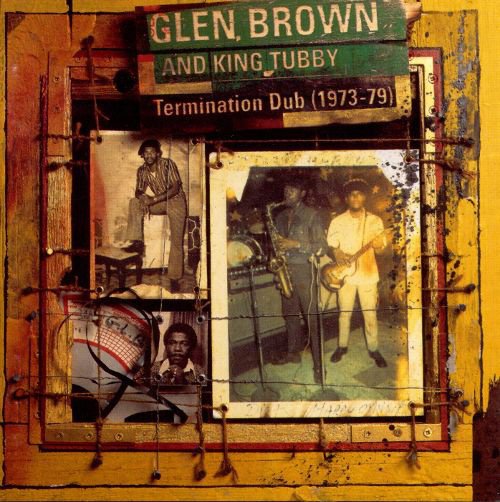
Termination Dub

Glen Brown, King Tubby
Termination Dub cover

Glen Brown started as a singer in the late ‘60s, before a lack of success led him to pivot more towards production, his riddims usually propelled by the powerful combination of the Barrett brothers. These instrumentals wound up in the hands of King Tubby for a devastating run of dub sides. As compiled on Termination Dub (1973-79), these 14 dubs are some of the heaviest to come out of Tubbys and double as a fine introduction to the wonders of dub reggae. Lean, sinewy, and totally psychedelic, Tubby swings on every tune while also booming with a depth akin to an oceanic trench.

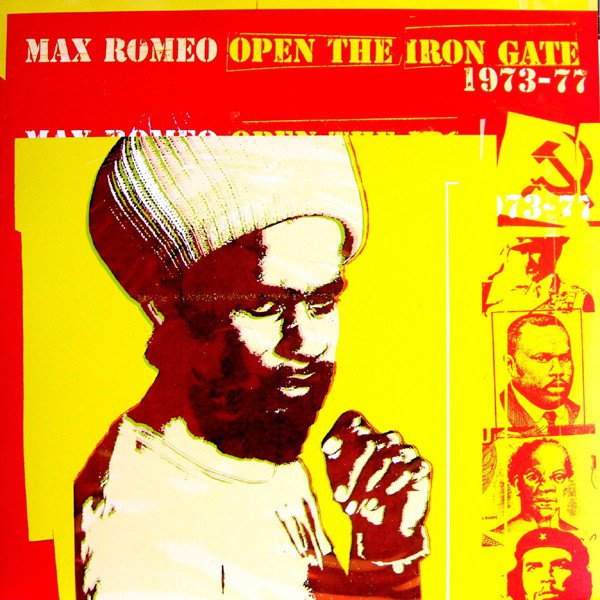
Open The Iron Gate 1973 - 77

Max Romeo
Open The Iron Gate 1973 - 77 cover

Early singles like “Wet Dream,” “Mini-Skirt Vision,” and “Wine Her Goosie” positioned the St. Ann-born Max Romeo as the most laddish of Jamaican singers. But in the early ‘70s, he put away Playboy and checked out Marcus Garvey and Karl Marx instead. Blood & Fire captures that revolutionary shift with Open The Iron Gate 1973-1977, coupling his 1975 album Revelation Time with other relevant singles like “Valley of Jehosaphat” and “Melt Away.” Romeo has harsh words for the police and their cruelty, but even harsher ones for bourgeois society, with visions of heads rolling down from hillside homes. The set proves that Romeo’s iconic Scratch-produced follow-up, War ina Babylon, was no one-off.

Lamb's Bread International

Welton Irie, Sylford Walker
Lamb's Bread International cover

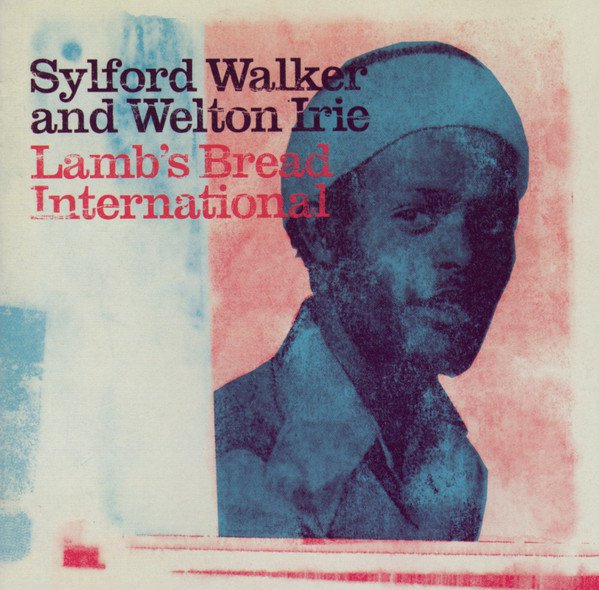
In some ways a companion set to Termination Dub, Blood & Fire’s compilation of Glen Brown productions with Tubbys, Lambs Bread International offers a tantalizing glimpse of the many iterations a riddim can take, from vocal to dub to deejay version. These Glen Brown productions were originally provided for an obscure vocalist, Sylford Walker. Those sides didn’t hit in the ‘70s, nor did a compilation of them as Lambs Bread sell in 1988. But Welton Irie began to toast atop these same riddims on a crackling set entitled Ghettoman Corner. Presented as a showcase (as both vocal and toast are coupled together), Lambs Bread International is one of the critical reissues from the label. It might not boast the biggest names in reggae, but it proves just how the attuned ears of Blood & Fire could find buried treasures such as this and present them to a new generation of listeners.

Dub in the Roots Tradition

Scientist
Dub in the Roots Tradition cover

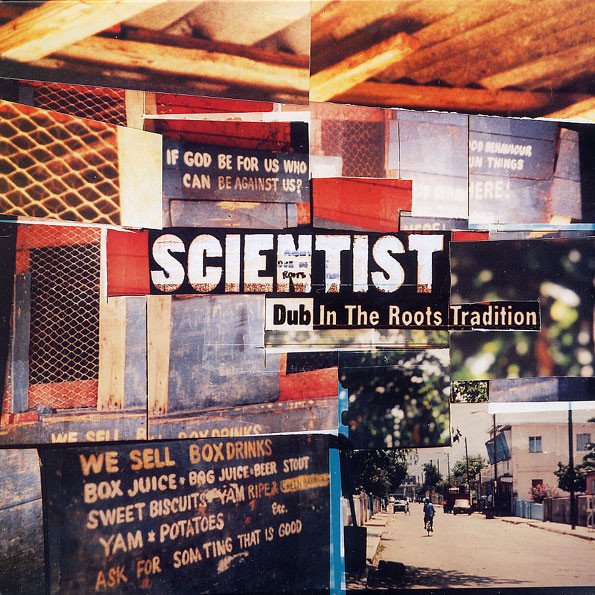
Before he won the World Cup, met the Space Invaders or rid the world of the evil curse of the vampires, Hopeton “Scientist” Brown was a diligent student under the tutelage of King Tubby. Purportedly made when Brown was just 16, this dub set draws on riddims laid down by two of the most prolific house bands of the era: Soul Syndicate and Roots Radics. Scientist’s reverb and delay takes every bass note and snare hit and makes them ductile, stretched into disorienting new shapes.

Dub Me

King Tubby, Morwell Unlimited
Dub Me cover

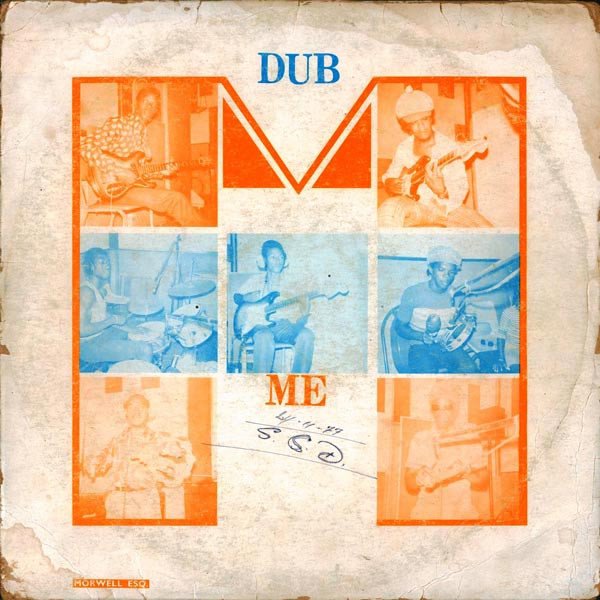
The vocal duo the Morwells and their debut album Presenting the Morwells served as the raw material for this 1975 set mixed by King Tubby. For this B&F reissue, the label pairs the original ten tracks with an additional four dubs not on the original (naturally, rare) set. And as was his wont, Tubby tosses a curveball, with the guitar highly placed in these dubs. There’s the watery strums rippling across “John Bull” and notes that swoop in like a swallow on “Morwell’s Star.” Elsewhere, Tubby elicits sounds that might make you envision rockslides, sandstorms, or distant thunderstorms.

Heart of the Congos

The Congos
Heart of the Congos cover

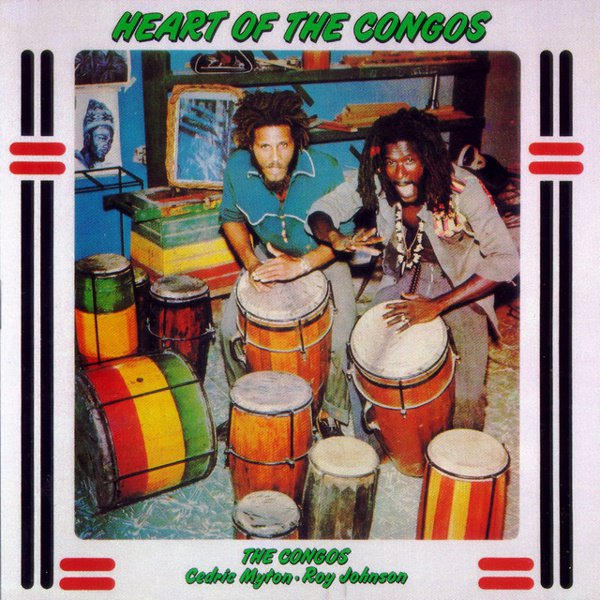
Not only on the shortlist for greatest reggae album but also greatest albums of all-time, few records can touch the beauty, profundity, and wisdom of Heart of the Congos. The Congos were a vocal group that paired Cedric Myton’s falsetto lead and Roy “Ashanti” Johnson’s tenor with Watty Burnett’s rumbling baritone to sublime effect, evoking the American vocal groups of ages past and the divine harmonies of Jamaican music. When they teamed up with Lee “Scratch” Perry, the result was a set of songs that were so devotional and heavy so as to feel like they were chiseled into stone tablets. 

Perry’s full array of FX were on display here (special shout-out to his zombie cow moos) and with some backing vocals by members of the Meditations and the Heptones, the results were undeniable. But rather than catapult the group to international success, Chris Blackwell inexplicably passed on releasing the album on his Island Records imprint and for many years the album sat in obscurity. Thanks to Blood & Fire and their efforts, Heart finally received a proper release (note the cover art which situates the original album cover in a tableau befitting a religious altar) and rose to its rightful place as one of the defining albums of Jamaican music.

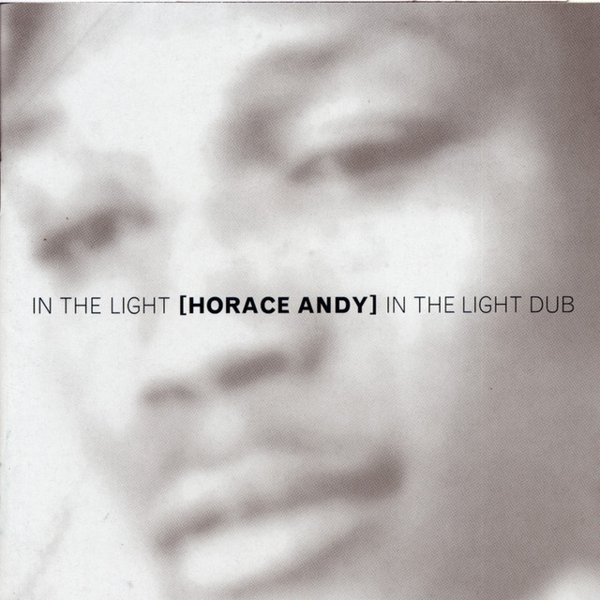
In the Light / In the Light Dub

Horace Andy
In the Light / In the Light Dub cover

Horace Andy’s legacy as a Jamaican icon was already cemented from his classic early singles like “Skylarking” and “Mr. Bassie,” cut for Studio One. But after years of recording with Sir Coxsone, he and his wife decamped for Hartford, Connecticut, where in 1977 he cut one of his greatest albums, In the Light. The ten songs reveal Andy’s trenchant songwriting, touching on topics like police harassment, wealth inequality, faith, and good collie weed. In the Light is an uncanny blend of Rastafarianism in a cold, urban setting, ranging from celebratory to paranoid, defiant to sweet, all of it delivered by Andy’s high tenor that Barrow once described as “capable of a sultry croon or a stentorian wail.”

This B&F reissue pairs it with a staggering dub set from Tubby’s finest pupil, Prince Jammy. In the Light Dub was one of the earliest dub sets in what would be Jammy’s storied career and it showcases Jammy pulling all sorts of death-defying audio feats: wide-panning drums, making background hand percussion explode like cluster bombs, and conjuring bass tones taller than a thunderhead. In reducing Andy’s lyrics to just a few echoing choice phrases, they punctuate these exhilarating dubs.

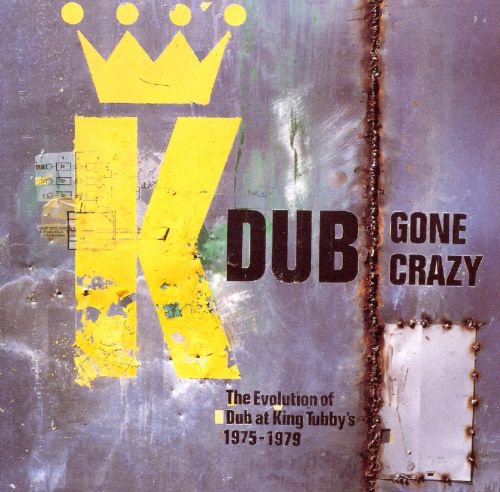
Dub Gone Crazy: The Evolution of Dub at King Tubby’s 1975-1977

King Tubby
Dub Gone Crazy: The Evolution of Dub at King Tubby’s 1975-1977 cover

With its welded metallic cover visual, this compilation of early King Tubby dubs has the look and feel of a bomb about to detonate. Its fourteen compiled tracks (featuring dubs made by King Tubby himself or working closely with fellow producers like Prince Jammy, Philip Smart, Scientist and Pat Kelly) couldn’t be more straightforward and effective. Every dub clocks in between 3-4 minutes, with crisp drum and bass work driving each tune, all while Tubby finds chasms between each drum hit to let the sounds bounce around. And like a deep ocean video of a coral reef, each crack teems with life and vibrant wonders. A crucial dub set that captures Tubbys’ never flashy brilliance.